

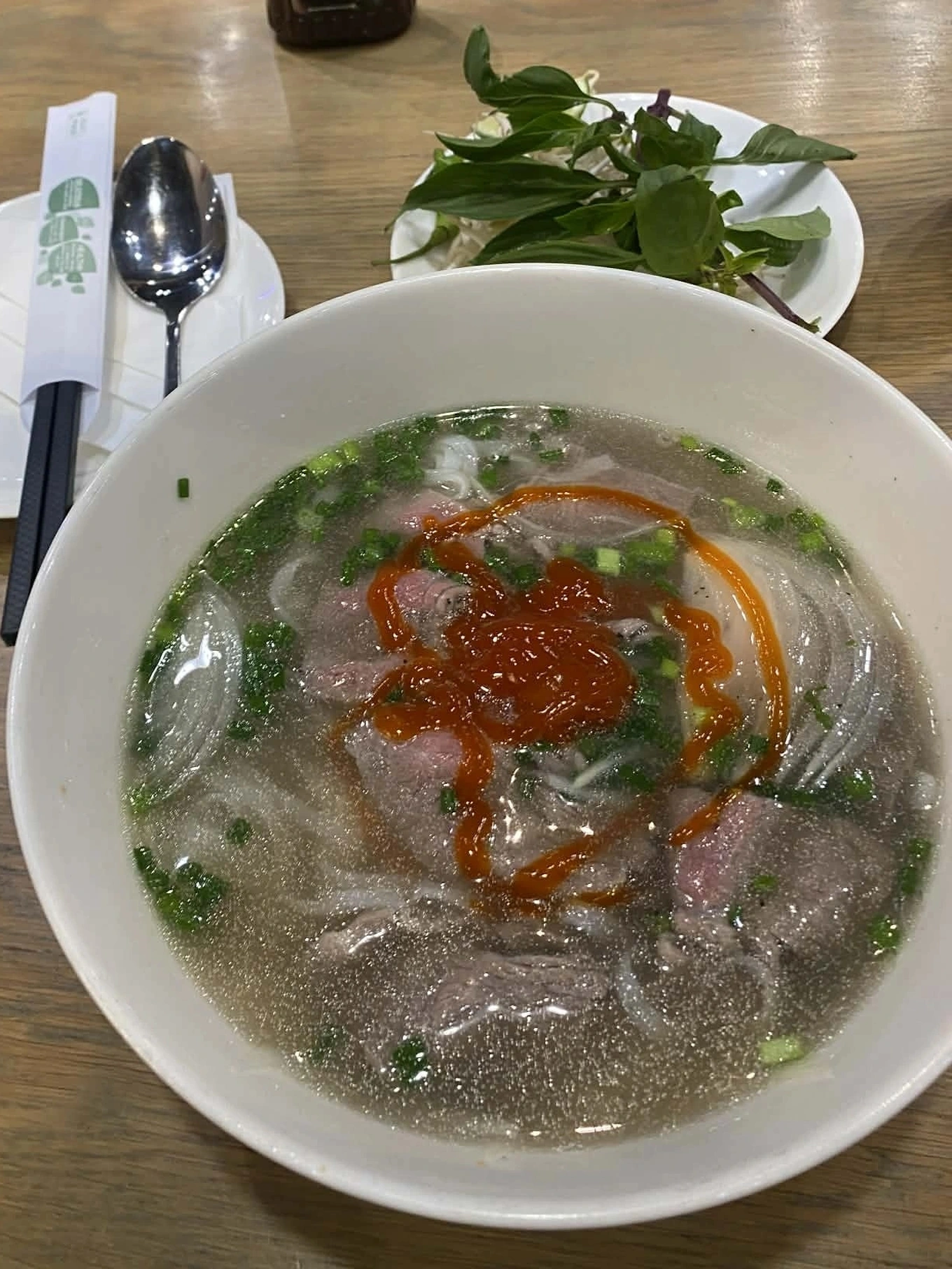
A single bowl of pho priced at VND 346,000, about USD 14, at Cam Ranh International Airport has triggered a wider debate in Vietnam. The discussion is not only about airport markups. It now centers on pricing transparency, currency rules, and how Vietnam presents itself to international travelers.
For business leaders, investors, expats, and frequent flyers, this incident highlights a familiar issue in fast growing markets. Local regulations may allow certain practices, but global travelers expect clear communication and predictable service standards.
Here is what happened and why it matters beyond one bowl of noodle soup.
What Happened
On February 23, a Vietnamese passenger flying from Hanoi to Busan via Cam Ranh stopped for a late night meal at the airport’s international departure terminal. He ordered what he believed was a standard beef pho.
After finishing his meal, he was told the price was VND 346,000.
The restaurant later clarified that the dish was Wagyu beef pho made with premium Japanese beef. Management stated that the price was clearly listed in USD on the menu. Authorities confirmed that the restaurant had posted prices in accordance with regulations for international departure areas.

However, the customer disputes that he ordered Wagyu or received any explanation about premium beef. He also stated that he did not receive a receipt and was told the restaurant accepted cash only.
Local authorities are reviewing the case.
Why Was the Price Listed in USD
This is where the story becomes more relevant to international readers.
Under current Vietnamese regulations, non aviation services inside international departure zones may list prices in USD. Payment must still comply with Vietnam’s foreign exchange laws, meaning customers ultimately pay in Vietnamese dong at the applicable exchange rate.
Many Vietnamese readers argue that menus inside Vietnam should prioritize the national currency and language first.
For international travelers, the more practical questions are different.
Is pricing clearly communicated
Are premium ingredients explained before ordering
Are customers informed of total cost
Is payment flexible and transparent
These are basic expectations at major global hubs such as Incheon International Airport or Singapore Changi Airport where prices are high but disclosure is clear.
Price Versus Perception
VND 346,000 equals roughly USD 14, about KRW 19,000, or SGD 19.
By international airport standards, this is not extraordinary, especially if the dish truly contained imported Wagyu beef.
However, domestic pho in Vietnam typically costs VND 40,000 to 80,000. The gap feels significant to local consumers.
If customers believe they ordered standard beef but were charged for Wagyu, the issue shifts from price level to transparency.
Why This Matters for Vietnam’s Tourism Image
Pho is more than food. It is a national symbol.
When pricing disputes circulate online, they affect traveler perception, social media narratives, and destination branding. Airports are often the last experience visitors have before leaving the country.
Vietnam’s aviation and tourism sectors have expanded rapidly in recent years. For investors watching consumer services and airport concessions, this case raises broader questions.
Are airport vendors properly supervised
Is pricing transparency aligned with global norms
Are consumer protection standards consistently enforced
The answers matter for long term brand credibility.
Two Competing Narratives
One view is that the restaurant followed the rules. The price was listed in USD. Authorities confirmed compliance. Wagyu justifies premium pricing. The customer did not review the menu carefully.
The opposing view is that transparency was insufficient. There was no receipt. There was no clear explanation of Wagyu. Cash only payment raises concerns. Menu design may not prioritize Vietnamese consumers.
Both narratives are widely discussed across Vietnamese social media.
The Takeaway for International Travelers
Airport pricing in Vietnam can be significantly higher than city prices. Travelers should review menus carefully, confirm premium ingredients, request receipts, and clarify payment methods in advance.
For investors and operators, the lesson is straightforward. In premium environments, clarity protects brand value.
One bowl of pho has become a national conversation.
For Vietnam’s tourism industry and for global observers, the real issue is not the cost of noodles. It is the cost of perception.
Related
Discover more from Vietnam Insider
Subscribe to get the latest posts sent to your email.