

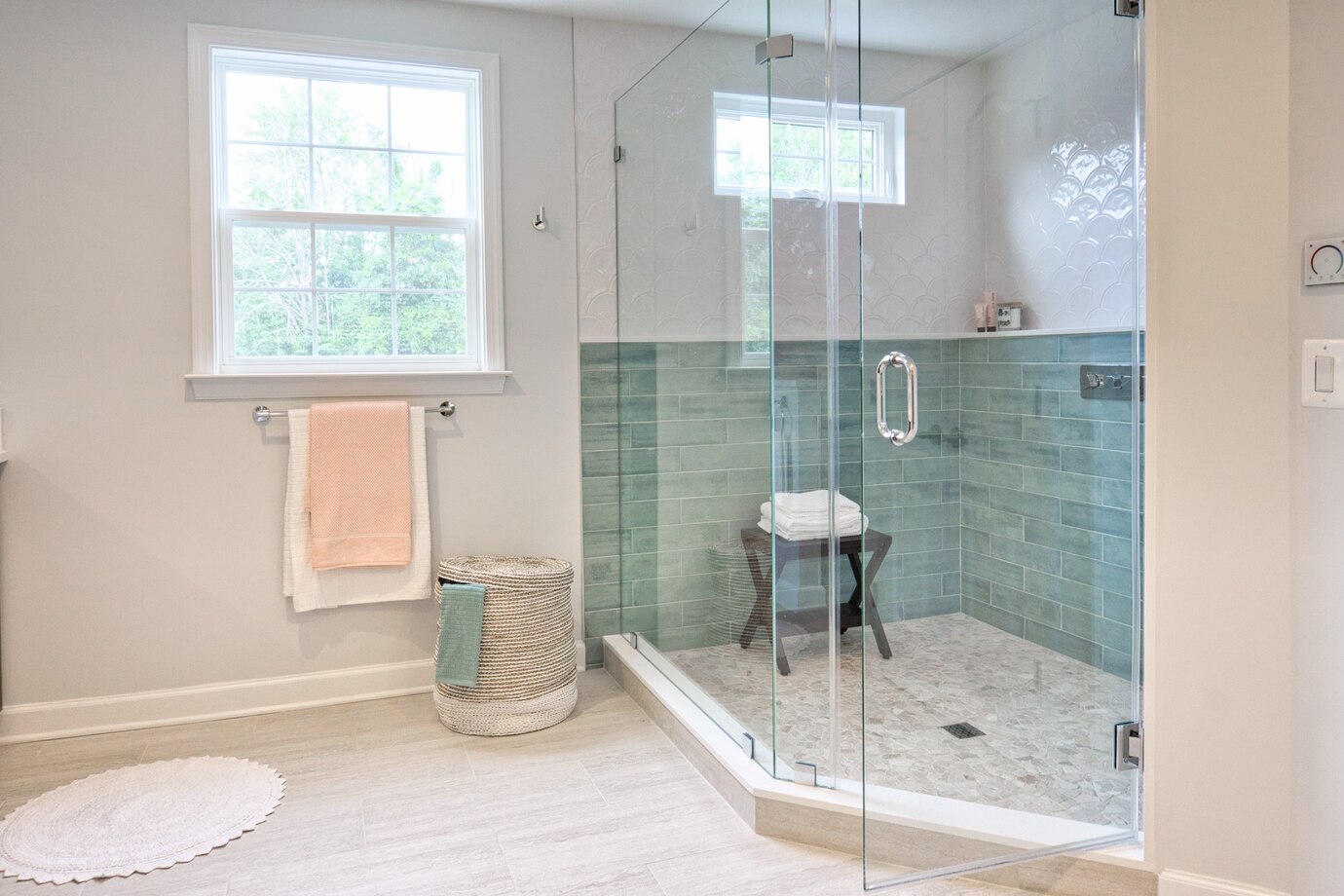
One can Shower panels incorporated into contemporary bathroom designs have been a smooth transition, bringing a new era of improved bathing experiences. With their sleek and practical design, these modern fixtures transcend your bathroom’s appearance and give it a spa-like atmosphere.
It may be challenging to go through the many alternatives and select the ideal shower wall panel. Therefore, it becomes necessary to exercise caution while surrounded by abundant options.
The subtleties of choosing shower panels are examined in this article, which throws light on critical factors, including careful installation and design choice.
Come along as we break down the essential elements to guarantee that your search for the perfect shower panel is well-informed.
Understanding Your Needs
Shower panel or wall boards and shower surrounds are large panels used to cover all the wall areas enclosing your shower. They are a functional and decorative feature that protects the interior, is easy to maintain, and contributes to the appeasing of your bathroom. In contrast to tile installation, panels on shower walls have seamless surfaces without many grout lines. This is beneficial because mold and mildew usually build up in grout lines and take a long time to overcome.
Design and Taste

Shower wall panels come in different designs, some of which are mentioned below: –
Smooth Finish
Smooth panels furnish bathrooms with a minimalist design and a spotless, modern appearance. They give a smooth, cleaned-up look that makes small bathrooms appear to be bigger.
Textured Finish
Due to the textured panels, your shower walls will be more outwardly intriguing and have depth. They are accessible in various designs, including block, stone, and subway tile surfaces, so you can design a customized, tasteful aesthetic.
Glossy Finish
Your bathroom will appear to be lighter and bigger thanks to glossy boards that reflect light and produce a splendid appearance. They are ideally suited for busy homes since they are easy to maintain and clean.
Materials
Various materials are available for shower wall panels, some of which are listed below: –
- Acrylic
Acrylic panels are strong, lightweight, and simple to install. Since acrylic panels don’t scuff or become dirty easily, they are perfect for bathrooms with lots of usage.
- Polyvinyl Chloride, or PVC
PVC panels are low-cost, watertight, and need little upkeep. You can get the shower you want with them because they come in a variety of finishes, including glossy, matte, etc.
Furthermore, PVC panels are resistant to mold and mildew and are appropriate for humid areas.
- Composite
Acrylic, fiberglass, and aluminum are just a few of the elements that are combined to make composite panels that are strong and adaptable. Larger shower rooms can benefit from their exceptional strength and stability.
Composite panels have the ability to imitate the appearance of real stone or tile, offering a posh finish without the trouble of grout cleaning.
- Marble chips
Crushed marble and resin are used to create the opulent and refined look of cultured marble panels. They are impervious to stains and scratches, very durable, and non-porous.
You can alter the look of your shower by choosing from a variety of colored and patterned cultured marble panels.
Foundation
The longevity of your shower wall panels relies upon appropriate establishment. Certain panels are not difficult to establish yourself, while additional confounded establishments might require professional assistance. The following are some important things to remember while setting up shower wall panels: –
- Setting up the Substance
Prior to setting up panels, ensure the walls are dry, clean, and liberated from dampness. To develop a durable base, utilize legitimate waterproofing materials, such as concrete board or dampness-safe drywall.
- Utilization of Glue
solidly attach the panels to the substrate, utilize the paste or sealant that is advised. To establish a watertight seal, adhere to the manufacturer’s application and curing time guidelines.
- Shutting Edges
In order to prevent water from leaking, close consideration should be given to caulking the board edges and creases. For ideal waterproofing in clammy regions, use silicone caulking.
Maintenance

Shower wall panel maintenance is necessary to maintain both their aesthetic and functional integrity. Grime and soap scum accumulation may be avoided with routine cleaning using a soft cloth and mild soap solution.
Water stains and mineral buildup are reduced by using a towel or squeegee after showers. In order to lower humidity and stop the formation of mold and mildew, bathrooms should have enough ventilation.
The surface of the panel can be gently restored for minor damage by rubbing it with fine-grit sandpaper or polishing compound. Getting expert help when there is severe damage guarantees proper upkeep and repair, extending the life of your shower wall panels.
Bottomline
Choosing the ideal shower wall panel requires cautiously gauging your requests, tastes, and the attributes that the market offers.
Whether you pick a digital wall panel or a textured shower wall panel for a spa-like experience, this article will help you settle on an informed decision.
By finding out about the many kinds of shower wall panels, fundamental elements to consider, and the latest innovation breakthrough, you can make your everyday shower routine a remarkable and customized experience.
Discover more from Vietnam Insider
Subscribe to get the latest posts sent to your email.