

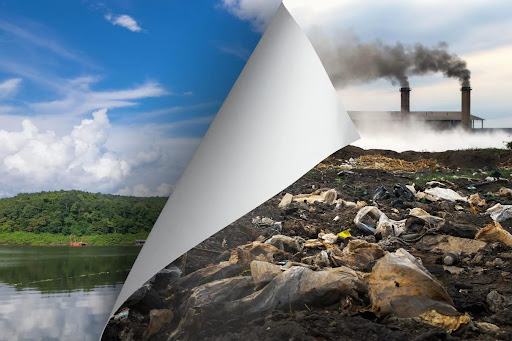
How Modern Lifestyles Contribute To Ecological Imbalance
The ecological crisis that results from today’s lifestyles is mostly caused by excessive resource use, waste creation, pollution, and habitat degradation, among other things. Anyway, you don’t need to worry that much since there are ways to deal with such waste, like skip hires, which you can use to deal with the waste back at home, picking a 2 Cubic yard skip will be a great pick since the best place to make a change would be at home first. There are a few crucial elements:
Ecological Imbalance: Deforestation and Destroying Habitats
One of the most alarming human activities affecting the environment is deforestation or the continuous removal of forests. We destroy many plant and animal species to disturb delicate ecosystems when we clear land for agriculture, structures, and human habitations. The effects of deforestation are extensive. One of the most urgent problems is biodiversity loss as it causes many species to become extinct by destroying their native environments. Furthermore, the loss of forests greatly increases greenhouse gas emissions, which exacerbates climate change. Forests are essential for sequestering carbon.
Greenhouse Gas Emissions Contributing To Ecological Imbalance
To a significant extent, they can be attributed to our never-ending demand for natural resources and natural gas, coal, and even oil. However, a gross amount of greenhouse gases (GHGs) is emitted to the atmosphere and the environment in the process of burning these non-renewable fuels. Global warming is caused by these GHGs, which spread around the world like a layer or a sheet & cause heat retention. Rising sea levels, an increase in the frequency of severe storms, and damage to ecosystems & agriculture have produced clear results.
Air pollution and Industrialization Promoting Ecological Imbalance
Undoubtedly, the swift ascent of industrialization has propelled technical progress and financial stability. But it has also resulted in air pollution, a serious environmental problem. Industrial processes, such as sulphur dioxide, nitrogen oxides, particulate matter, and volatile organic compounds release numerous dangerous pollutants. These pollutants not only degrade the overall quality of the air, but they also aid in the development of acid rain & smog.
Soil degradation and agricultural practices
Certainly, with the help of contemporary methods of farming, we can feed people all over the world showing a constant increase in its population however, it negatively influences the most important element of our life – the soil. Soil degradation is a cumulative effect of practices of intense farming, like overgrazing, farming, and the use of fertilizers and pesticides. This results in soil erosion; a ripple consequence of un-sustainability in the use of fertilizers. Thus, the value of the soil decreases and agricultural production is reduced along with the general environmental situation.
Water Contamination and Pollution
A terrible byproduct of human activity, water pollution seriously endangers both human health and the marine ecosystems of our world. Our water bodies are contaminated by a variety of causes, including inappropriate garbage disposal, agricultural runoff, and industrial emissions. Aquatic life is severely harmed when contaminants enter rivers, lakes, and seas. There are negative effects on fish and other aquatic animals, and whole ecosystems may collapse. Furthermore, those who use polluted water for bathing, cooking, and drinking face serious risks to their health.
Depletion of Marine Ecosystems and Overfishing
The delicate equilibrium of marine ecosystems & marine biodiversity is seriously threatened by overfishing, which is fueled by a growing need for seafood. Several aquatic populations are in danger of going extinct due to overfishing, which is a result of industrialized & increasingly effective fishing methods. The effects of overfishing go transcend the individual fish species. Disruptions to marine food chains impact the entire ecosystem by creating mismatches in predator-prey interactions. In addition, a lot of non-target species—also referred to as bycatch—are mistakenly captured and discarded.
Generation and Management of Waste
Because of this new trend where people are just consuming and wasting, the production of garbage has rapidly grown to be one major threat to our environment. Harmful and toxic wastes – when disposed of improperly, particularly tech wastes and plastics – are major threats to the environment. Greenhouse gases are emitted from waste that ends up in landfills worsening climate change. That is why poorly disposed garbage can harm the soil and water, which leads to pollution and affects both the bio-diversity as well as the overall health.
Final Words
It will need coordinated efforts at the individual, group, and state levels to encourage environmental sustainability and care for the environment to tackle the environmental unbalance brought on by modern ways of life.
Discover more from Vietnam Insider
Subscribe to get the latest posts sent to your email.