

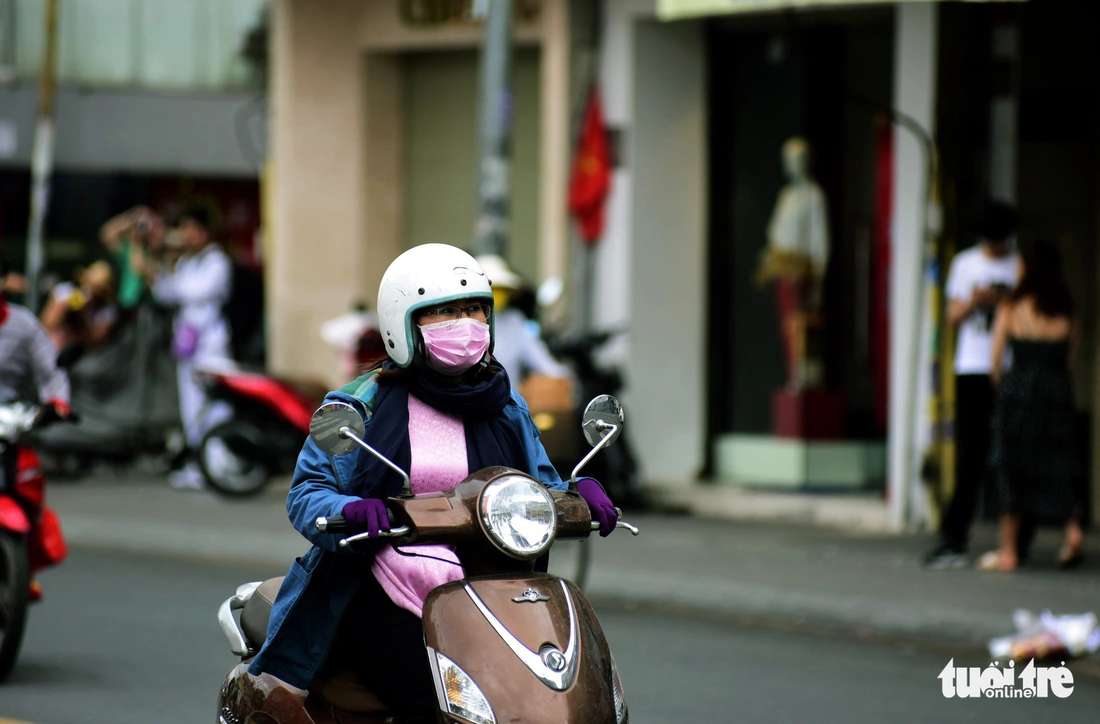
An intense cold wave is gripping northern and central Vietnam, pushing temperatures below 10°C across 17 provinces and cities and disrupting daily life in a region better known internationally for tropical heat.
According to Vietnam’s National Center for Hydro Meteorological Forecasting, the cold snap entered its fourth day with all northern provinces, along with Thanh Hoa and Nghe An, recording sub 10°C conditions. The lowest temperature, just 3°C, was measured in Dinh Lap District of Lang Son Province.
Where it is coldest
Mountainous and high altitude areas are bearing the brunt. Temperatures of 4 to 5°C were recorded in popular destinations such as Sa Pa, along with Pha Din Pass in Dien Bien, Moc Chau in Son La, Tam Dao near Hanoi, and Mau Son in Lang Son.
Across the wider northern region, overnight lows ranged from 6 to 8°C. In Hanoi, temperatures varied by location. Ba Vi fell to 8°C, while inner city monitoring stations recorded around 10°C. Clear daytime skies brought sunshine, but the gap between day and night temperatures exceeded 10°C in many areas.
Cold spreads south
The chill extended into north central Vietnam, where temperatures dropped a further 1 to 2°C compared with the previous day. Parts of Thanh Hoa saw lows of 8°C, while areas of Nghe An fell to 9°C. Further south, Ha Tinh, Quang Tri, and Hue recorded temperatures between 12 and 13°C.
In the Central Highlands, Da Lat dropped to 10°C. Even southern Vietnam felt a cooler than usual morning, with lows of around 20°C reported in parts of Binh Duong and 22°C in southern districts of Ho Chi Minh City.
What comes next
Forecasts from AccuWeather suggest Hanoi will gradually warm from 11 to 22°C today to around 13 to 24°C by the weekend. High altitude locations such as Sa Pa are expected to rise from 3 to 9°C to about 5 to 12°C in the coming days.
Meteorological authorities warn that the cold spell will persist and could pose health risks, particularly for the elderly and children. Frost and icy conditions in mountainous areas may damage crops, weaken livestock, and increase the risk of disease.
For international readers, the cold wave is a reminder that Vietnam’s climate can be surprisingly extreme. In winter, northern regions can feel closer to East Asia’s temperate zones than Southeast Asia’s tropical image, an important consideration for travelers, investors, and businesses operating across the country.
Discover more from Vietnam Insider
Subscribe to get the latest posts sent to your email.