

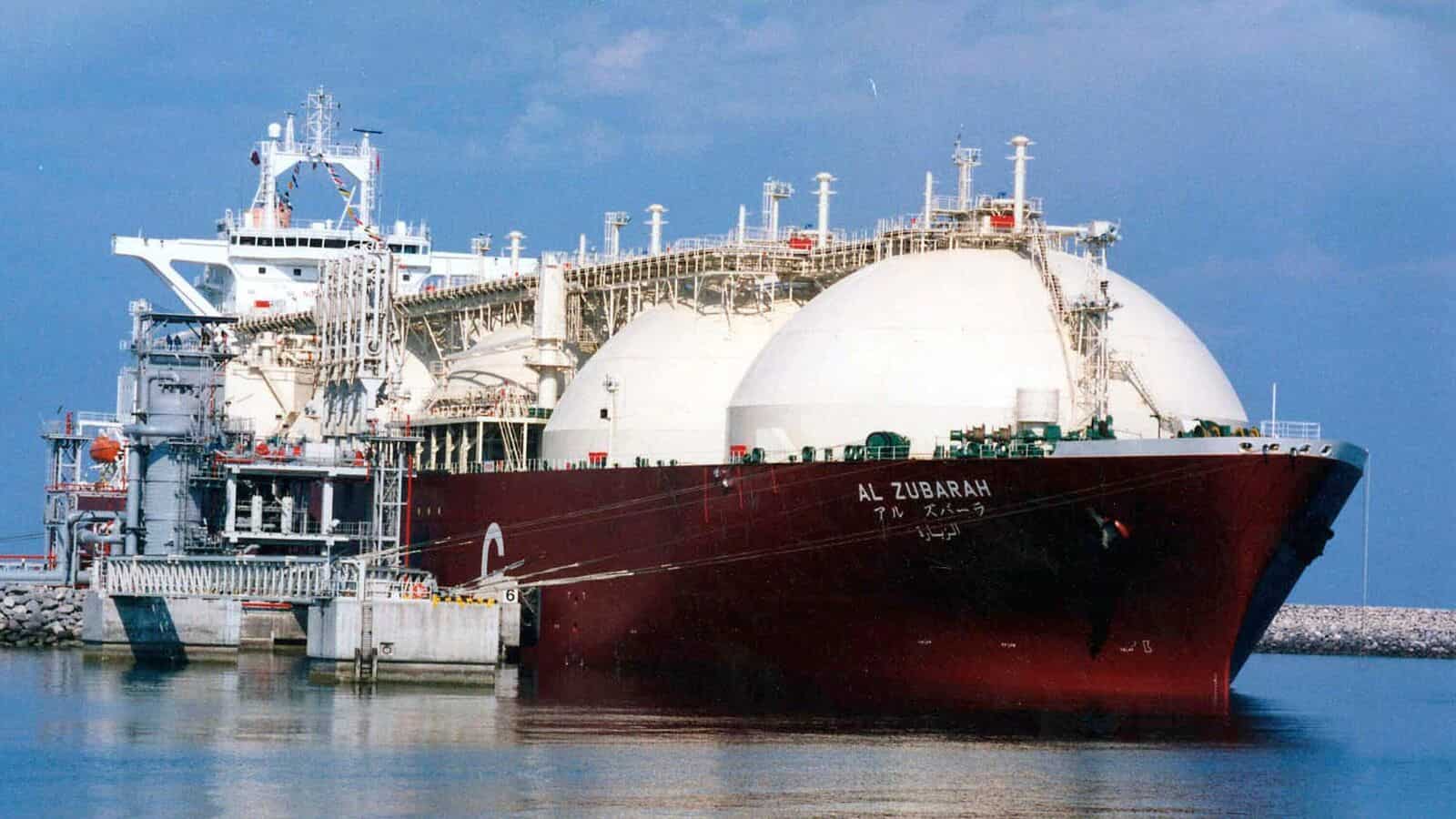
Over 40,000 tons sourced from the U.S. and Australia to stabilize energy markets amid global volatility
Vietnam has moved swiftly to secure alternative energy supplies as geopolitical tensions disrupt global fuel flows, importing more than 40,000 tons of liquefied petroleum gas (LPG) from new sources to stabilize its domestic market.
According to PV GAS, nearly 38,000 tons of LPG arrived from Australia at Thi Vai port on March 20, following an earlier shipment of around 5,000 tons from the United States. The emergency imports are designed to offset supply disruptions from the Middle East, which typically accounts for about 70% of Vietnam’s LPG imports.
The supply shock stems from escalating instability in the Middle East and shipping risks through the Strait of Hormuz, a critical chokepoint for global energy trade. At the same time, rising demand from major consumers such as China and India, which are actively stockpiling fuel, has tightened supply across Asia. LPG premiums in the region have surged to record levels—reportedly 10 to 15 times higher than pre-conflict levels—intensifying cost pressures.
In response, PV GAS and its trading arm have activated contingency measures, including ramping up domestic production, optimizing gas processing operations, and reallocating inventory to ensure uninterrupted supply. The company is also diversifying import sources beyond the Middle East, tapping markets across Asia-Pacific and North America while expanding alternative energy solutions such as pipeline gas and compressed natural gas (CNG) for industrial users.
Looking ahead, PV GAS plans to import an additional 48,000 tons of LPG from the United States in April, alongside smaller spot shipments to meet ongoing demand. The company says supply has been largely secured through April and is expected to cover most of May’s requirements, reducing the risk of domestic shortages.
For global energy markets, Vietnam’s rapid pivot highlights a broader shift underway: countries heavily dependent on Middle Eastern supply chains are accelerating diversification strategies amid rising geopolitical risk. The key question is whether this temporary adjustment becomes a long-term structural realignment—reshaping energy trade flows across Asia in the years ahead.
Discover more from Vietnam Insider
Subscribe to get the latest posts sent to your email.