

US TV feature draws millions, triggering surge in Vietnam adventure tourism demand
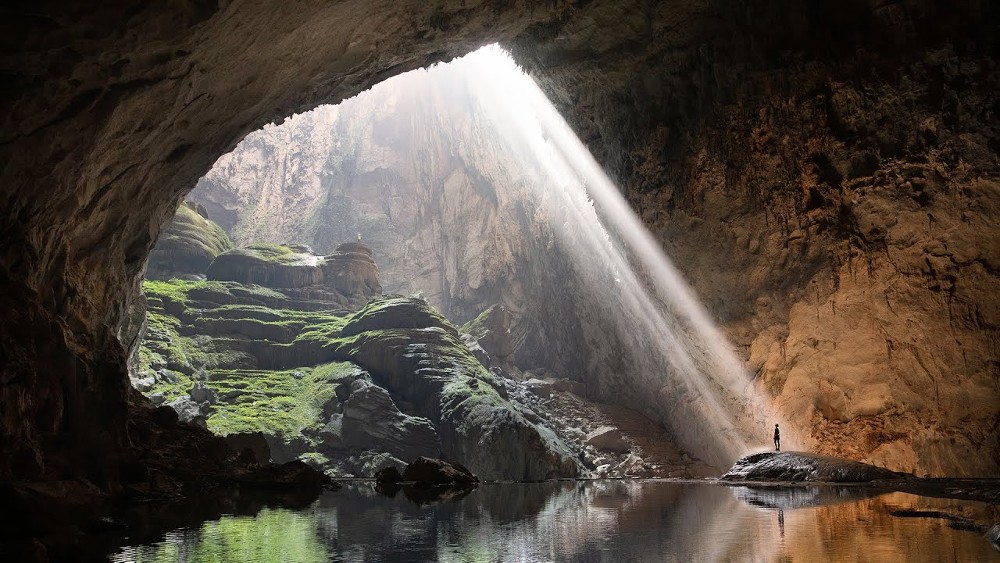
A single 12-minute feature on 60 Minutes has reignited global fascination with Vietnam’s Son Doong Cave, underscoring how international media can rapidly translate into real economic impact. Within 24 hours of airing, the broadcast drew millions of viewers and triggered a 20-fold spike in traffic to the cave’s tour operator—highlighting Vietnam’s growing leverage in high-value, experience-driven tourism.
The report, aired by CBS, introduced Son Doong as a “hidden world” large enough to house skyscrapers, with ancient stalactites and underground rivers formed over millions of years. For global audiences, it reframed Vietnam not just as a cultural destination, but as a frontier for extreme exploration—an increasingly valuable niche in the global tourism economy.
The immediate impact was measurable. According to Oxalis Adventure, the exclusive operator of Son Doong expeditions, the program generated roughly 8 million views on CBS’s platform and up to 18 million views across social media clips. The company expects total engagement to surpass 100 million within a month. More importantly, the exposure converted into intent: website traffic surged 20 times, signaling strong booking demand from international travelers.
Yet the data also reveals a strategic gap. Despite its global media presence, Son Doong remains underpenetrated in key markets such as the United States. “Only about one in ten Americans recognize the destination,” said Oxalis CEO Nguyen Chau A, pointing to significant headroom for Vietnam’s tourism branding. This suggests that sustained international storytelling—not one-off viral moments—will be critical to scaling awareness.
That storytelling is resource-intensive. The CBS crew spent four days filming inside the cave under strict safety and logistical controls, supported by British cave expert Howard Limbert and a 30-person technical team. The production reflects a broader trend: premium content about extreme destinations requires high investment but delivers outsized global reach.
The commercial upside is already evident. All expedition slots for 2026 and 2027 are fully booked, while early reservations for 2028 are accelerating—even before official sales open. Since opening to tourists in 2013, Son Doong has hosted just 8,552 visitors, generating $25.5 million in revenue. With 85% of visitors coming from overseas—primarily the U.S.—and ticket prices around $6,000, the cave exemplifies a high-margin, low-volume tourism model increasingly favored in sustainable travel strategies.
Vietnam’s approach is deliberate. By capping annual visitors at 1,000, Son Doong balances environmental preservation with exclusivity, positioning itself alongside global “bucket-list” destinations rather than mass tourism hubs. This scarcity-driven model aligns with a broader shift in Southeast Asia, where governments are prioritizing quality over quantity in tourism growth.
From National Geographic features in 2010 to Planet Earth III in 2023, Son Doong has steadily built global recognition. The latest CBS exposure suggests Vietnam is entering a new phase—where media amplification, premium pricing, and controlled supply converge into a scalable tourism strategy.
The question now is whether Vietnam can replicate this model beyond a single cave. If destinations like Phong Nha – Ke Bang National Park become part of a broader ecosystem of high-value experiences, the country could reposition itself not just as a tourist hotspot—but as Asia’s next leader in elite adventure travel.
Discover more from Vietnam Insider
Subscribe to get the latest posts sent to your email.