

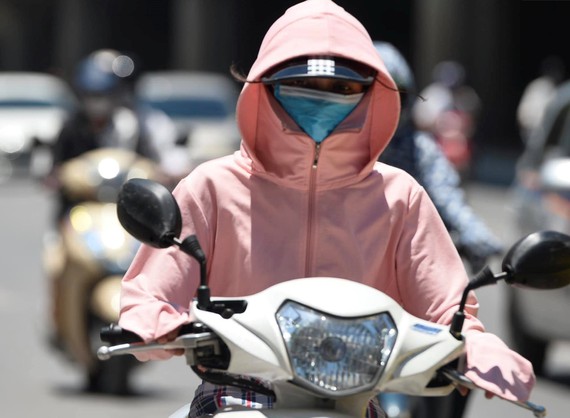
Prolonged high temperatures threaten energy demand, tourism flows, and urban safety across Southeast Asia’s rising economy
A widening heatwave across Vietnam is raising concerns beyond weather forecasts, with implications for energy consumption, urban safety, and regional economic activity. As temperatures climb above 38°C in parts of the country, the prolonged extreme heat is emerging as a stress test for one of Southeast Asia’s fastest-growing economies.
According to the Vietnam National Center for Hydro-Meteorological Forecasting, northern Vietnam will see scattered showers but largely sunny conditions in the coming days, while central provinces from Thanh Hoa to Quang Ngai and the southern economic hub in the southeast continue to face sustained heat. In some areas, temperatures are forecast to exceed 38°C, with real-feel conditions potentially 2–4°C higher due to urban surfaces such as asphalt and concrete.
The heatwave is expected to persist for several days, increasing pressure on Vietnam’s power grid as electricity demand surges—particularly from air conditioning use in major cities like Hanoi and Ho Chi Minh City. This comes at a time when Vietnam is positioning itself as a manufacturing alternative to China, making infrastructure resilience increasingly critical for foreign investors and multinational supply chains.
Beyond industrial implications, authorities are warning of heightened risks of fires and explosions due to dry conditions and elevated energy usage. In densely populated urban areas, where rapid development often outpaces safety infrastructure, these risks could translate into real economic and human costs.
Weather patterns across the country remain mixed. Northern regions, including Hanoi, are expected to experience mild temperatures ranging from 21–31°C with intermittent sunshine, while the Central Highlands and southern regions—including Ho Chi Minh City—face hotter conditions, with highs reaching 35–36°C. Thunderstorms may occur sporadically, bringing risks of lightning, hail, and strong winds, further complicating weather stability.
For international travelers, investors, and businesses, Vietnam’s heatwave underscores a broader regional trend: climate volatility is becoming a structural factor in Southeast Asia’s growth story. As extreme weather events intensify, the question is no longer whether economies like Vietnam can sustain rapid expansion—but how effectively they can adapt to an increasingly unpredictable climate reality.
Discover more from Vietnam Insider
Subscribe to get the latest posts sent to your email.