

Vietnam’s minimum wage can buy around 100 bowls of pho per month, but that comparison highlights a deeper issue: for many workers, covering basic living costs remains a daily struggle.
With a monthly minimum wage of just over VND5 million in Hanoi, the reality is that while food may be affordable, other essentials such as housing, healthcare, and education quickly stretch household budgets.
For international observers, the story reflects a broader transition in Vietnam’s economy, from low cost labor competitiveness toward higher income expectations.
The Limits of Wage Growth
Over the past decade, Vietnam has steadily increased minimum wages, broadly keeping pace with inflation.
However:
- Wage levels remain relatively low compared to living costs in major cities
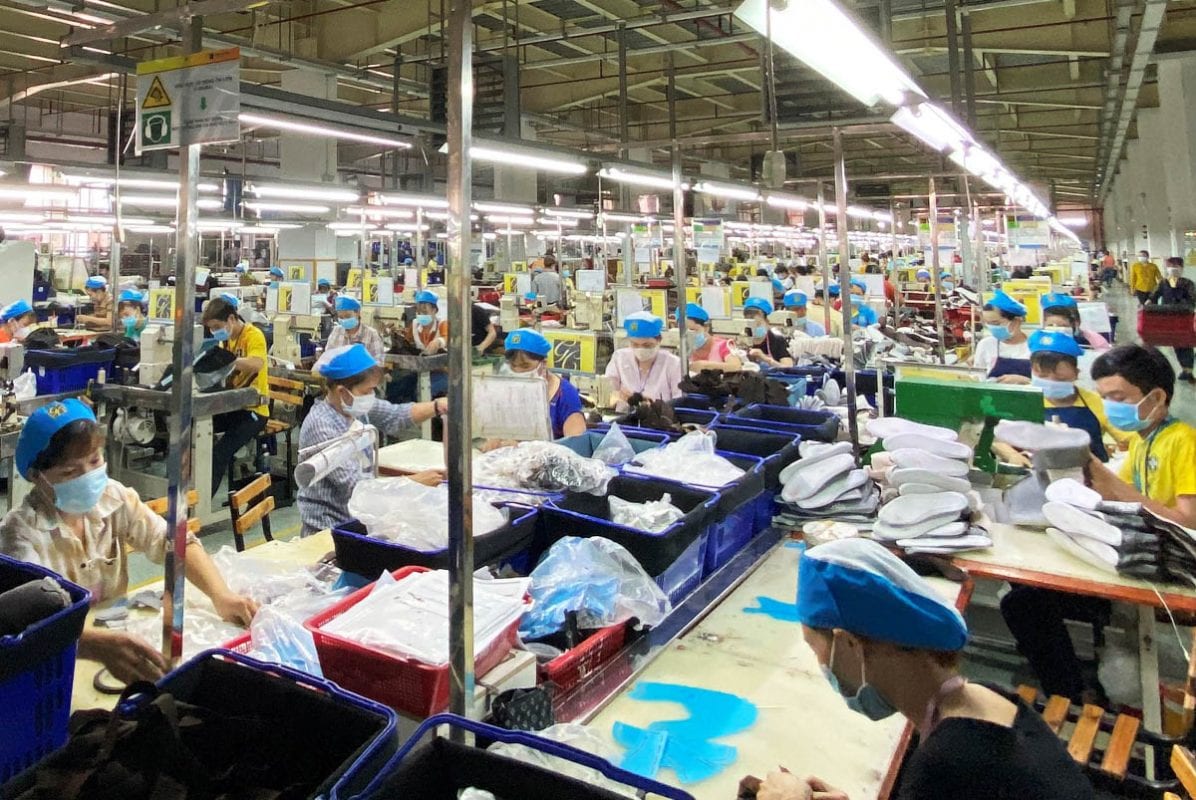
- Many workers in industrial zones still struggle to maintain a basic standard of living
- Rising urban costs are outpacing income growth in some areas
This creates a widening gap between minimum wage levels and actual living expenses.
From Minimum Wage to “Living Wage”
A key concept gaining traction is the idea of a living wage.
Unlike minimum wage, which is influenced by economic conditions and employer capacity, a living wage is defined as the income needed to ensure a decent standard of living, including:
- Food and nutrition
- Housing
- Healthcare
- Education
- Transportation
The goal is not to replace minimum wage, but to provide a benchmark for what workers actually need.
Policy Momentum Is Building
Vietnam has already taken initial steps toward addressing this gap.
- Plans to introduce an official minimum living standard by 2028
- Ongoing discussions among government, businesses, and labor representatives
- Efforts to improve data and wage setting mechanisms
These developments suggest a shift toward more evidence based and inclusive wage policies.
A Structural Challenge: Regional Inequality
One of the biggest obstacles is variation in living costs across the country.
- Rural areas: wages may keep pace with expenses
- Major cities like Hanoi and Ho Chi Minh City: costs rise much faster
This makes it difficult to apply a single wage standard that works nationwide.
Why This Matters for Vietnam’s Growth Model
Vietnam’s economic success has long relied on competitive labor costs. But that model is evolving.
To sustain long term growth:
- Productivity gains must translate into higher wages
- Worker welfare must improve alongside economic expansion
- Wage policies must balance competitiveness with living standards
What It Means for Businesses and Investors
For international companies operating in Vietnam:
- Labor cost advantages may gradually narrow
- Pressure for wage increases could intensify
- Better workforce conditions may improve productivity and retention
This signals a transition toward a more mature labor market.
Bottom Line
Measuring wages in “bowls of pho” may be a relatable benchmark, but it also reveals a critical gap.
Vietnam’s minimum wage provides a foundation, but the next phase of development will depend on how effectively the country bridges the distance between minimum income and a truly livable standard of living.
Discover more from Vietnam Insider
Subscribe to get the latest posts sent to your email.