

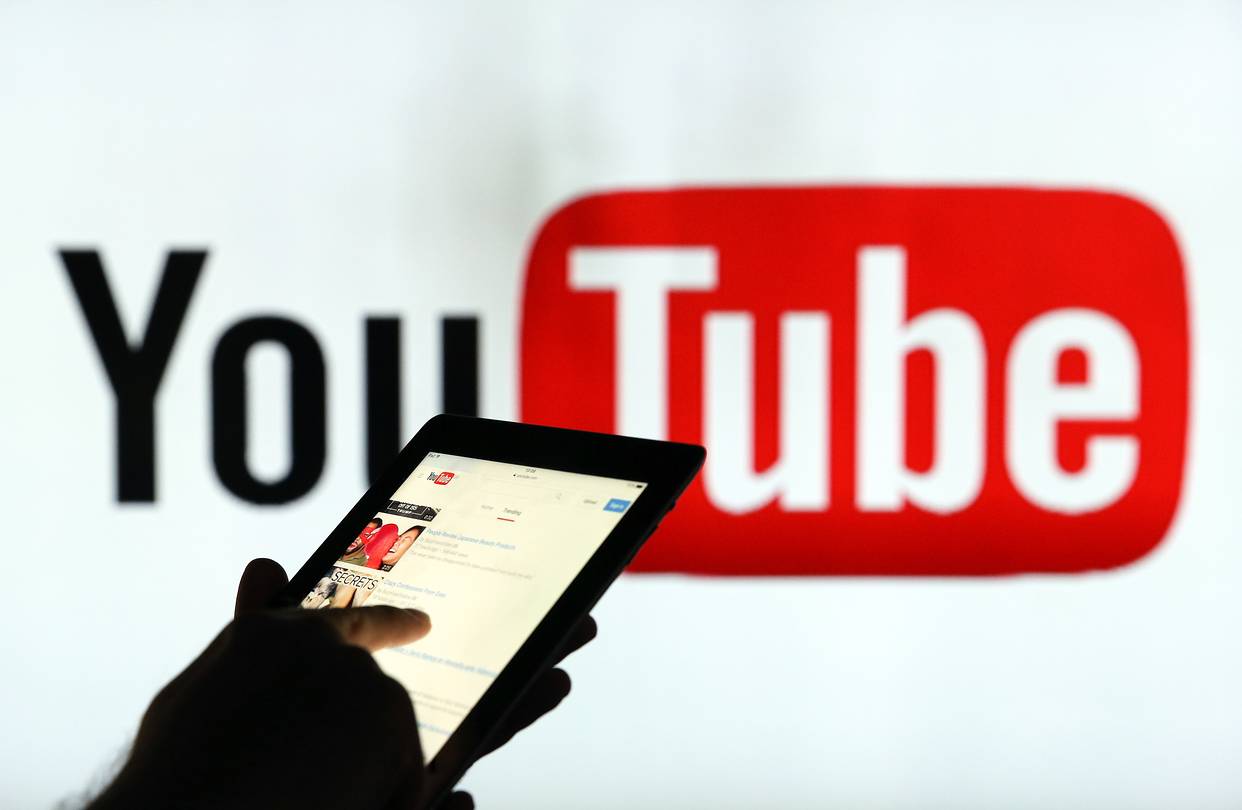
On August 15th, YouTube announced new policies aimed at combating misinformation related to healthcare on its platform, including inaccuracies in cancer treatment videos.
In its latest blog post, YouTube stated that it will simplify its current guidelines and categorize them into three sections: prevention, treatment, and denial. To achieve this, the platform will remove content that conflicts with guidance from healthcare professionals on topics such as Covid-19, reproductive health, cancer, harmful substances, and more.

YouTube announced a new policy to remove false medical information from the platform. (Photo: Reuters)
YouTube’s goal is to ensure that in areas of scientific consensus that have been thoroughly researched, the company doesn’t serve as a platform for distributing harmful information to the public, even though specific medical guidance might evolve over time.
Previously, YouTube struggled with content moderation due to user-generated uploads. A former YouTube content moderator sued the company in 2020, alleging that many employees had less than a year of experience and were understaffed. This led to the platform rushing to remove policy-violating content.
YouTube will determine the suitability of its new healthcare policies by evaluating whether the content poses a high risk to public health or is likely to become a target for misinformation. The company cites the example of cancer, as people often seek advice from platforms like YouTube after being diagnosed. This implies that content that promotes unproven treatments or methods will be removed, such as videos suggesting using vitamin C as a substitute for radiation therapy.
However, content of public interest may still exist even if it violates the new policies. For instance, if a political candidate debates official healthcare guidance or a legal proceeding contains inaccurate information, YouTube won’t delete the content. Instead, the company will add context to the videos to provide viewers with a better understanding.
Prior to implementing the new healthcare policies, YouTube had already taken actions against vaccine misinformation, such as removing ads from videos promoting vaccine conspiracy theories, deleting videos with false information about the Covid-19 vaccine since October 2020, and banning vaccine misinformation by late 2021. The platform also combats seemingly harmful content, such as videos providing misleading abortion instructions or promoting unsafe abortion practices.
@Vietnamnet
Discover more from Vietnam Insider
Subscribe to get the latest posts sent to your email.