

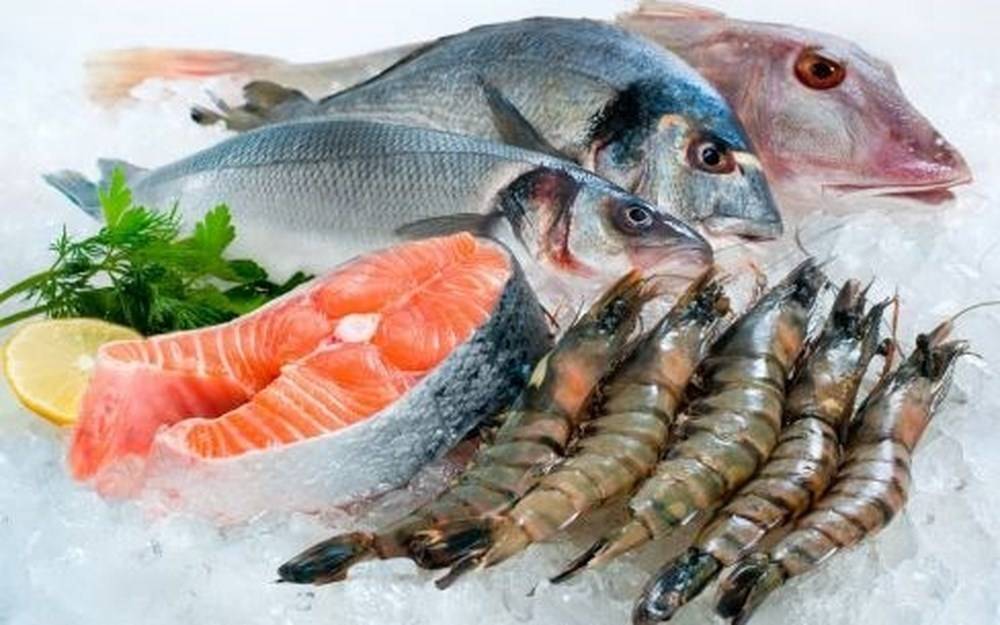
Seafood processing businesses in Bà Rịa-Vũng Tàu Province are facing a severe shortage of raw materials, even as demand surges in international markets.
To sustain production, companies are resorting to stockpiling supplies and importing seafood from overseas.
Industry in Crisis: Supply Shortages Disrupt Operations
The supply crunch has significantly impacted Bà Rịa-Vũng Tàu Seafood Processing, Import and Export JSC, forcing the company to source materials from across Vietnam—but even that is not enough.
“Despite procuring raw materials locally and nationwide, we still cannot meet customer demand,” said Nguyễn Công Huyên, Deputy General Director. Currently, domestic supply meets only 40–50% of the company’s requirements.
To bridge the gap, the firm is importing raw seafood from Southeast Asia and Europe and investing in cold storage facilities to stockpile materials. These efforts are crucial in helping the company reach its ambitious export target of $60 million in 2025.
Meanwhile, Thuận Huệ Production Service and Trading Corp has been forced to cut export targets and temporarily lay off workers for two months each year due to supply constraints.
To mitigate these challenges, the company is:
✔ Freezing raw materials to build reserves of up to 500 tonnes
✔ Expanding processing lines to diversify product offerings
✔ Shifting focus to processed squid products to maintain export volume and job stability
“If we continue relying on traditional product lines, we will struggle with increasingly scarce raw materials,” said Đồng Thị Huệ, Director of Thuận Huệ Corp.
Impact on Bà Rịa-Vũng Tàu’s Seafood Sector
Home to 175 seafood processing and trading businesses, Bà Rịa-Vũng Tàu is a key hub for processed seafood exports, including surimi, fish, squid, octopus, and crab. The beginning of the year is typically a high-demand period for exports, but the raw material shortage has crippled production capacity.
According to the Bà Rịa-Vũng Tàu Department of Industry and Trade, the province’s seafood exports totaled over $31 million in the first two months of 2025, reflecting a 4.61% decline year-on-year.
While the province’s annual seafood catch stands at 350,000 tonnes, this falls short of the needs of local processors. Businesses are increasingly relying on imports to sustain operations, but this short-term fix fails to address the root cause of supply shortages.
The Road Ahead: Securing a Sustainable Supply
To ensure long-term stability, Vietnam’s seafood industry must adopt sustainable sourcing strategies, including:
- Developing sustainable aquaculture projects to boost domestic supply
- Strengthening supply chain partnerships to reduce dependence on imports
- Expanding cold storage infrastructure to stockpile materials during peak seasons
With global demand for Vietnamese seafood on the rise, addressing these challenges will be critical for maintaining export competitiveness and securing the future of the industry.
Discover more from Vietnam Insider
Subscribe to get the latest posts sent to your email.