

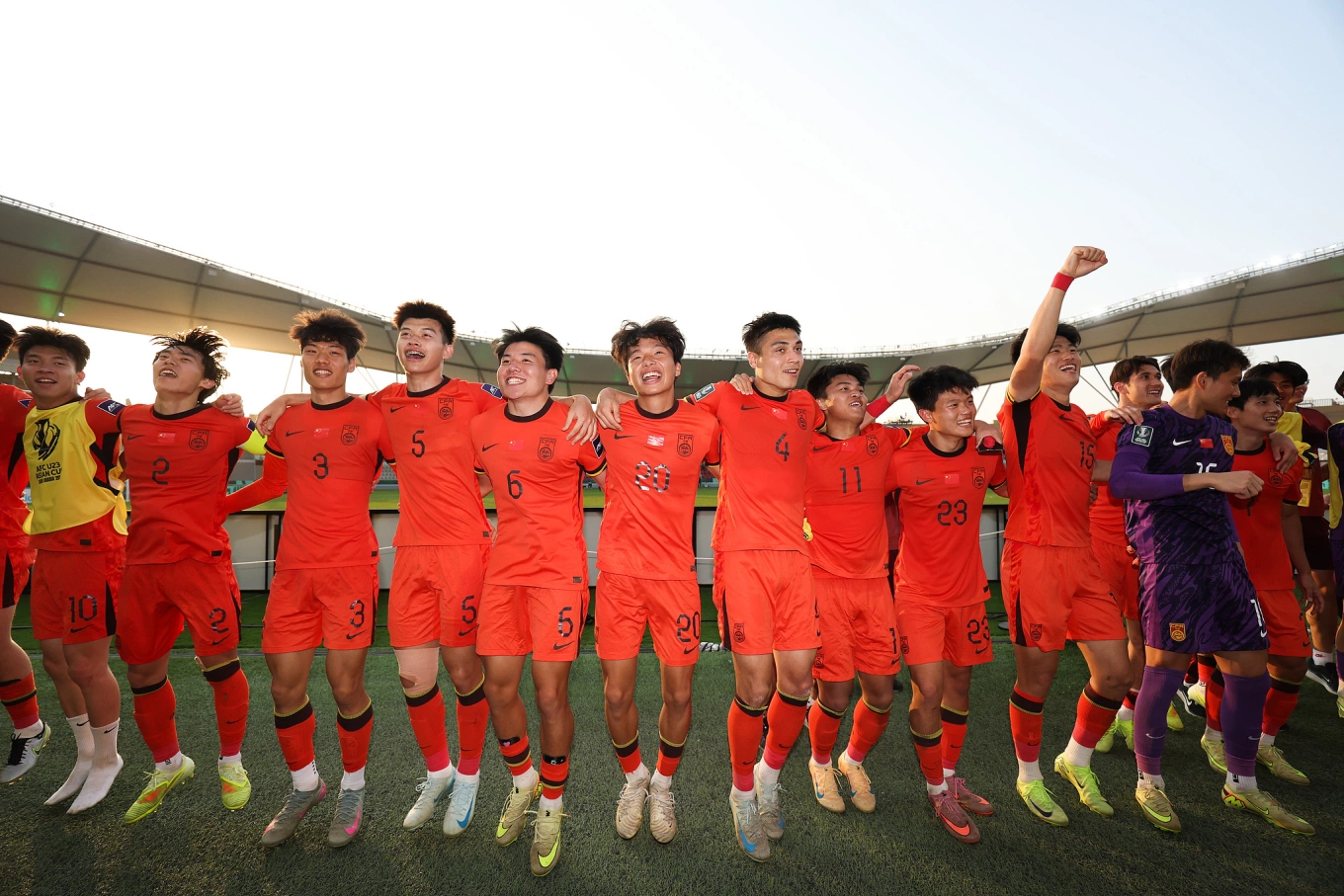
Underdog China, unbeaten and goal-shy, sets up tactical chess match against possession-heavy Vietnam on January 20 – could discipline trump flair in Jeddah?
As the 2026 AFC U23 Asian Cup reaches its business end in Saudi Arabia, China’s U23 team has stunned the continent by reaching their first-ever semi-final, armed with an impregnable defense that has yet to concede from open play. Facing Vietnam in Jeddah on January 20 at 10:30 PM local time (Vietnam time), Antonio Puche’s pragmatic outfit represents a major roadblock for the Southeast Asians’ bid to recapture their 2018 runner-up magic and reach another final. This clash pits Vietnam’s proactive, ball-dominant style against China’s low-block resilience, with global implications for youth development in two footballing nations hungry for continental breakthrough.
China’s journey has been defined by denial rather than dominance. Under Spanish coach Antonio Puche, the side deployed a disciplined 5-3-2 formation, maintaining a mid-to-low block with zonal marking and tireless midfield coordination led by captain Xu Bin. They frustrated higher-ranked Uzbekistan to a 0-0 draw over 120 minutes before winning 4-2 on penalties in the quarter-finals, thanks to goalkeeper Li Hao’s heroics. Clean sheets have become routine—China conceded zero from open play across the tournament—while an unbeaten run includes a group-stage 1-0 upset over Australia. Possession rarely exceeds 49%, yet direct play, long balls to target man Abduwali, and counter surges keep threats alive.
Vietnam, coached by Kim Sang-sik, enters with momentum from four straight wins, including a dramatic 3-2 extra-time quarter-final victory over the UAE. Their possession-oriented approach contrasts sharply with China’s absorption model, echoing tactical parallels in both teams’ use of deep blocks and flank protection. Yet Vietnam’s edge in flair and transitions could exploit rare vulnerabilities, such as China’s set-piece exposure on the far post. History slightly favors China, unbeaten in prior U23 meetings, but Vietnam’s experience in high-stakes knockout football adds intrigue.
For Asia’s football landscape, China’s breakthrough signals genuine progress in structured youth coaching amid national team struggles, while Vietnam aims to solidify their rise as a regional force. The winner gains not just a final spot—potentially against Japan—but momentum that could reshape investment and talent pathways in both countries.
In a tournament where goals grab headlines, this semi-final reminds us that the path to glory often runs through unbreakable defense. Will Vietnam’s attacking intent finally crack Puche’s wall, or will China’s frustrating blueprint prove that in youth football, the team that refuses to lose is the most dangerous of all?
The answer arrives tonight—watch closely, as history hangs in the balance.
Discover more from Vietnam Insider
Subscribe to get the latest posts sent to your email.