

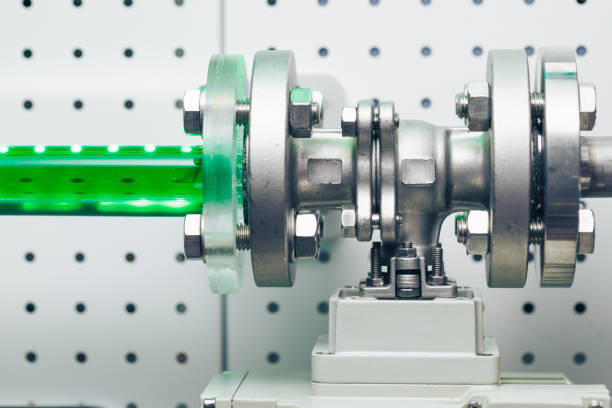
Common Causes of a Ball Valve Leaking and How to Prevent Them
A ball valve is used in different processes because of various reasons such as durability and dependability as well as ability to control the flow of fluids. Nevertheless, corresponding to all mechanical parts, ball valves are prone to leak after sustained use, which can cause numerous operational problems if unrepaired. It is therefore important to understand and be able to prevent the causes of leakage in the ball valve so as to maintain the heart of the system or line. This article looks at the following causes and gives real life solutions with expert input from some of the premier industrial valve manufacturers.
Wear and Tear on Seals and Seats
There are various reasons which make a ball valve leak but perhaps the most frequent is the deterioration of the seals and seats. Seals and seats are so important as they enable the valve to close tightly and so that any fluid cannot pass through. Sometimes these sections may wear out because of the stress that is constantly being applied to them, variation in temperature and contact with abrasive substances. This results in the formation of pits on the surface of the metal which causes degradation of the surface and therefore leads to a compromising of the seal interface so that the fluids start to leak.
To counter this problem, the inspection and maintenance must be carried out more frequently. Seals and seats should be inspected by the industrial valve manufacturers for signs of wear; they should then be replaced when necessary. Also, one can opt for valves with much higher quality material as applicable to the conditions of use so as to increase the durabilities of these parts.
For instance, when selecting valves to be used in high-temperature applications, it’s possible to use those valves with PTFE Teflon seats so as not to cause seal deterioration and thus consequent leakage. Further, sealing and getting replacement parts from the right suppliers, there is less chance of the parts fading or deforming and this further reduces chances of leakage of the valve.
Ball Valve Improper Installation and Assembly
Essential ball valve leaking causes are recognized as improper installation or assembly of the valve. As with many mechanical systems, if the valve is not positioned correctly, or if the parts of the assembly are not well aligned, then there will be leakage.
It is most common where the valve is fitted in high pressure or in conditions where they are likely to undergo fluctuations in temperature thus leading to expansion and contraction thus compromising the functionality of the valve.
The only ways that one can be assured of eliminating leakages within the taps are by adhering strictly to the manufacturer’s installation procedures and guidelines. The correct installation can be possible by using skilled technicians who understand the special needs of industrial valve systems.
Also, in order to avoid problems with defects, it is possible to use only high-quality parts of the valves from reliable industrial valve manufacturers that guarantee the compatibility of all parts and details. Even more, training and updates for the maintenance staff on correct installation practices can help to lessen such problems. That was not only about correct positioning of the valve but also its right classification according to the pressure/temperature parameters of future application, which can affect the service life of the valve and provide leaks skipping.
Ball Valve Corrosion and Material Degradation
Corrosion is another major cause of leakage in ball valves; most commonly in conditions where the valve is exposed to agents that cause corrosion. In time, the corrosion process impacts the quality and the performance of the valve body, the ball as well as the internal parts of the valve causing leakage. This is often realized in chemical processing, oil & gas and water treatment industries where valves are often in contact with chemicals or saltwater or other corrosive agents.
To reduce the rate of corrosion, it is important that one gets to select the right material for the valves that are to be used in this case to suit the chemicals and the environment in which they are to be used. For instance, an application in a severely corrosive environment may be advised to use stainless steel or a compound such as Hastelloy. The problem of leaks can be solved by inspection all the time for corrosion and replacement of the parts when necessary.
Most industrial valve manufacturers give their valves a corrosion resistant coating or use materials which can adequately cope in harsh environments thereby increasing the valve’s durability and lessening the chances of leakage. In addition, the use of corrosion-resistant materials goes hand in hand with the exclusion of leakage but also the exclusion of recurrent major expenses required for replacements.
Inadequate Maintenance and Lack of Regular Inspections
Failure to maintain the ball valves and failure to conduct frequent checks on them are also central to the leaks. Valves that are not frequently checked for problems or perhaps serviced are likely to have problems such as worn seal, corrosion, or physical damage and therefore manifest leakages. It is always good to observe these problems when they are still small lest they turn into big ones that will require more attention.
Having a schedule of maintenance as well as checking all the valves in the system would also minimize leakages. When doing these inspections look at the indications of wear, corrosion, and physical damage and replace the defecting components as soon as possible. Collaborating with an industrial valve manufacturer who provides maintenance services and technical support can also guarantee that your valves are well maintained, therefore, have a longer life cycle and would not develop leaks.
Further, an apparatus of a preventive maintenance program with the usage of predictive diagnostics will allow for the identification of possible problems before they create leaks and affect operation continuance. These measures will go a long way in preventing major downtimes and in the process; the all round reliability of your industrial plants will be boosted.
Conclusion
There are different conventional reasons behind a leaking ball valve; what is desirable is to be warned early and take measures so as to eliminate the cause. It is crucial to understand the reasons behind the leakage of a ball valve and take some action towards it. Subsequently, we have methods of repairing the damages, installation techniques, using appropriate materials that contain no corrosion, and following a schedule of inspections each of which significantly helps in avoidance of leaks. Partnering with a reputed industrial valve manufacturer provides you the convenience of getting the right valves as well as getting advice on possible issues which may be causing system disruptions and leakage.
Adopting such measures goes a long way in increasing the durability of the valves as well as reducing the losses through frequent breakdowns, frequent replacement and general unreliability of the systems. Purchasing appropriate valves, as well as ensuring the proper upkeep of the valves, are not only protective measures for the operations but more a mechanism that fosters operational success in the long term.
Discover more from Vietnam Insider
Subscribe to get the latest posts sent to your email.