

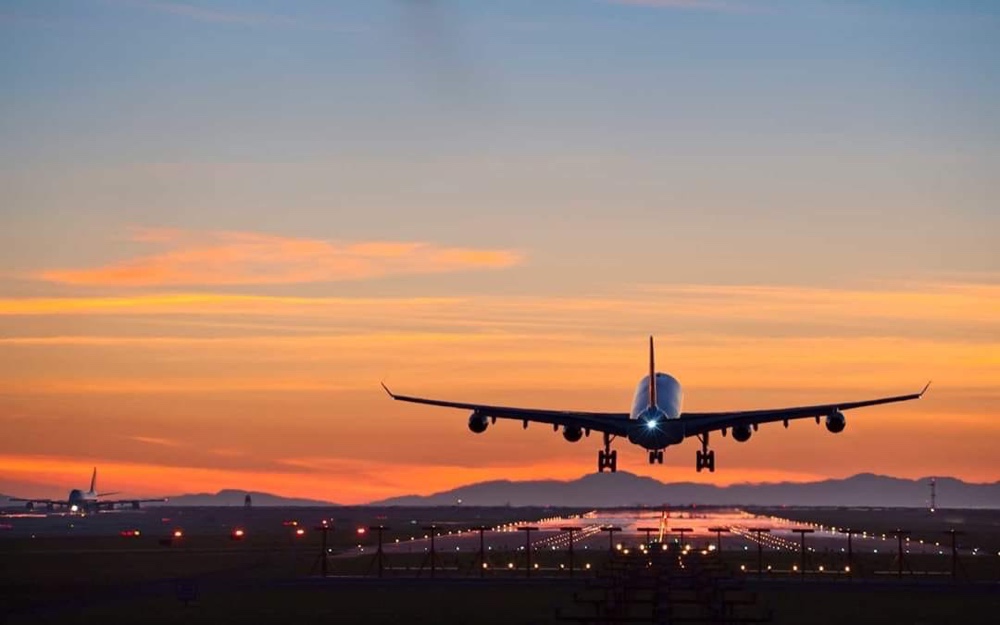
Air travel between Vietnam and the Middle East remains heavily disrupted, with airlines cutting flights and adjusting schedules despite partial reopening of regional airspace.
The situation underscores how ongoing tensions in the Middle East are rippling through global aviation, affecting routes, pricing, and capacity far beyond the region.
Airlines scale back despite partial reopening

Emirates has cut frequency on its Ho Chi Minh City to Dubai route from two flights per day to one between March 18 and March 27. Passengers affected by earlier disruptions are being offered rebooking, itinerary changes, or refunds depending on their preferences.
Meanwhile, Qatar Airways has yet to fully resume normal operations due to ongoing airspace restrictions. The airline recently canceled all scheduled passenger flights on routes connecting Ho Chi Minh City and Hanoi with Doha, along with several cargo services.
Airspace uncertainty still a key constraint
Vietnam’s aviation authorities say these adjustments reflect the continued impact of restricted and unstable airspace across parts of the Middle East.
Even where routes have reopened, airlines must navigate evolving security conditions and air traffic control limitations, making it difficult to restore full schedules.
For long haul routes linking Southeast Asia with Europe and the Gulf, this creates a cascading effect, reducing capacity and increasing operational complexity.
Fuel prices surge, adding pressure
Jet fuel prices in Asia have surged, with Singapore benchmark prices exceeding 200 USD per barrel. Supply conditions remain tight in the short term, as reflected in market structures that indicate immediate shortages.
The price spike is closely tied to escalating geopolitical tensions, particularly involving Iran and the Gulf region, which are raising concerns about potential disruptions to global oil supply chains.
In Europe, fuel prices remain elevated and inventories have declined significantly, prompting some airlines to increase ticket prices on long haul routes.
Potential ripple effects for Vietnam
The combined pressure of disrupted routes and rising fuel costs is beginning to affect Vietnam’s aviation market more broadly.
Authorities have instructed airlines to review their operational plans, especially for domestic routes, amid concerns about potential fuel shortages. Airports are also preparing for scenarios where carriers may need to reduce flight frequencies.
There is a growing possibility that both international and domestic flights could be scaled back further starting in April, just as demand typically rises ahead of the Reunification Day holiday and the summer travel season.
What travelers and businesses should expect
For passengers, the near term outlook includes:
Higher airfares, particularly on long haul routes
Reduced flight options and less flexibility in scheduling
Increased risk of delays, rerouting, or last minute cancellations
For businesses, especially those reliant on regional connectivity, the disruptions could affect travel planning, logistics, and supply chains.
The bottom line
The disruption to Vietnam Middle East air routes is no longer a short term issue. It reflects a broader convergence of geopolitical risk and energy market volatility that is reshaping global aviation.
Until airspace stabilizes and fuel prices ease, airlines are likely to remain cautious, and travelers should be prepared for continued uncertainty.
Related
Discover more from Vietnam Insider
Subscribe to get the latest posts sent to your email.