

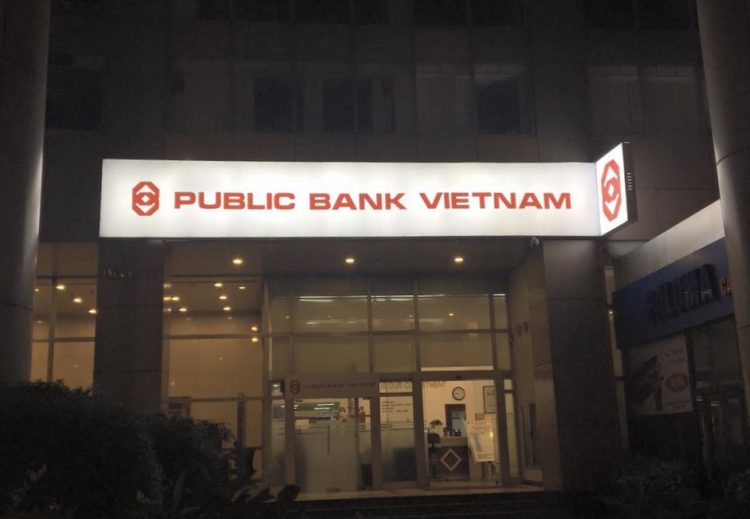
Central bank audit finds compliance gaps at Public Bank Vietnam, raising questions over risk controls in Southeast Asia’s fast-growing banking market
As Vietnam positions itself as a rising financial hub in Southeast Asia, a recent regulatory inspection has spotlighted compliance weaknesses at a foreign-owned lender—underscoring the growing pains of a banking system under rapid expansion and global scrutiny.
The State Bank of Vietnam’s chief inspector has issued an official audit conclusion targeting Public Bank Vietnam, a wholly foreign-owned subsidiary of Malaysia’s Public Bank Berhad. The findings reveal a series of operational and regulatory breaches spanning credit issuance, foreign exchange transactions, cross-border remittances, and anti-money laundering controls.
According to the inspection report, the bank exhibited lapses in internal rule-making and compliance enforcement, particularly in core lending activities such as loan approvals, guarantees, and letters of credit. Weaknesses were also identified in debt classification, provisioning practices, and the handling of non-performing loans—areas that are critical to financial stability and investor confidence. Sample reviews of customer credit files further exposed deficiencies in loan eligibility assessments, collateral management, and post-disbursement monitoring.
The regulator also pointed to shortcomings in the bank’s restructuring plan for the 2021–2025 period, with several targets unmet and governance oversight deemed insufficient. Internal audit systems failed to provide early warnings on emerging risks, while the absence of dedicated IT audit personnel highlighted a structural gap in technology risk management—an increasingly vital function as banks digitize operations.
While some violations were attributed to broader market challenges and borrower-related risks, the central bank emphasized internal accountability. Weak governance, incomplete internal procedures, and inconsistent adherence to both Vietnamese law and internal policies were cited as key contributing factors. Senior management and supervisory bodies across different periods were held responsible for the deficiencies.
The State Bank of Vietnam has imposed administrative penalties and mandated corrective actions, including internal reviews, accountability measures, and a structured remediation roadmap. The bank is required to strengthen compliance frameworks, enhance risk controls, and ensure operational stability moving forward.
For international investors and financial institutions, the case offers a timely signal. Vietnam’s banking sector remains one of the most attractive in emerging Asia, fueled by strong GDP growth and rising foreign direct investment. Yet, as regulatory oversight tightens, compliance standards are becoming less forgiving. The question now is whether foreign banks can adapt quickly enough to match Vietnam’s accelerating financial maturity—or risk falling behind in one of Asia’s most dynamic markets.
Discover more from Vietnam Insider
Subscribe to get the latest posts sent to your email.