

Cape Verde may have exited the FIFA World Cup 2026, but the small Atlantic island nation has emerged as one of the tournament’s biggest winners.
The African archipelago, home to just over half a million people, captured global attention with its spirited World Cup performance, earning admiration far beyond the football pitch. Now, that newfound visibility is translating into something equally valuable: a tourism boom.
Travel platforms across Asia, Europe, and North America are reporting a dramatic spike in interest for Cape Verde, with some recording search growth of between 200% and 800% in just a matter of days. For a destination that remains relatively unknown outside Europe, the World Cup has become an unexpected marketing campaign worth millions.
A Football Fairytale Driving Tourism Demand
Interest in Cape Verde surged ahead of the team’s highly anticipated clash with defending champions Argentina on July 4. Although the Blue Sharks ultimately fell short, their fearless performance turned them into one of the tournament’s most talked about underdogs.
Chinese travel giant Trip.com reported that searches for Cape Verde increased 388% year on year and an astonishing 852% compared with the previous month by the end of June. Flight bookings to the islands rose 76%, while hotel reservations climbed 46% compared with the same period last year.
Another major Chinese travel platform, Tongcheng Travel, recorded a more than 200% increase in searches for Cape Verde attractions within 24 hours of the Argentina match. Travelers from Shanghai, Beijing, Guangzhou, and Shandong showed the strongest interest, while demand for West Africa itineraries also climbed sharply.
Particularly popular were multi destination trips combining Cape Verde with Lisbon, reflecting the islands’ historical and cultural ties to Portugal.
Meanwhile, HopeGoo, a travel booking platform affiliated with Tongcheng Travel, reported that searches for flights from Hong Kong to Cape Verde via Europe increased twelvefold compared with the previous week.
The Destination Many Travelers Are Discovering for the First Time
For many international travelers, Cape Verde is a destination they had never previously considered.
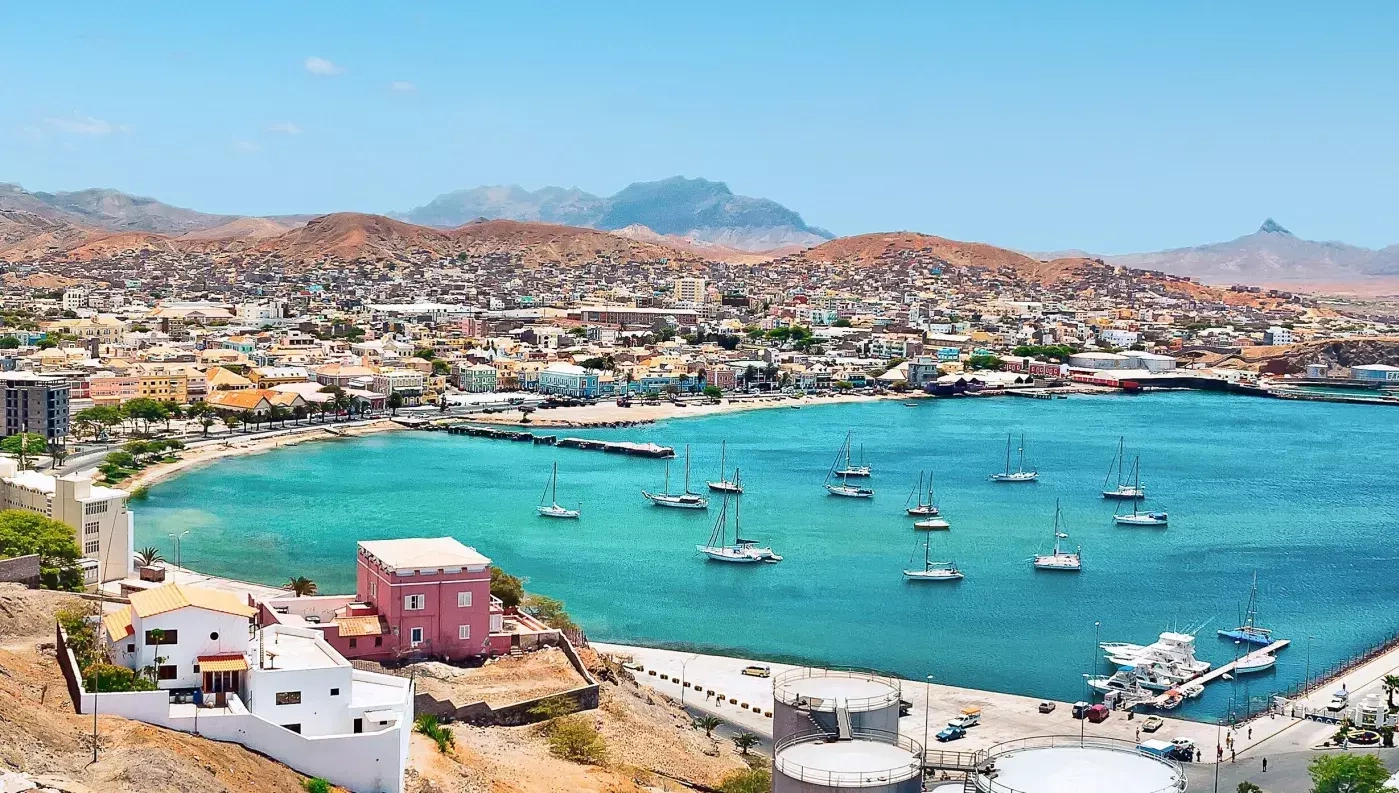
Located roughly 600 kilometers off the coast of West Africa, the nation consists of ten volcanic islands scattered across the Atlantic Ocean. Often compared to destinations such as Madeira, the Canary Islands, and the Azores, Cape Verde offers year round sunshine, dramatic volcanic landscapes, pristine beaches, vibrant music traditions, and a unique blend of African and Portuguese influences.
The islands are part of the Macaronesia region, a collection of Atlantic archipelagos sometimes referred to as the “Islands of Happiness” because of their mild climate and exceptional natural beauty.
Despite welcoming around 1.2 million visitors annually, Cape Verde’s tourism industry remains heavily dependent on European package holiday travelers. The recent surge in global attention could help diversify visitor markets and introduce the destination to travelers from Asia and other regions where awareness has historically been low.
More Than a Football Story
The emotional impact of Cape Verde’s World Cup journey extended well beyond sports.
Chinese actress and public figure Ma Sichun shared her admiration online, writing that she hoped to visit Cape Verde one day and experience firsthand “a small country with a spirit far greater than its size.”
She praised goalkeeper Vozinha’s remarkable saves and celebrated Sidny Lopes Cabral’s memorable goal, describing the team as one of the tournament’s most inspiring stories.
Her comments echoed a broader sentiment among football fans worldwide. In an era dominated by global superpowers, Cape Verde reminded audiences why underdog stories continue to capture hearts.
A Rare Opportunity for Cape Verde’s Economy
Tourism already accounts for roughly a quarter of Cape Verde’s GDP, making it one of the country’s most important economic sectors.
However, much of the tourism infrastructure is controlled by international operators, meaning a significant share of visitor spending never reaches local communities. Industry observers believe the World Cup spotlight could encourage more independent travelers to explore the islands, potentially creating greater opportunities for local businesses, guides, restaurants, and hospitality providers.
The excitement surrounding the national team reached a climax when thousands of supporters welcomed the players home to the capital city of Praia. Crowds lined the streets waving flags as the team rode through the city on an open top bus before joining national celebrations on Cape Verde’s Independence Day.
For a country that exceeded every expectation on football’s biggest stage, the World Cup may prove to be more than a sporting achievement. It could become the moment Cape Verde finally steps into the global travel spotlight.
Discover more from Vietnam Insider
Subscribe to get the latest posts sent to your email.