

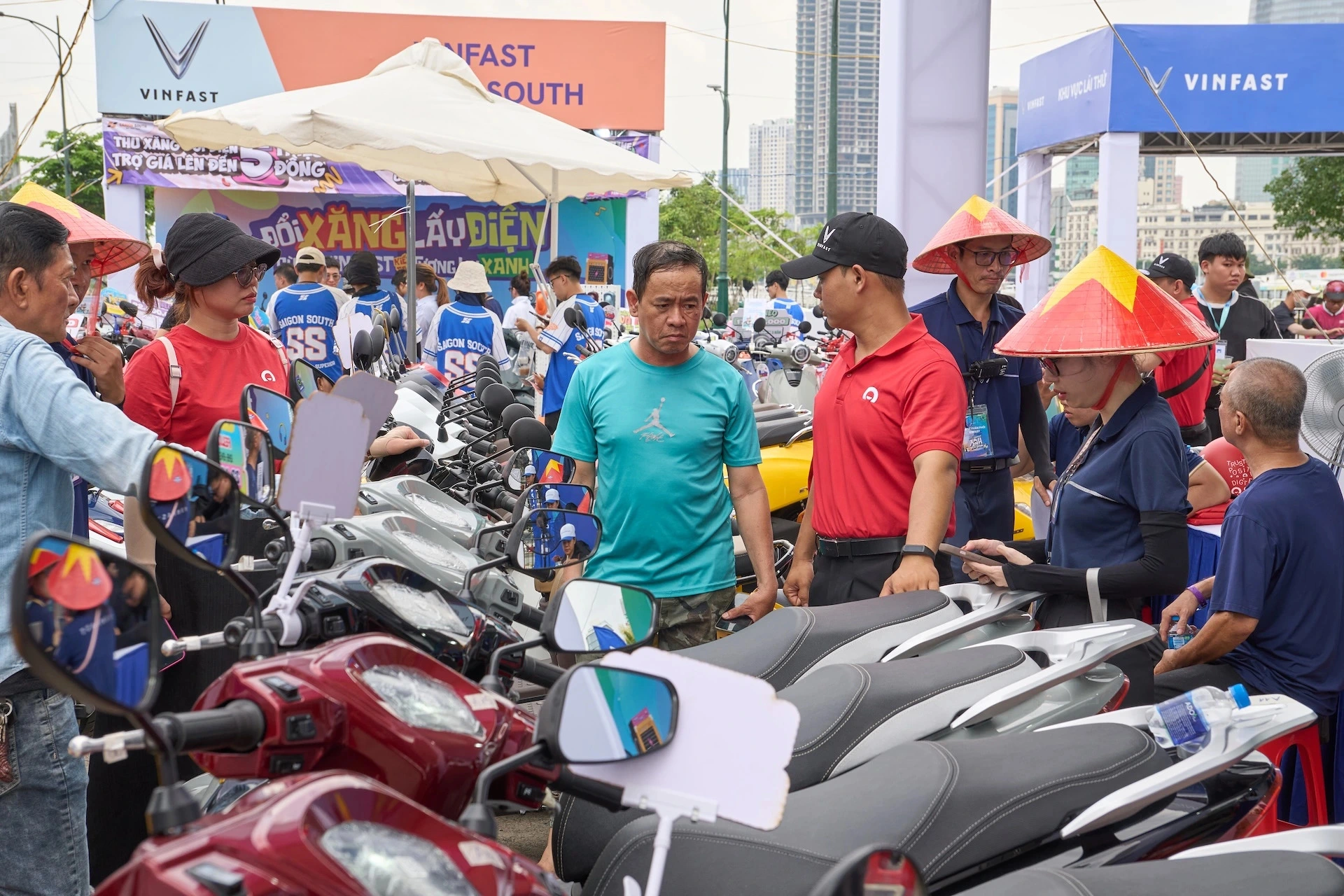
A sharp surge in fuel prices is triggering what some analysts describe as Vietnam’s largest shift toward electric vehicles in a decade, as consumers increasingly abandon gasoline-powered vehicles in search of cheaper alternatives.
Long queues at gas stations in major cities such as Hanoi and Ho Chi Minh City have become a familiar sight in recent weeks.
The spike—driven partly by geopolitical tensions affecting global oil markets—has pushed many drivers to reconsider how they commute.
Drivers Feeling the “Fuel Price Shock”
For commuters who rely on gasoline vehicles, the financial impact has been immediate.
Hoang Nam, a commuter living in suburban Ho Chi Minh City, said his monthly fuel bill for an SUV has doubled from around VND1.5 million to VND3 million ($60–$120).
“Every time the fuel gauge drops, it feels painful,” he said. “Sometimes it feels like I’m working just to keep the car running.”
Beyond higher prices, motorists are also dealing with crowded fuel stations and occasional supply shortages, further fueling frustration.
Electric Vehicles Seen as a Financial Escape
At the same time, many Vietnamese consumers are discovering the appeal of electric vehicles.
One Hanoi resident who recently replaced his gasoline sedan with a VinFast VF 8 said the switch eliminated the anxiety of fluctuating fuel prices.
“Now I just charge the car and drive all week,” he said. “No worrying about fuel price changes.”
Delivery workers and ride-hailing drivers are also joining the trend.
A Ho Chi Minh City-based ride-hailing driver who recently switched to an electric motorbike said she now saves more than VND2 million per month compared with operating a gasoline bike.
EV Showrooms See Surge in Customers
Dealerships across Vietnam report a noticeable increase in traffic at electric vehicle showrooms, particularly those run by VinFast.
Popular models such as:
-
VinFast VF 3
-
VinFast VF 6
-
VinFast VF 7
have reportedly seen surging interest and even temporary shortages in some showrooms.
Sales staff say many customers who once hesitated about charging infrastructure or battery durability are now focused on a simpler question: “How soon can I receive the car?”
Economic Pressures Accelerating the Shift
Online search data also reflects the trend.
According to industry observers, searches comparing “electric vehicle costs vs gasoline vehicles” have increased by roughly 60% in the past two months.
The shift is driven by several overlapping factors:
-
Rising fuel prices
-
Urban emissions regulations
-
Expanding EV charging infrastructure
-
Financial incentives from manufacturers
Government Policies Also Pushing Change
In addition to fuel costs, environmental policies are beginning to influence consumer decisions.
Some cities, including Hanoi, plan to introduce stricter emissions regulations and time-based restrictions on gasoline motorcycles in central districts starting July 2026.
These measures are expected to accelerate the transition toward electric transport.
Long-Term Economic Benefits
Economists say the shift could also help Vietnam reduce its reliance on imported fossil fuels.
According to economic analyst Tran Anh Tung, electric vehicles generally consume 15–20 kWh of electricity per 100 km, resulting in energy costs that are 40–60% lower than gasoline vehicles under current energy prices.
If EV adoption continues to grow, he said, the country could reduce exposure to global oil price volatility and inflation pressures.
For many Vietnamese drivers, however, the calculation is simpler.
As one new EV owner put it:
“When gasoline prices rise, I don’t feel it anymore.”
Discover more from Vietnam Insider
Subscribe to get the latest posts sent to your email.