

Navigos Group’s 2022 labor market report shows that the post-pandemic shortage rate in Ho Chi Minh City is nearly 23% and Hanoi is nearly 15%.
The VietnamWorks online job search site under Navigos Group has just released a report “The situation of the labor market in 2022: Current situation and direction”, which said that from the beginning of 2022, the Vietnamese labor market has been bustling. The rhythm returned with signs of prosperity from production activities of enterprises, opening up many job opportunities for workers.
However, changes due to the impact of the Covid-19 epidemic have brought new trends in the labor market and domestic jobs, affecting the demand for jobs of workers over the past time.
The report of VietnamWorks is made based on the results of a survey with more than 400 businesses and more than 3,000 job seekers in the Vietnamese market.
Shortage of human resources in Ho Chi Minh City and Hanoi
Assessing the labor market in the first half of this year, from a business perspective, the report shows that up to 87% of enterprises have difficulties in recruiting personnel. The main reason comes from the increase in the number of employees actively applying for leave compared to the same period in 2021.
Among 400 enterprises participating in the survey, 12% of enterprises recorded the rate of employees taking the initiative to leave up to 30-40% and nearly 41% of enterprises had the rate of employees actively leaving 10-20%.
According to recruitment experts, this is a difficult problem for businesses when the production and business situation needs to be promoted when the market recovers.

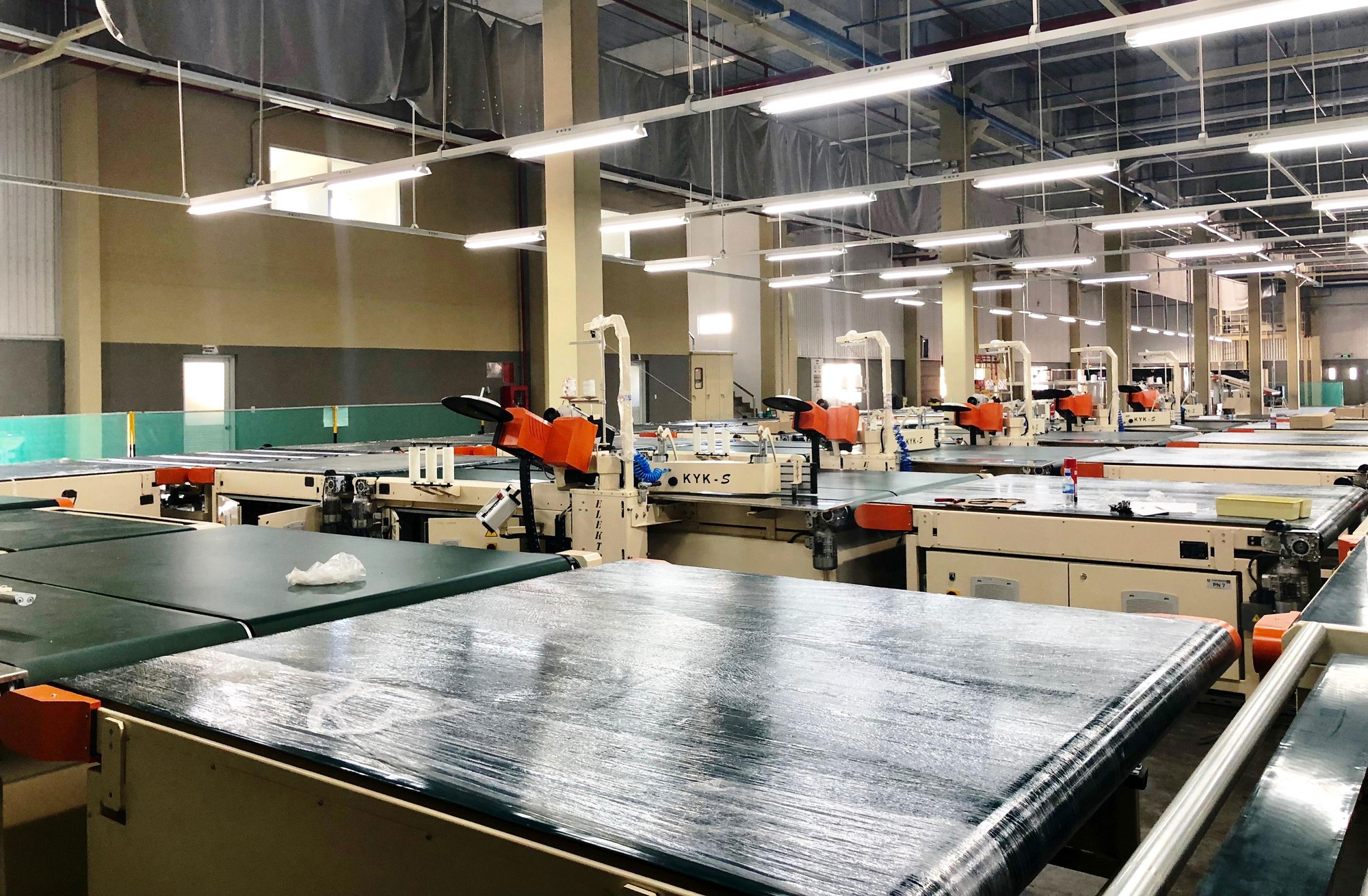
The shortage of human resources still occurs in Ho Chi Minh City and Hanoi even though the Covid-19 epidemic has been controlled. Photo: Quynh Danh.
Besides, the recruitment market in the first half of this year also recorded an imbalance between supply and demand. In particular, the shortage of human resources in Ho Chi Minh City and Hanoi has increased. Specifically, the rate of shortage of human resources in Ho Chi Minh City is nearly 23% and in Hanoi it is nearly 15%.
The sectors with the largest shortage of human resources belong to the service sector; construction/architecture; real estate; wholesale and retail; restaurant/hotel/tourism; information technology; finance/accounting/audit…
From the perspective of job seekers, the report shows that the number of workers who are unemployed full-time accounts for 40% of the number of job seekers. In this group of employees who do not have a full-time job, half are people who have quit but have no new jobs, the rest are employees who are seasonal or self-employed…
Human resources in many industries are difficult to find jobs after the epidemic
With the above market situation, in the year-end period, the report said that up to 89% of enterprises will actively promote recruitment in the second half of the year, depending on the size and production demand.
In which, enterprises with 300-1,000 employees are expected to increase recruitment by 50-60%; Enterprises with 101-300 employees will increase recruitment by 10-40% and enterprises with less than 100 employees are also expected to increase recruitment demand by 50-60%.
To meet the needs of recovering production and business activities after the epidemic, businesses are prioritizing hiring employees from departments such as sales/sales; engineering; information technology; marketing – marketing and finance/accounting/audit.

Many workers have difficulty finding new jobs after the Covid-19 epidemic. Photo: Nam Khanh.
Navigos assesses that the recruitment market will be more active with a very high job search demand of workers. Accordingly, about 65% of workers in most industry groups want to find a full-time job.
However, the majority of workers surveyed said that it is more difficult to find a job during this time. In which, nearly half of employees with less than 2 years of experience and more than 2 years of experience admitted to having difficulty finding a new job.
For workers in management and team leadership positions, the percentage who said they had difficulty finding a new job was 46% and 53%, respectively.
Further analysis, the report shows that the ability to find a job becomes more difficult in specific industry groups such as medicine/dentistry/pharmacy; education; insurance; food/beverage or entertainment arts (accounting for 45-50% in the industry groups, especially 76% in the pharmaceutical group). This shows that the groups of industries that are greatly affected by the epidemic are still in a state of limited personnel.
Meanwhile, the ability to find new jobs is relatively stable or has not changed much, concentrated in administrative/legal sectors; chemistry/biochemistry or real estate.
In particular, in the environmental safety group, the ability to find new jobs is easier, showing that this is an industry group that is thirsty for human resources after the pandemic and makes it easier for workers to find jobs.
@ Zing News
Discover more from Vietnam Insider
Subscribe to get the latest posts sent to your email.