

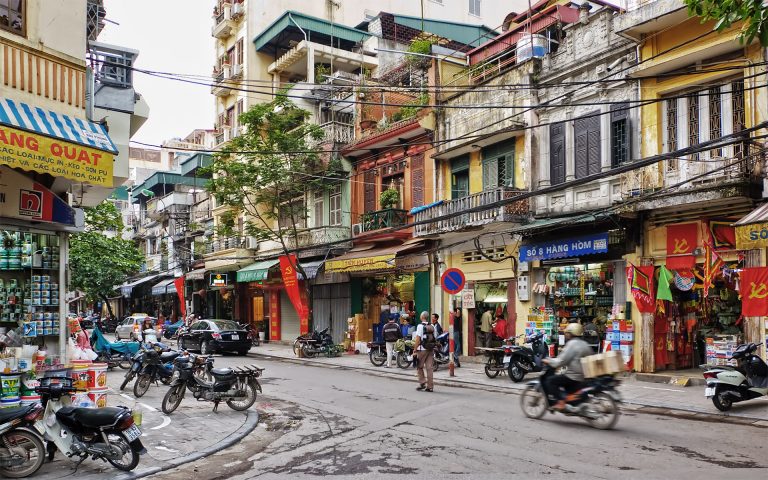
Hanoi has officially been ranked as Vietnam’s most expensive city to live in, according to the latest Spatial Cost of Living Index (SCOLI), reinforcing its position as the country’s economic and administrative center.
The index, released by Vietnam’s General Statistics Office, compares the cost of goods and services across provinces, with Hanoi set as the baseline at 100.
For international residents, investors, and businesses, the findings offer a clearer picture of regional cost dynamics in one of Southeast Asia’s fastest growing economies.
The Top Tier: Northern Cities Dominate
Following Hanoi, the next most expensive locations are:
- Quang Ninh
- Hai Phong
- Ho Chi Minh City
- Da Nang
Ho Chi Minh City, despite being Vietnam’s largest economic hub, ranks fourth, with a slightly lower cost base than Hanoi due to stronger retail competition and more efficient supply chains.
Why Hanoi Is the Most Expensive
Several structural factors explain Hanoi’s top ranking:
- High population density and rapid urbanization
- Rising real estate prices driven by limited land supply
- Strong demand for premium healthcare, education, and dining
These pressures push up both consumer prices and operating costs for businesses, making Hanoi the most expensive environment in the country.
The Most Affordable Regions: Mekong Delta Leads
At the other end of the spectrum, the most affordable provinces include:
- Vinh Long
- Gia Lai
- Ca Mau
- Quang Tri
- Tay Ninh
Vinh Long ranks as the least expensive location, with living costs at just over 91 percent of Hanoi’s level.
These areas benefit from:
- Strong local food production
- Lower demand for high end services
- More moderate urban development
As a result, everyday expenses remain relatively stable and accessible.
Regional Comparison: Gaps Are Narrower Than Expected
Interestingly, the overall cost gap across Vietnam remains relatively small.
- The most expensive region: Red River Delta
- The least expensive region: Mekong Delta
- Difference: less than 5 percentage points
This reflects improvements in logistics, distribution networks, and the rise of e-commerce, which are helping standardize prices nationwide.
What This Means for Expats and Investors
For international stakeholders, the data offers practical insights:
- Hanoi remains the most costly base for operations and living
- Ho Chi Minh City offers a slightly more competitive cost structure
- Secondary cities and provinces provide lower cost alternatives
However, higher costs in Hanoi often come with trade-offs, including better infrastructure, access to services, and proximity to government institutions.
Bottom Line
Hanoi’s position as Vietnam’s most expensive city reflects both its economic importance and the pressures of rapid urban growth.
While cost differences across the country remain relatively modest, location still matters and choosing where to live or invest in Vietnam can significantly impact overall expenses.
Discover more from Vietnam Insider
Subscribe to get the latest posts sent to your email.