

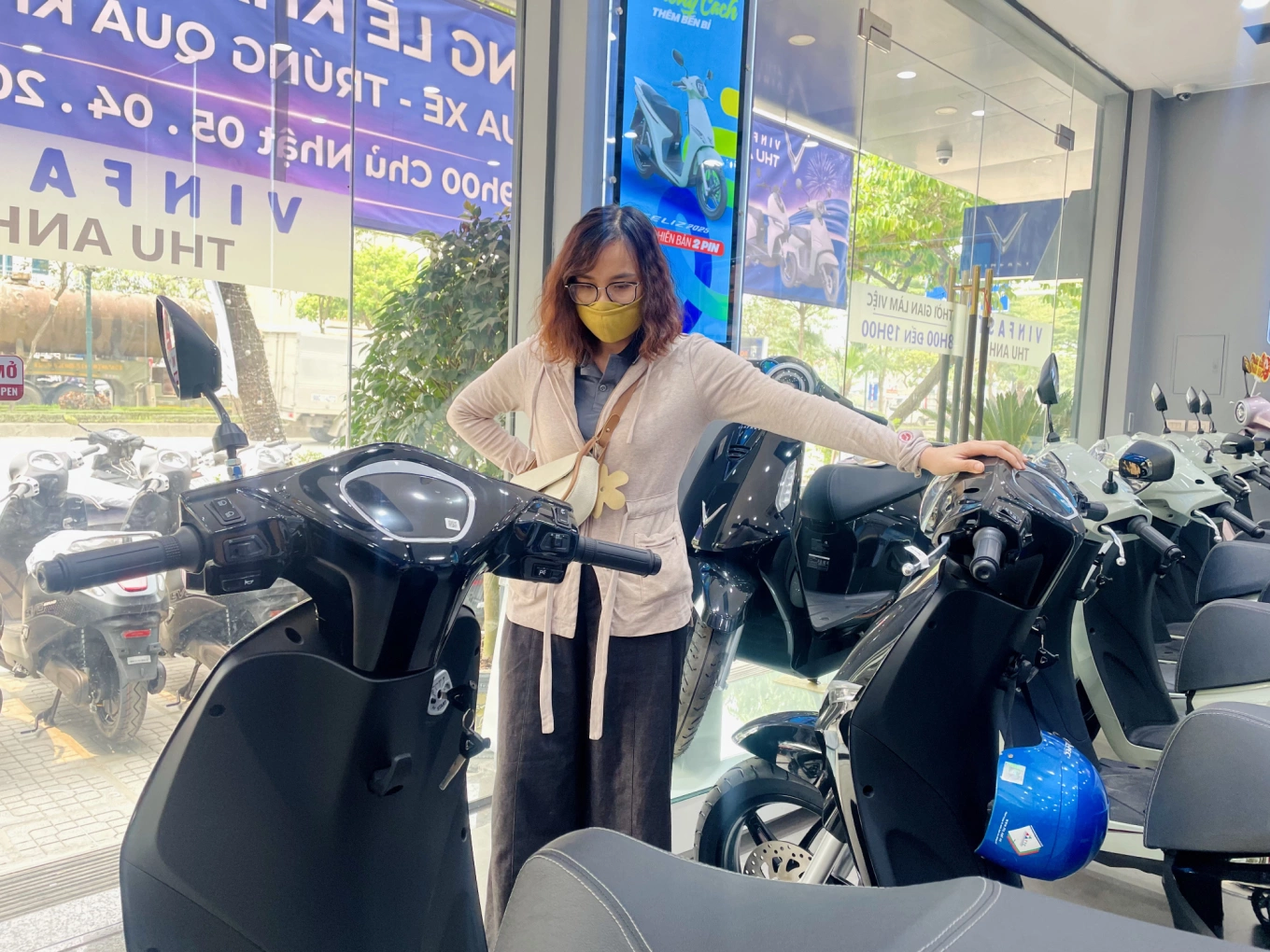
Hanoi is witnessing a rapid shift toward electric motorbikes, driven by a combination of rising fuel costs and upcoming restrictions on petrol powered vehicles in the city center.
As authorities prepare to limit gasoline motorbikes within key urban zones, households are accelerating the transition, turning electric vehicles from an alternative into a primary mode of transport.
Policy Pressure Meets Economic Reality
One of the biggest drivers behind the shift is a planned policy targeting emissions.
Starting July 1, Hanoi will pilot a low emission zone in central districts within Ring Road 1, where petrol motorbikes will be restricted during certain hours.
At the same time, rising fuel prices are pushing households to rethink long term costs.
- Petrol motorbike expenses: over 15 million VND per year in some households
- Electric motorbikes: roughly one third of that cost
This economic gap is making electric vehicles an increasingly rational choice.
Demand Surges Across the Market
The shift is already visible in sales data and consumer behavior:
- One major manufacturer reported over 135,000 orders nationwide in March
- More than 20,000 electric motorbikes delivered in Hanoi alone
- Some dealerships saw sales triple compared to earlier months
Importantly, the customer base is evolving. Electric motorbikes are no longer limited to students but are increasingly adopted by working professionals.
Infrastructure and Technology Catching Up
Concerns about battery life, charging, and safety have historically slowed adoption. That is now changing.
- Expansion of battery swapping stations across cities
- Use of safer battery technologies
- Improved performance, with some models reaching 280 km per charge
These improvements are helping remove practical barriers and increasing consumer confidence.
Incentives and Market Competition
Manufacturers are also accelerating the transition through:
- Trade in programs for old petrol bikes
- Installment payment options
- Free charging or battery swap incentives
Some dealerships report buying back hundreds of petrol motorbikes from customers switching to electric, highlighting how quickly the transition is taking place.
A Visible Shift in Daily Life
The impact is already visible at the street level.
Parking areas in residential buildings are seeing a sharp increase in electric vehicles, with some locations reporting a threefold rise in just a few months.
Electric motorbikes are no longer seen as secondary or experimental. For many households, they are becoming the default choice.
Why This Matters
For international investors and businesses, Hanoi’s transition reflects broader trends:
- Policy driven shifts toward cleaner urban transport
- Rapid consumer adoption when cost savings are clear
- Growing opportunities in electric mobility, infrastructure, and services
Bottom Line
Hanoi’s move toward electric motorbikes is no longer gradual. It is accelerating quickly under the combined pressure of policy, economics, and technology.
What was once a niche segment is now becoming central to how the city moves.