

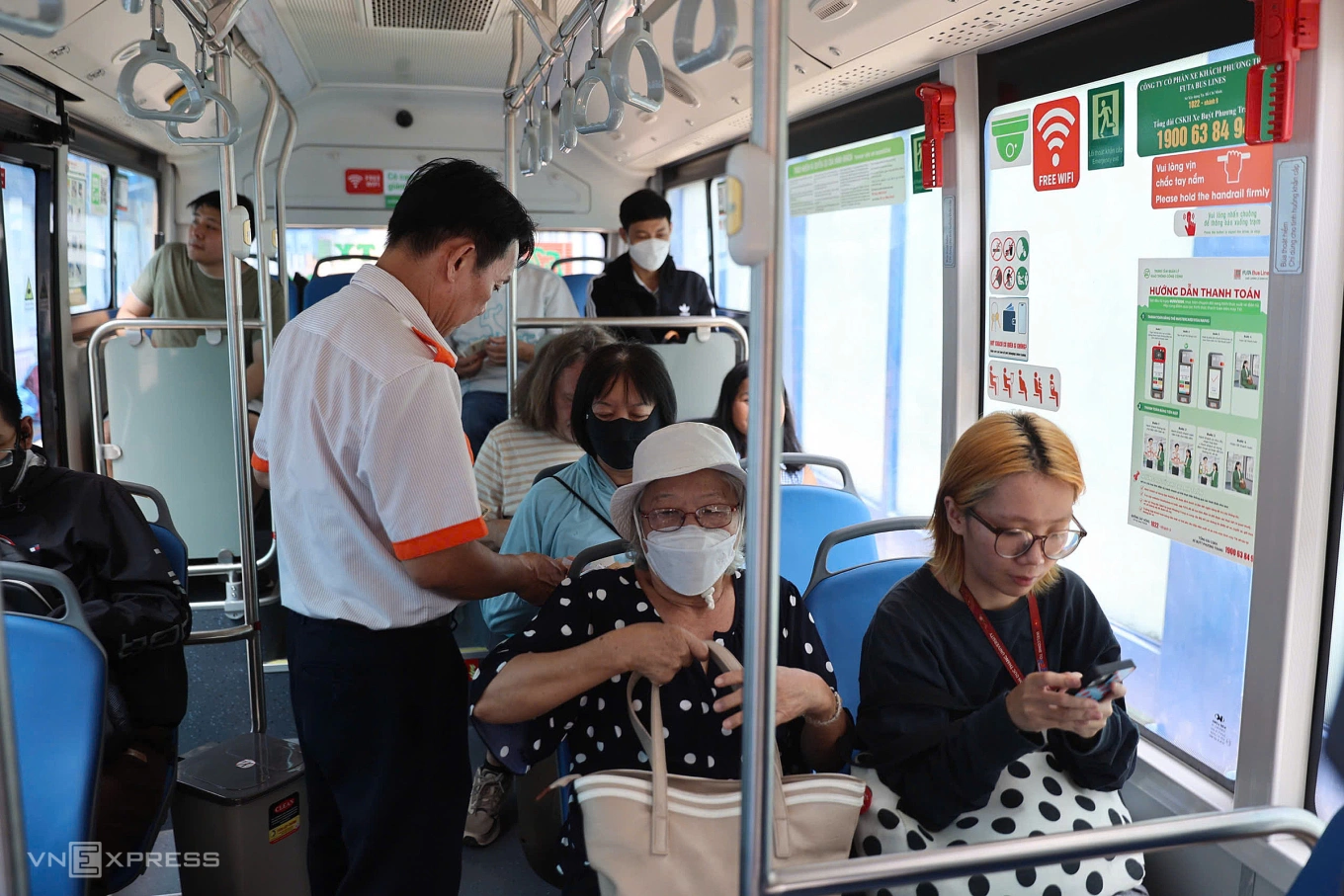
Ho Chi Minh City is exploring a sweeping policy to make all public bus services free, a move that could transform urban mobility in Vietnam’s largest economic hub.
If approved, the plan would eliminate fares across more than 100 inner city bus routes, marking the first time the entire population would be able to use public buses at no cost.
For international observers, the proposal signals a growing shift in Vietnam toward sustainable urban transport and demand driven public policy.
A High Cost Strategy to Solve Congestion
City officials estimate the policy could cost around 7 trillion VND per year (approximately $275 million), a significant increase from the current annual subsidy of about 1.5 trillion VND.
The rationale is clear:
- Reduce traffic congestion in a city dominated by motorbikes
- Lower transportation costs for residents
- Cut emissions and improve air quality
Authorities expect bus ridership to increase by around 30 percent, based on current projections.
How the System Would Work
The proposal covers:
- Approximately 135 inner city bus routes, including both subsidized and non subsidized lines
- Full fare exemptions for all passengers
However, interprovincial routes are not included due to different funding and operational structures.
To manage the system, the city plans to deploy digital tracking tools to monitor passenger volumes, ensuring transparency and more efficient budget allocation.
Can the Network Handle the Surge in Demand?
Capacity is one of the biggest questions.
Currently:
- Many bus routes operate at less than 50 percent capacity
- The system includes over 2,100 buses across 179 routes
This suggests there is room for growth. However, officials are also considering:
- Increasing service frequency
- Expanding fleet size if demand spikes
- Prioritizing key routes serving schools, industrial zones, and dense residential areas
More Than Free Fares: The Real Challenge
Transport experts caution that removing ticket prices alone may not be enough to shift commuter behavior.
Key barriers remain:
- Service reliability and delays
- Vehicle quality and comfort
- Accessibility of bus stops and routes
With current fares already low at around 5,000 to 7,000 VND per trip, price is not the primary deterrent for many users. Instead, service quality will determine whether the policy delivers long term impact.
A Phased Approach on the Table
Given the financial burden, authorities are also considering alternative rollout strategies:
- Prioritizing students and low income groups first
- Offering free rides during off peak hours or weekends
- Gradually expanding coverage based on demand and budget capacity
Pilot programs such as free rides during holidays and cashless travel incentives have already shown positive results, providing a foundation for broader implementation.
Why This Matters
For investors, urban planners, and businesses, this policy reflects a broader transformation in Vietnam’s cities:
- A push toward greener, more efficient transport systems
- Increased government willingness to invest in public infrastructure
- A shift from cost recovery models to demand stimulation strategies
If implemented successfully, Ho Chi Minh City could set a precedent for other Southeast Asian cities grappling with congestion and pollution.
Bottom Line
Free bus travel may sound radical, but for Ho Chi Minh City, it is a calculated attempt to reshape how millions of people move every day.
The real test will not be whether people ride for free, but whether they choose to keep riding once they do.