

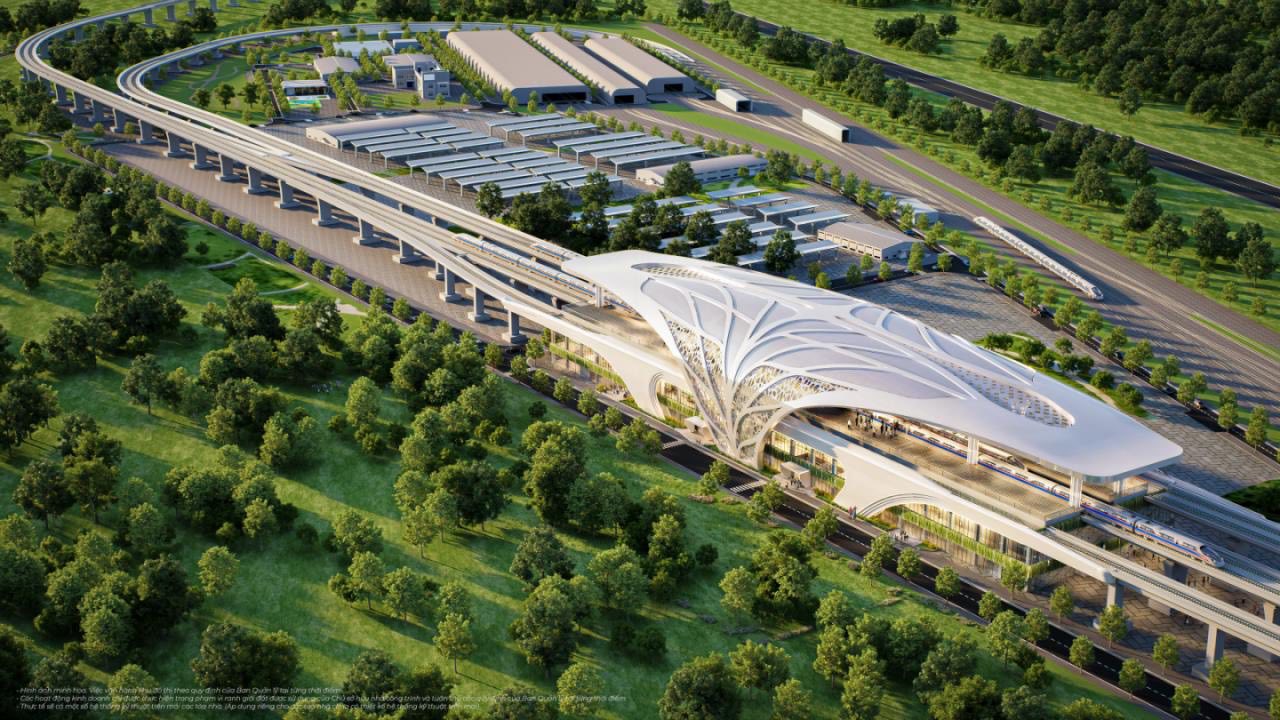
Ho Chi Minh City is fast tracking plans for a new metro line connecting its urban core to the coastal district of Can Gio, with a firm completion target set for the end of 2028.
The project, linking Ben Thanh to Can Gio, is being positioned as a major infrastructure upgrade that could reshape mobility, tourism, and real estate development in the city’s southern corridor.
A fast track project with tight timelines
Multiple departments have been given strict deadlines within March and early April to complete key steps, reflecting the urgency of keeping the project on schedule.
Authorities are also requiring close coordination between investors and government bodies to streamline approvals and avoid delays.
Transforming access to Can Gio
Once completed, the metro line is expected to dramatically reduce travel time between central Ho Chi Minh City and Can Gio to just 13 minutes.
This is a significant shift for a district currently accessible mainly by road, with longer and less predictable travel times.
The line will operate throughout the day, with trains running every 20 minutes and a total of seven train sets, including one reserve, ensuring consistent service.
More than transport, a strategic development play
Beyond mobility, the project is expected to unlock new economic potential.
Can Gio, known for its coastal ecosystem and tourism appeal, has long been seen as an underdeveloped area with significant growth potential. Improved connectivity could accelerate investment in tourism, real estate, and supporting infrastructure.
For the city, the metro line represents part of a broader strategy to expand development beyond the congested urban core.
Execution will be key
While the vision is ambitious, the timeline presents challenges.
Land clearance, compensation, and inter agency coordination remain critical factors that could determine whether the project stays on track. Authorities have made it clear that delays will carry accountability for relevant departments.
The bottom line
Ho Chi Minh City’s Can Gio metro line is shaping up to be one of Vietnam’s most transformative infrastructure projects.
If delivered on schedule, it could redefine how residents and visitors access the city’s coastal district while opening a new chapter in urban expansion and regional connectivity.
Related
Discover more from Vietnam Insider
Subscribe to get the latest posts sent to your email.