

A large scale drug trafficking case in Vietnam is shedding light on how criminal networks are adapting to digital platforms and urban infrastructure.
Authorities are prosecuting a ring accused of distributing more than 412 kg of cannabis, with transactions exceeding 92 billion VND (around $3.7 million). The operation spanned multiple cities, including Hanoi, Ho Chi Minh City, and Quang Ninh.
How the Operation Worked
At the center of the network was a coordinator who used Telegram to connect buyers and suppliers.
The model was structured and efficient:
- Products were advertised in private Telegram groups
- Customers placed orders via direct messages
- Payments were made through bank accounts or e-wallets
- Orders were fulfilled by separate storage and logistics teams
The organizer acted as an intermediary, earning commissions of 5 to 10 percent per transaction.
Urban Cover: Hiding in Plain Sight
One of the most striking elements of the case is how the network used high-end residential apartments as storage hubs.
- Apartments in major developments in Hanoi were rented as warehouses
- Locations were frequently changed to avoid detection
- Operations were split across multiple individuals to reduce traceability
In Ho Chi Minh City, similar methods were used, with drugs stored in private residences and moved regularly when suspicion arose.
Delivery System: Blending Into Everyday Logistics
The group leveraged existing delivery infrastructure to move products:
- Urban deliveries handled via ride-hailing logistics apps
- Intercity shipments sent through passenger transport services
- Products disguised inside everyday items such as tea and snack boxes
False identities were used for both senders and recipients, while handoffs were often conducted through lockers or pre-arranged drop points.
A Fragmented Network by Design
To minimize risk, the network operated on a compartmentalized model:
- Participants handled specific roles such as marketing, packaging, or delivery
- Individuals often did not know each other’s real identities
- Communication was limited to encrypted channels
This structure reflects a broader shift toward decentralized, tech-enabled criminal operations.
Legal Proceedings Underway
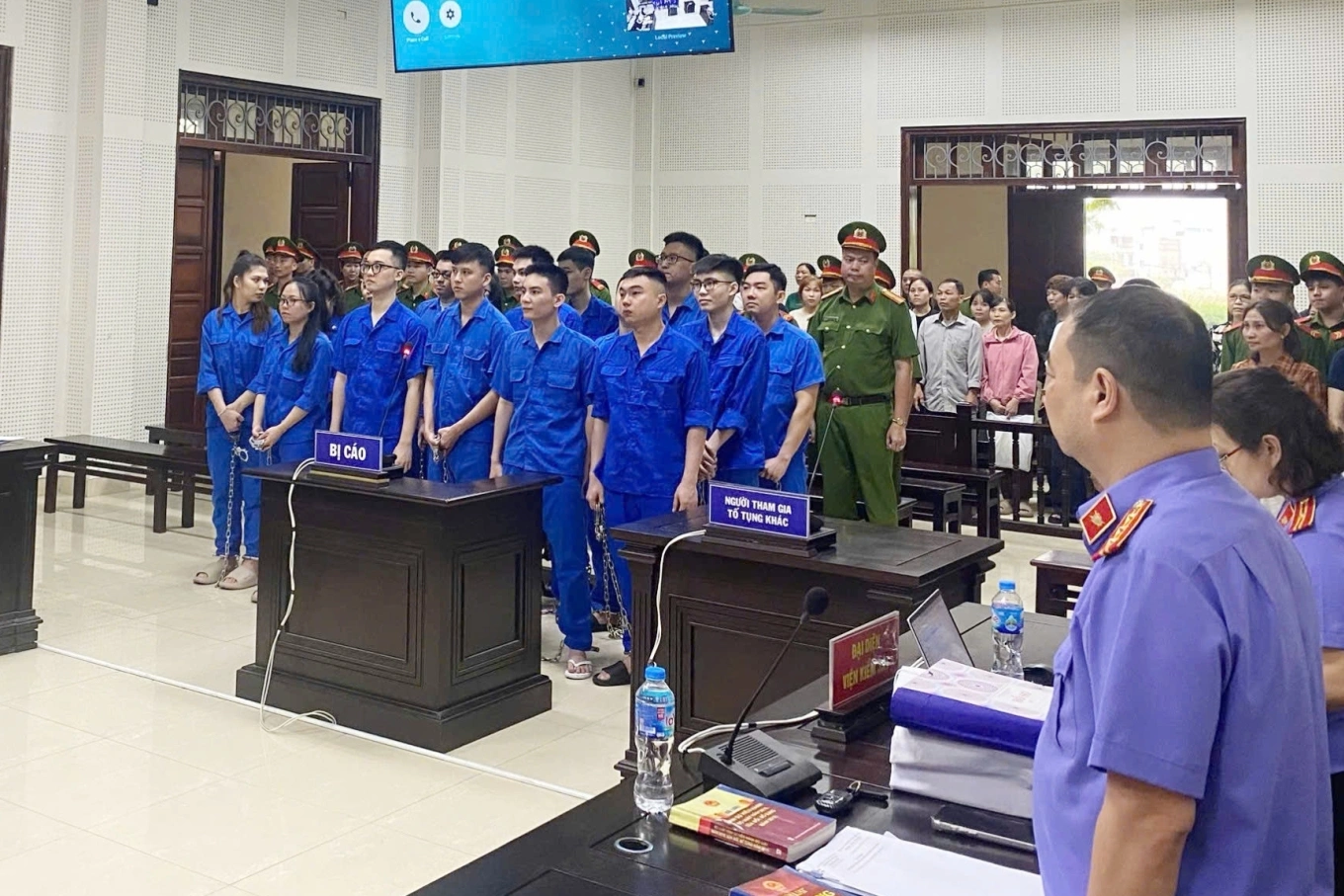
The case is currently being tried in Quang Ninh, involving 18 defendants.
All individuals have admitted their roles and expressed remorse, with a verdict expected soon.
Why This Matters
For international observers, the case highlights several key trends in Vietnam’s evolving enforcement landscape:
- Increasing use of encrypted platforms in illegal trade
- Blending of criminal activity into legitimate urban environments
- Stronger cross-regional coordination by law enforcement
It also signals that authorities are actively targeting not just physical trafficking routes, but also the digital ecosystems enabling them.
Bottom Line
This case illustrates how modern criminal networks can operate quietly within everyday environments, from messaging apps to upscale apartments.
At the same time, it underscores Vietnam’s intensifying efforts to track, disrupt, and prosecute these increasingly sophisticated operations.
Discover more from Vietnam Insider
Subscribe to get the latest posts sent to your email.