

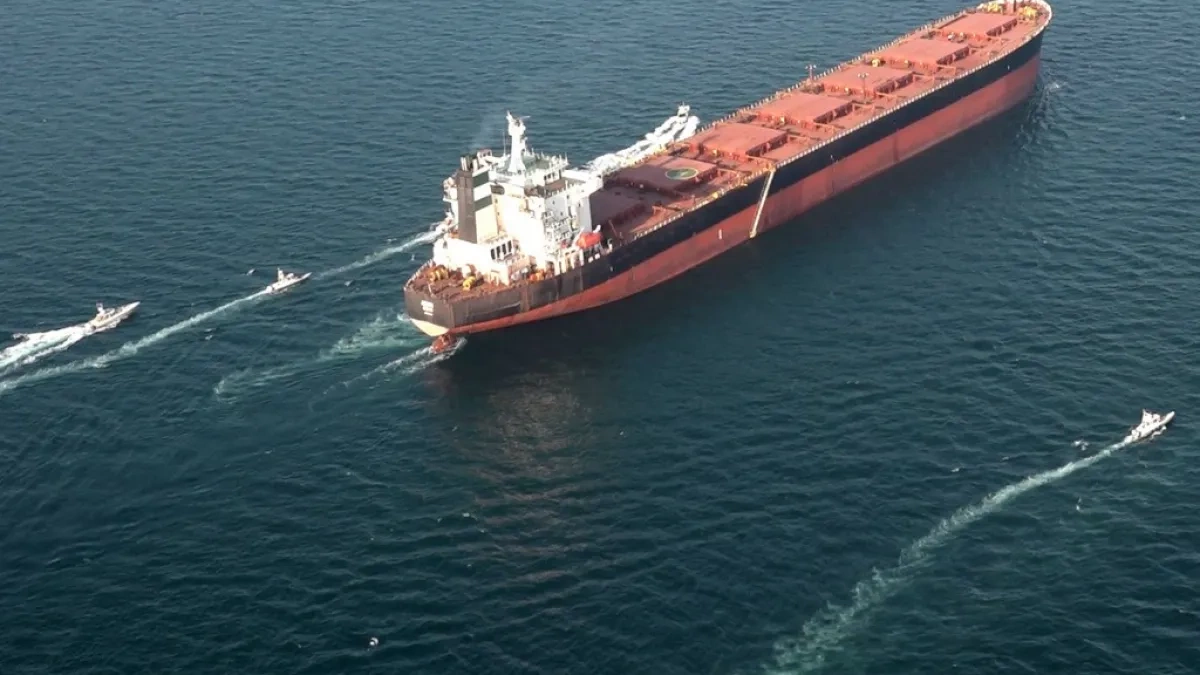
Global oil markets are bracing for a potential price spike to $100 per barrel after U.S. and Israeli airstrikes on Iran triggered fears of disruption in the Strait of Hormuz — the world’s most critical oil chokepoint.
Brent crude, the international benchmark, jumped 10% to around $80 per barrel in over-the-counter (OTC) trading on March 1. While OTC pricing is less liquid and can be volatile, it often reflects early market sentiment ahead of formal exchange reopening.
Several analysts warn that once full trading resumes, prices could move sharply higher — potentially approaching or exceeding $100 per barrel.
Why the Strait of Hormuz Matters
More than 20% of global oil supply — roughly 14 million barrels per day — flows through the Strait of Hormuz, linking the Persian Gulf with global markets, particularly Asia.
Following Tehran’s warning against vessel movement through the waterway, many tanker operators and energy majors have reportedly paused shipments of crude, fuel, and liquefied natural gas.
Ajay Parmar, energy director at ICIS, said that if disruptions persist, oil could open near $100 per barrel — and climb further.
How High Could Prices Go?
Analysts are split:
-
Helima Croft of RBC warned Middle Eastern leaders have cautioned Washington that escalation could push oil above $100.
-
Rabobank forecasts Brent holding above $90 in the near term.
-
Jorge Leon of Rystad Energy estimates prices could jump $20 on reopening, reaching around $92 per barrel.
Even with rerouting via Saudi Arabia and the UAE’s East-West pipelines, Leon calculates a potential supply shortfall of 8–10 million barrels per day if Hormuz closes.
OPEC+ Response: Limited Cushion
The OPEC+ group agreed to raise production by 206,000 barrels per day starting April. However, that increase equals less than 0.2% of global demand — unlikely to offset major disruption.
Implications for Asia and Global Business
Asia — the primary destination for Gulf exports — faces immediate exposure. Refiners and governments are reassessing strategic reserves and alternative supply routes.
Energy consultancy Kpler notes that India may increase purchases of Russian crude to mitigate potential Middle Eastern shortages.
For international investors and businesses operating in Vietnam and across Southeast Asia, the stakes are clear:
-
Higher oil prices could pressure inflation and transport costs.
-
Shipping insurance premiums may spike.
-
Energy-importing economies could face renewed currency volatility.
A Recurring Geopolitical Flashpoint
The Strait of Hormuz has repeatedly been a geopolitical pressure point — from the 1980s Iran-Iraq “Tanker War” to more recent vessel seizures and blockade threats.
History suggests the waterway rarely remains closed for extended periods. However, even short-lived disruptions can trigger sharp market reactions.
With global inventories already tighter than in previous years and geopolitical tensions escalating, energy markets are entering the week in defensive mode.
Discover more from Vietnam Insider
Subscribe to get the latest posts sent to your email.