

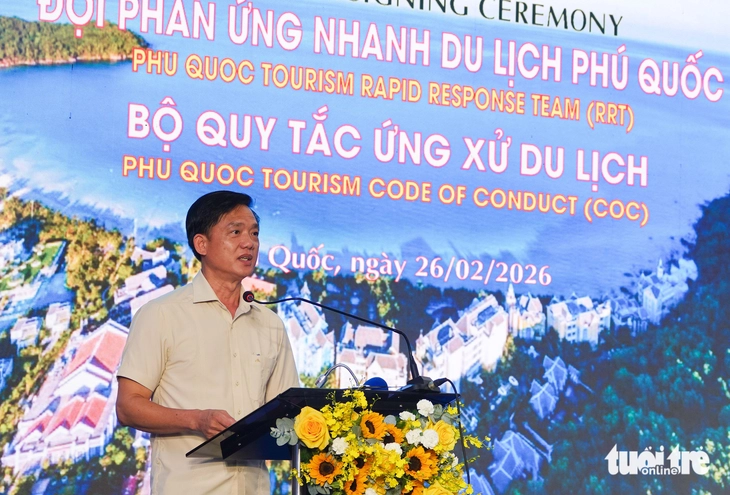
Vietnam’s premier island destination has launched a 24 hour rapid response unit to handle tourist complaints, intervene in pricing disputes, and protect visitor rights.
Authorities in Phu Quoc announced the formation of a dedicated Tourism Rapid Response Team this week, alongside a new tourism code of conduct for 2026.
The move comes as the island seeks to strengthen governance standards, restore confidence after recent service controversies, and prepare for increased international exposure ahead of APEC 2027.
Why the Team Was Created
Phu Quoc has experienced rapid growth over the past decade, transforming into a major resort and aviation hub. However, the island has also faced reputational setbacks.
Recent complaints have included
Last minute hotel booking cancellations
Peak season price surges
Disputes over card payments and service fees
Local officials acknowledged that handling incidents case by case was not enough. A permanent, institutional response mechanism was needed.
The new unit aims to deliver that.
What the Rapid Response Team Does
The Tourism Rapid Response Team operates 24 hours a day and is led by a deputy chair of the local administration.
Core functions include
Receiving and categorizing complaints in real time
On site intervention in pricing or service disputes
Supporting tourists in cases involving security concerns
Assisting with lost property and emergency situations
Providing legal guidance when necessary
Authorities have also introduced multilingual QR codes across tourism areas. Visitors can scan the code to submit complaints or feedback directly, reducing language barriers for international travelers.
International Tourists Are Watching
An English visitor recently cited a case where a friend experienced a delayed refund after a disputed card transaction at a resort. According to local officials, the rapid response team intervened and facilitated resolution.
Such examples are being used to signal stronger consumer protection standards.
Phu Quoc’s leadership framed the initiative as a commitment to transparency, professionalism, and ethical business conduct across hotels, restaurants, tour operators, and attractions.
Why This Matters for Investors
Phu Quoc sits within An Giang Province and is one of Vietnam’s most strategically positioned tourism assets. The island competes regionally with destinations such as Phuket and Bali.
For international hotel brands, real estate investors, and aviation stakeholders, governance quality is increasingly as important as infrastructure.
Key signals from the new initiative include
Stronger regulatory oversight
Faster dispute resolution
Proactive reputation management
Alignment with international event standards
Hosting APEC 2027 will place Phu Quoc under global scrutiny. Ensuring transparent pricing and fair treatment of tourists is essential to sustaining premium positioning.
A Shift Toward Institutional Tourism Governance
Vietnam’s tourism sector is moving beyond growth at any cost. The focus is shifting toward sustainable brand protection and service quality control.
By formalizing a rapid intervention unit rather than relying solely on complaint hotlines or social media monitoring, Phu Quoc is signaling a more structured approach to tourism management.
The island’s message is clear. Growth must be matched with accountability.
For international visitors and investors alike, that commitment may prove just as important as beaches and resort developments.
Related
Discover more from Vietnam Insider
Subscribe to get the latest posts sent to your email.