

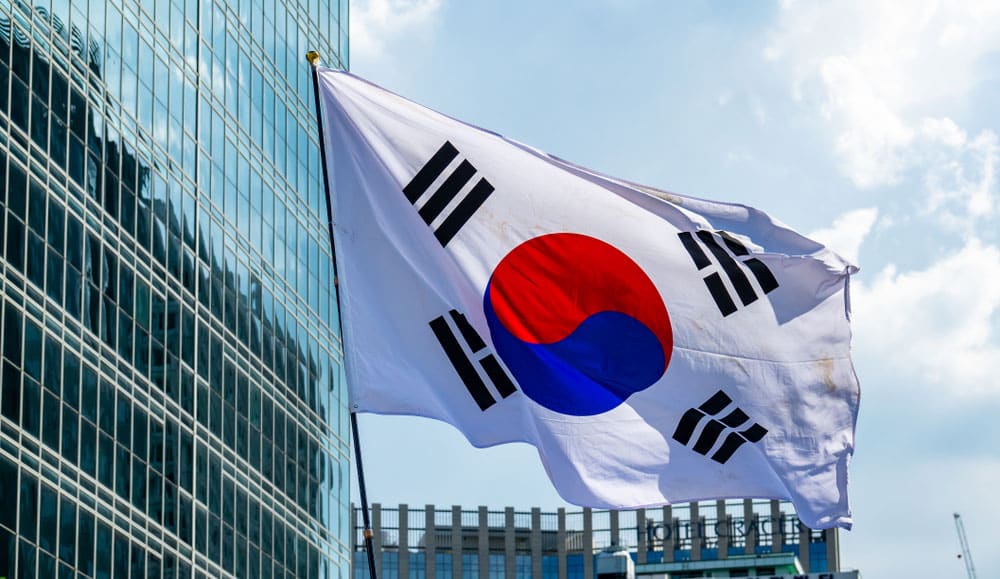
South Korea is rolling out more relaxed visa policies for Vietnamese travelers as part of a broader strategy to dramatically increase international arrivals.
The move is part of a national tourism initiative aimed at attracting up to 30 million foreign visitors, up from around 19 million last year. Vietnam is among 11 priority markets targeted in this latest policy shift, alongside China and other Southeast Asian countries.
Easier access for repeat travelers
One of the most significant changes is the expansion of multi entry visas.
Travelers from Vietnam who have previously visited South Korea may now qualify for five year multiple entry visas, making repeat travel far more convenient.
In addition, residents of selected major cities in Vietnam, including Hanoi, could see visa validity extended up to ten years. While full details have yet to be finalized, the direction is clear: reduce friction and encourage more frequent visits.
A regional strategy targeting Southeast Asia
The visa changes are part of a wider effort to tap into fast growing outbound travel markets across Asia.
Southeast Asia, in particular, is seen as a high potential region due to rising middle class incomes and increasing demand for international travel. Vietnam has emerged as one of the most dynamic outbound markets, making it a key focus for Korean tourism authorities.
For comparison, South Korea is also piloting visa free group travel for Indonesian tourists, highlighting a broader regional approach to lowering entry barriers.
Fixing the “Seoul concentration” problem
Currently, more than 80 percent of international visitors stay primarily in the capital. To address this imbalance, South Korea plans to expand international routes to regional airports and improve domestic connections.
This includes increasing flights from Incheon to other cities and boosting direct international access to destinations such as Busan and Jeju.
What this means for Vietnamese travelers
For Vietnamese tourists, the changes could translate into:
Simpler visa applications, especially for repeat visitors
Longer validity periods for travel documents
More flight options and easier access to destinations beyond Seoul
These improvements come at a time when travel demand between Vietnam and South Korea is already strong, driven by tourism, business, and cultural ties.
The bottom line
South Korea’s visa relaxation signals intensifying competition across Asia to attract high value tourists.
For Vietnam’s growing outbound travel market, the changes make South Korea an even more accessible and attractive destination.
For the broader tourism industry, it is another sign that convenience, connectivity, and policy flexibility are becoming key battlegrounds in the race for global travelers.
Related
Discover more from Vietnam Insider
Subscribe to get the latest posts sent to your email.