

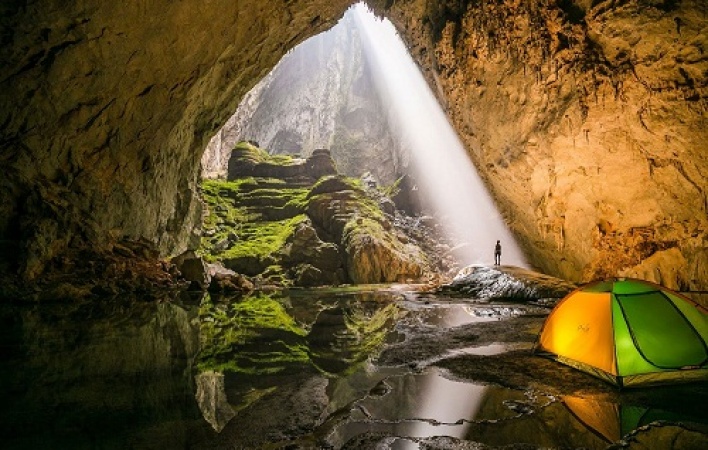
Vietnam is positioning itself as a future eco-tourism powerhouse in Southeast Asia, leveraging its rich biodiversity, policy reforms, and growing appeal among environmentally conscious travelers.
With a strategic shift toward sustainable travel, the country is aligning tourism growth with environmental protection, a balance increasingly critical in today’s global travel landscape.
A Strategic Shift Toward Sustainable Travel
In recent years, Vietnam has moved beyond traditional mass tourism, placing stronger emphasis on nature-based and eco-friendly experiences.
This transition is backed by national policy:
- A long-term tourism master plan through 2030 with vision to 2050
- Focus on conservation alongside economic development
- Promotion of “green tourism” products across regions
The goal is clear: grow tourism without repeating the overdevelopment seen in other destinations.
A Natural Advantage: Biodiversity and Landscapes
Vietnam’s eco-tourism ambitions are grounded in its natural assets.
- Ranked among the top 20 most biodiverse countries globally
- Home to more than 30 national parks and numerous nature reserves
- Landscapes range from mountains and forests to coastlines and river deltas
Key destinations include:
- Phong Nha-Ke Bang National Park, known for its cave systems
- Cuc Phuong National Park, one of the country’s oldest reserves
- Ba Be National Park, featuring lakes and forest ecosystems
These locations offer experiences such as trekking, birdwatching, and ecological exploration, attracting a growing niche of global travelers.
Community Driven Tourism Models
A defining feature of Vietnam’s eco-tourism strategy is the involvement of local communities.
In areas like Sa Pa:
- Ethnic minority communities operate homestays
- Visitors engage in daily life and cultural traditions
In the Mekong Delta:
- Locals guide tours through river systems and mangrove forests
- Tourism creates alternative income while reinforcing conservation
This model ensures that economic benefits are shared while encouraging long term environmental stewardship.
Why It Matters for Global Travelers
Vietnam’s eco-tourism push aligns with key global trends:
- Rising demand for sustainable and authentic travel experiences
- Preference for destinations with strong environmental credentials
- Increased interest in community based tourism
For international visitors, Vietnam offers a combination of accessibility, affordability, and ecological diversity that is difficult to match in the region.
Challenges Ahead
Despite strong potential, several challenges remain:
- Balancing visitor growth with environmental protection
- Ensuring consistent standards across regions
- Preventing over commercialization of natural sites
Addressing these will be critical to maintaining credibility as a sustainable destination.
Bottom Line
Vietnam is not just promoting eco-tourism, it is restructuring its tourism model around it.
With strong natural assets, supportive policies, and community engagement, the country is well positioned to become one of Southeast Asia’s leading eco-tourism destinations, if it can sustain the balance between growth and conservation.
Discover more from Vietnam Insider
Subscribe to get the latest posts sent to your email.