

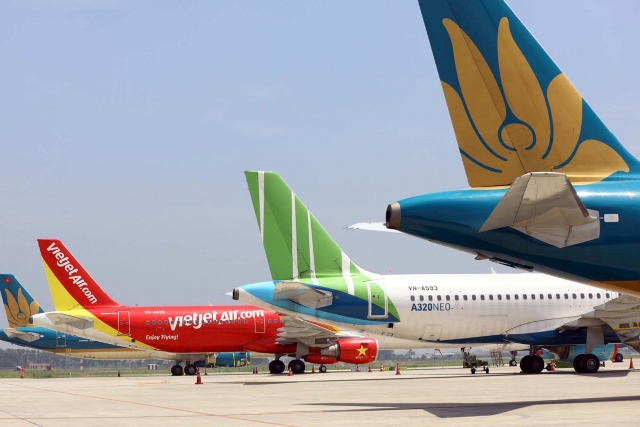
Vietnam’s aviation sector is bracing for disruption as fuel shortages and rising costs push airlines to cut domestic flights and reassess pricing strategies.
Starting April 1, Vietnam Airlines is expected to suspend several domestic routes as the supply of Jet A1 fuel tightens and prices continue to climb.
Routes cut as airlines prioritize core connections
The national carrier plans to temporarily halt a number of routes, including connections from Hai Phong to destinations such as Buon Ma Thuot, Cam Ranh, Phu Quoc, and Can Tho, as well as routes linking Ho Chi Minh City with Van Don, Rach Gia, and Dien Bien.
In total, around 23 flights per week will be affected.
Airlines are shifting capacity toward key trunk routes and essential connections that support economic activity, tourism, and intercity mobility.
Fuel crisis reshaping airline strategy
The cuts come as jet fuel supply faces increasing strain, with prices in Asia rising sharply.
Recent data shows Jet A1 prices in Singapore hovering between 220 and 230 USD per barrel, reflecting tightening supply conditions and ongoing geopolitical tensions in the Middle East.
For airlines, fuel is one of the largest operating costs, meaning even modest increases can significantly impact profitability and route viability.
Ticket prices likely to rise
To offset rising costs, Vietnamese airlines are preparing to introduce fuel surcharges on international routes as early as April.
Some carriers may incorporate these increases directly into base fares, while others are expected to apply separate surcharges depending on distance and class of service.
Globally, more than 60 percent of airlines have already implemented or are planning similar adjustments, with fare increases typically ranging from 5 percent to 20 percent.
Industry wide adjustments underway
Other carriers are also adapting.
Bamboo Airways, for example, is concentrating resources on high demand routes such as Hanoi, Ho Chi Minh City, and Da Nang, along with popular leisure destinations like Quy Nhon and Cam Ranh. While peak routes will be maintained, flight frequency may be reduced if fuel prices continue to rise.
Cargo operations are also affected, with fuel surcharges being applied on a per kilogram basis.
Pressure builds on policymakers
Vietnamese airlines are calling for government support to ease the burden of rising fuel costs.
Proposals include reducing environmental taxes, maintaining zero import duties on aviation fuel from outside ASEAN, and offering financial support measures such as tax deferrals and loan restructuring.
These measures are seen as critical to maintaining operational stability during a period of volatility.
The bottom line
Vietnam’s aviation market is entering a period of adjustment driven by external shocks in energy supply and geopolitics.
For travelers, this means fewer flight options and higher fares in the near term. For the industry, it highlights the vulnerability of aviation to global fuel dynamics and the importance of policy support in times of crisis.
Related
Discover more from Vietnam Insider
Subscribe to get the latest posts sent to your email.