

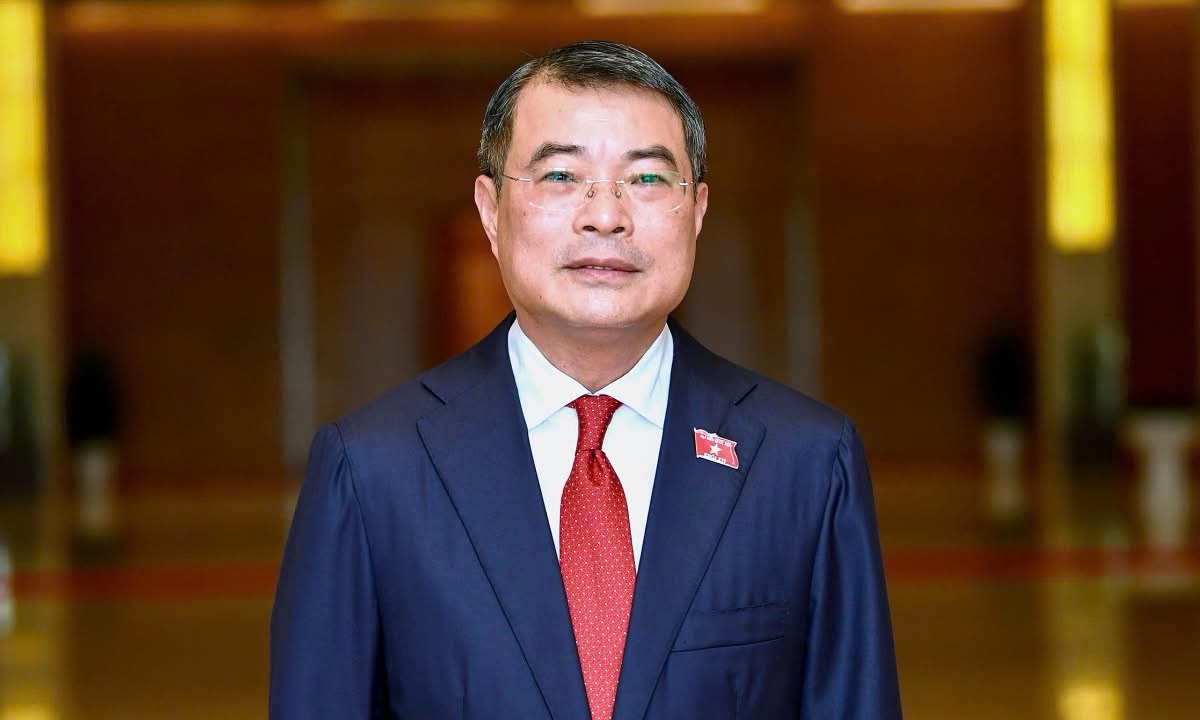
Le Minh Hung’s rise signals aggressive reform push and high-growth ambitions for Southeast Asia’s emerging economic powerhouse
Vietnam has appointed a new prime minister with a bold mandate: accelerate growth beyond regional peers and unlock the next phase of its economic rise. The elevation of Le Minh Hung signals a decisive shift toward deeper reforms, digital transformation, and pro-business policies—moves that global investors and multinational corporations are watching closely.
On April 7, Vietnam’s National Assembly unanimously approved Hung as prime minister, marking a rare show of political consensus at a time when Southeast Asia is increasingly central to global supply chains. In his inaugural address, Hung pledged absolute loyalty to the constitution and a results-driven government focused on “breakthrough development,” positioning Vietnam not just as a manufacturing hub, but as a competitive, innovation-led economy.
The appointment comes as Vietnam enters a critical 2026–2031 period shaped by ambitions set at the Communist Party of Vietnam Congress. Hung outlined a strategy centered on institutional reform, administrative simplification, and unlocking private-sector capital—long cited as bottlenecks to growth. His government aims to build a “modern, enabling state,” cutting red tape while improving regulatory clarity, a key demand from foreign investors navigating Vietnam’s fast-evolving market.
Most striking is the economic target: average GDP growth exceeding 10% annually over the next five years. That would place Vietnam among the fastest-growing economies globally, far above current regional averages. To achieve this, Hung emphasized science, technology, innovation, and national digital transformation as primary growth engines—aligning Vietnam with global trends toward AI, fintech, and advanced manufacturing.
Hung’s background suggests continuity with financial and institutional reform. A former governor of the State Bank of Vietnam, he played a key role in stabilizing Vietnam’s banking system and strengthening international cooperation. His technocratic experience is expected to reassure investors concerned about policy execution, particularly as Vietnam competes with countries like India and Indonesia for foreign direct investment.
Beyond economic targets, the new administration is also reshaping governance. A new two-tier local government system, effective since mid-2025, is expected to decentralize decision-making and improve execution at the provincial and municipal levels—critical for infrastructure, real estate, and industrial zone development. Hung has declared 2026 a year focused on improving grassroots administrative capacity, signaling a push to translate policy into tangible outcomes.
Hung also stressed governance integrity as a core pillar, linking economic performance directly to public trust. His commitment to a “clean, disciplined, and accountable” administration reflects Vietnam’s ongoing anti-corruption drive, which has become a defining feature of its political landscape and a key factor in investor confidence.
For global stakeholders, the message is clear: Vietnam is entering a more ambitious phase of development, combining political stability with reform momentum. The question now is whether execution can match ambition. If Hung delivers on even part of his 10% growth vision, Vietnam could redefine its role in the global economy—from a fast-growing market to a strategic economic powerhouse.
Discover more from Vietnam Insider
Subscribe to get the latest posts sent to your email.