

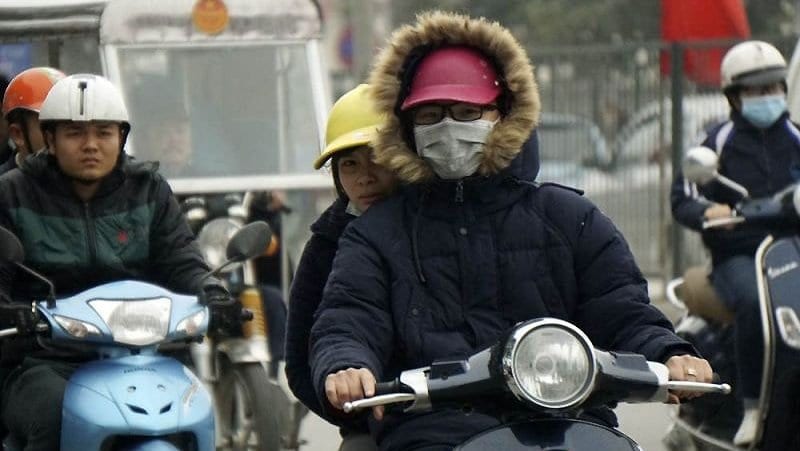
Sudden Arctic-style cold snap disrupts travel, farming, and shipping across northern Vietnam
Northern Vietnam is experiencing one of its sharpest temperature drops in recent years, as a powerful cold front sent temperatures plunging by as much as 12 degrees Celsius overnight—an event that is drawing attention well beyond the country’s borders.
For international investors, travelers, and supply-chain operators, the sudden cold spell highlights Vietnam’s growing exposure to extreme weather volatility, a factor increasingly relevant to tourism planning, agricultural output, logistics, and climate-risk assessments across Southeast Asia.
The cold wave swept across the region early today, bringing rain, strong winds, and a biting chill. At Mau Son, temperatures dropped to just 2.5°C, more than 12°C lower than the previous day. Several northern mountainous districts—including parts of Cao Bang, Lai Chau, and Lang Son—reported temperatures between 6°C and 8°C, levels more typical of East Asian winters than tropical Vietnam.
Even Hanoi felt the shock. Weather stations across the capital recorded lows of 12–13°C, a dramatic fall that caught many residents off guard in a city not built for sustained cold. Forecasts indicate that tonight and tomorrow will mark the peak of the cold spell, with daytime recovery expected only gradually.
According to the national meteorological agency and U.S.-based AccuWeather, northern lowland areas are expected to hover between 10–14°C, while high-altitude destinations such as Sa Pa may see temperatures dip to as low as 6°C. Frost is a growing concern in elevated regions, raising risks for crops and livestock at a critical point in the winter growing cycle.
The cold front is also intensifying maritime conditions. Strong winds and waves up to six meters are forecast across the northern and central areas of the South China Sea, including the Gulf of Tonkin, posing risks to fishing fleets, offshore operations, and regional shipping routes during a period of already heightened logistical sensitivity.
Beyond the immediate discomfort, the broader implications are significant. Authorities warn that prolonged cold and heavy rain could slow agricultural production, damage crops, and increase the risk of flooding, landslides, and urban waterlogging—particularly in industrial zones and rapidly urbanizing areas of central Vietnam.
As climate variability accelerates, this abrupt cold snap serves as a reminder that Vietnam’s economic resilience—across tourism, agriculture, and trade—will increasingly depend on how well businesses and policymakers adapt to weather extremes once considered rare. The question now is not whether such shocks will return, but how prepared the country—and its global partners—will be when they do.
Discover more from Vietnam Insider
Subscribe to get the latest posts sent to your email.