

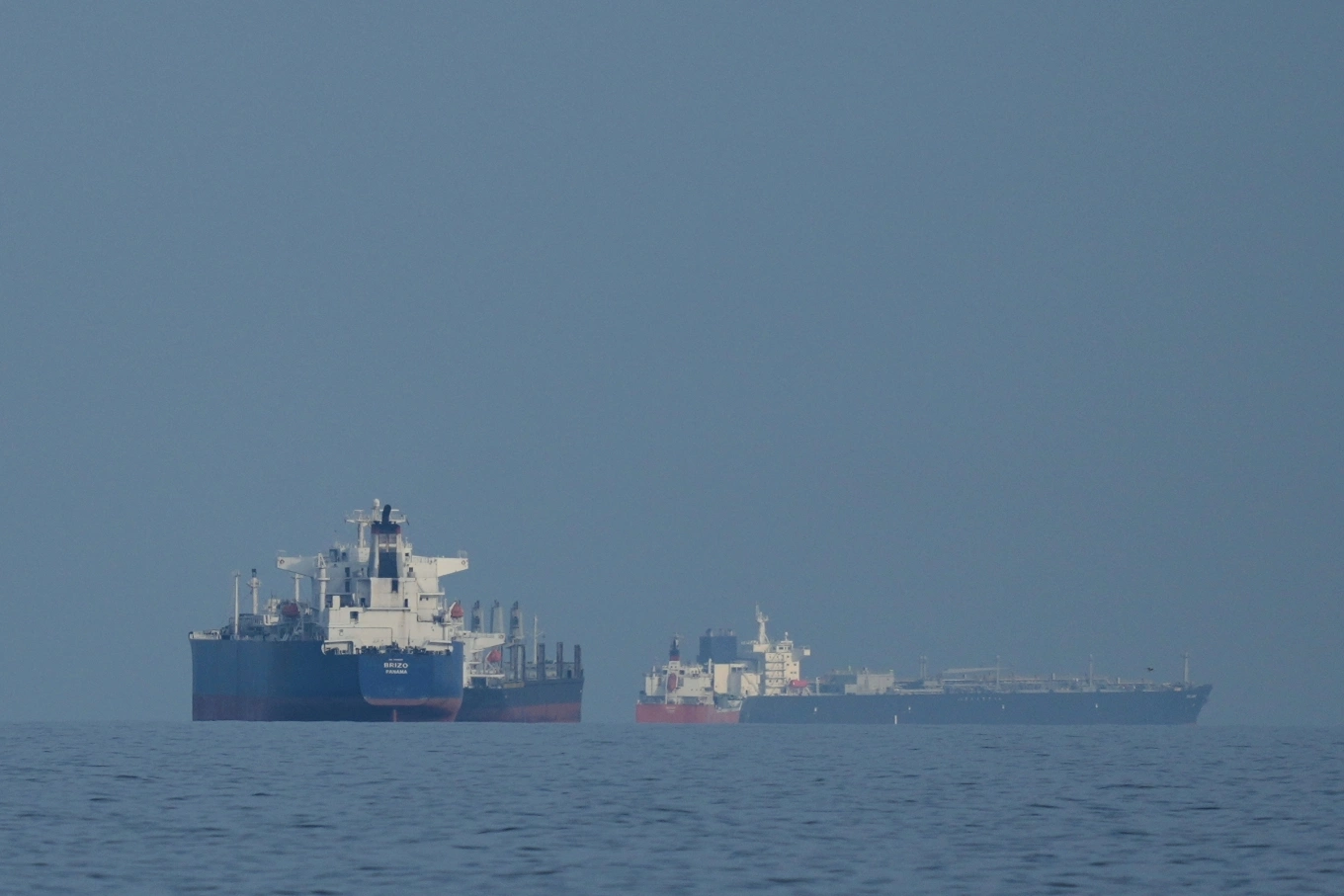
Hanoi engages Iran to protect vessels and citizens as global oil route faces disruption
As tensions in the Middle East threaten one of the world’s most critical energy chokepoints, Vietnam is moving swiftly to safeguard its shipping and citizens—highlighting how even distant economies are exposed to geopolitical shocks in the Strait of Hormuz, through which roughly 20% of global oil flows.
Vietnam’s Ministry of Foreign Affairs confirmed it is working directly with Iranian authorities to ensure safe passage for Vietnamese vessels and seafarers navigating the volatile waterway. Spokesperson Pham Thu Hang said all Vietnamese ships in the region remain safe, while diplomatic missions across the Middle East are closely monitoring developments and maintaining continuous contact with crews.
Hanoi has formally requested Tehran to facilitate safe transit and support the evacuation of Vietnamese vessels and workers from high-risk zones. Iranian authorities are reportedly processing the necessary procedures, while Vietnam is coordinating with shipping companies to meet technical and security requirements for movement through the strait as quickly as possible.
The urgency reflects escalating regional instability following military strikes involving the United States and Israel in late February, which triggered a broad Iranian retaliation campaign targeting military and energy infrastructure. In response, Iran has effectively tightened control over the Strait of Hormuz, allowing only “non-hostile” vessels to pass under strict coordination and security protocols.
For Vietnam, a trade-dependent economy deeply integrated into global supply chains, the stakes are significant. Disruptions in Hormuz not only threaten shipping routes but also risk driving up energy prices, impacting inflation, manufacturing costs, and export competitiveness across Southeast Asia. The government has already assisted 556 Vietnamese citizens stranded in the region, while preparing contingency plans for further evacuations if conditions deteriorate.
Beyond Vietnam, the situation underscores a broader reality: geopolitical flashpoints in strategic maritime corridors can ripple across global markets within days. For investors and businesses, the Hormuz crisis is not just a regional conflict—it is a stress test for energy security, logistics resilience, and the fragility of interconnected trade systems.
If tensions persist or escalate, the key question is no longer whether global supply chains will feel the impact—but how quickly companies and governments can adapt to a world where critical trade routes can be disrupted overnight.
Discover more from Vietnam Insider
Subscribe to get the latest posts sent to your email.