

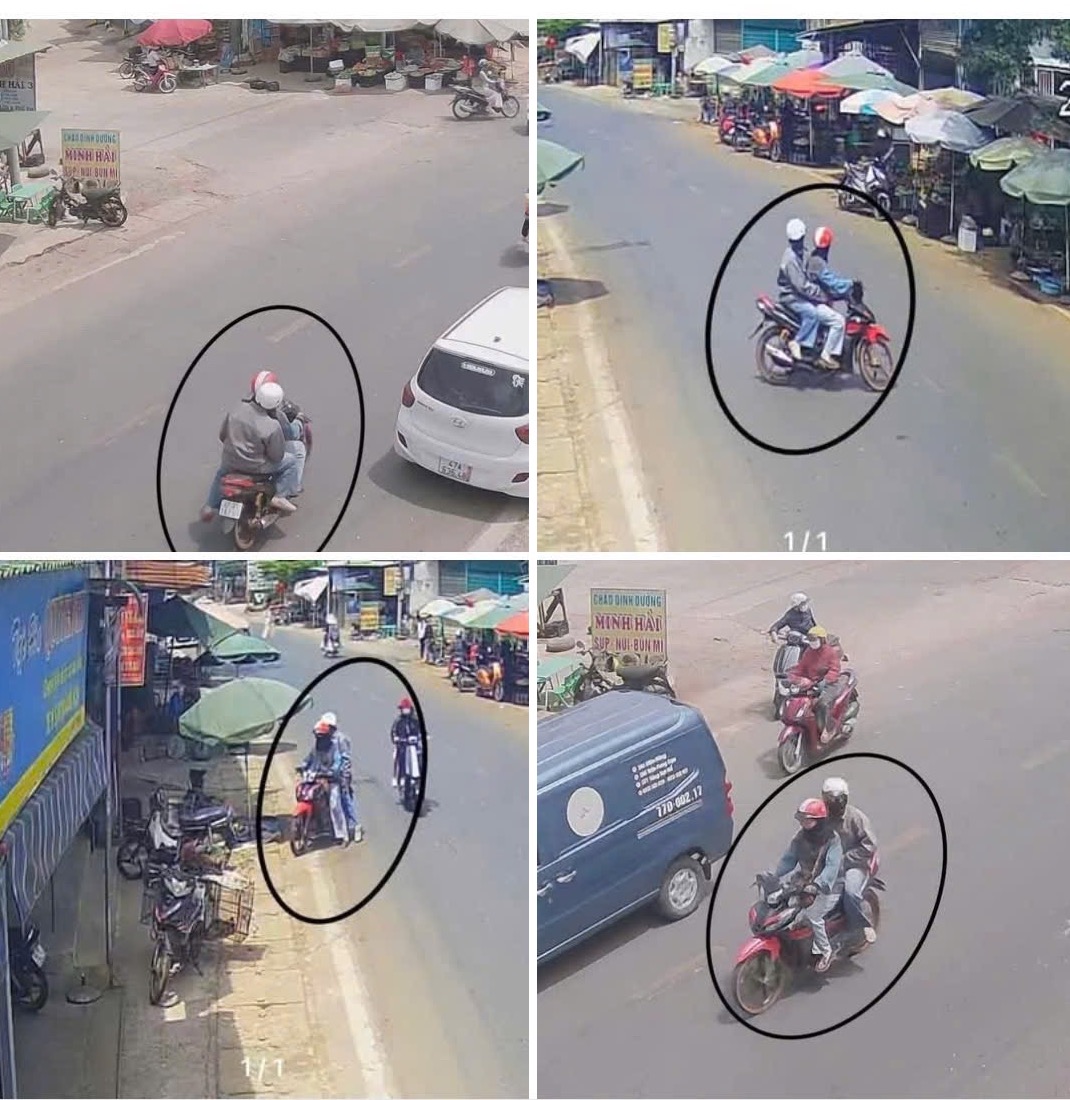
Police in Vietnam’s Central Highlands have officially dismissed viral social media claims of a so-called “knockout spray” or hypnosis robbery at a local market in Dak Lak Province, confirming the incident was based on misinformation.
Authorities in Krông Pắk District stated there is no evidence of drugging, hypnosis, or attempted robbery, and are now investigating the social media account responsible for spreading the allegations.
What Actually Happened
On February 25, a 33-year-old woman and her mother traveled to Krông Pắk to look for a man the daughter had previously met online via Facebook. According to police verification, the two were attempting to clarify a personal dispute after suspecting the man had misrepresented himself.
The pair asked for information at several locations, including a warehouse, roadside shops, and eventually a small local market where they were told the man might have relatives.
While they were speaking to a stall owner and showing a photo from a phone for identification, the shopkeeper suddenly fainted.
At the time, rumors were already circulating locally about alleged “hypnosis” or “drug spraying” thefts. The fainting incident quickly fueled suspicion among bystanders, leading to crowd gathering and speculation. Concerned for their safety, the mother and daughter left the area.
Social Media Amplification
Two days later, the daughter discovered a Facebook post circulating her image and alleging involvement in a robbery attempt using chemical spray or hypnosis.
Police confirmed:
-
Both women have clear identities and stable employment.
-
They have no criminal record.
-
There is no evidence linking them to any drugging or robbery attempt.
-
The stall owner’s fainting has no established connection to the two women. Medical authorities will determine the cause.
Legal Implications for False Information
Vietnamese authorities are increasingly active in addressing online misinformation, particularly claims that damage individual reputations or trigger public alarm.
Local police have stated they are reviewing and handling the account responsible for posting and sharing false content under Vietnam’s cyber and defamation regulations.
Why This Matters
For international observers, investors, and expatriates in Vietnam, the case underscores two important realities:
-
Viral claims — especially those involving sensational criminal tactics — can spread quickly before verification.
-
Authorities are taking a firmer stance on digital misinformation, particularly when it affects public order or personal reputation.
Dak Lak remains a largely rural province known for agriculture and coffee production rather than organized crime. Officials emphasized that there is no evidence of organized “spray and rob” tactics in the area.
The case serves as a reminder that in Vietnam’s fast-growing digital landscape, rumors can escalate rapidly — but so can official response.
Discover more from Vietnam Insider
Subscribe to get the latest posts sent to your email.