

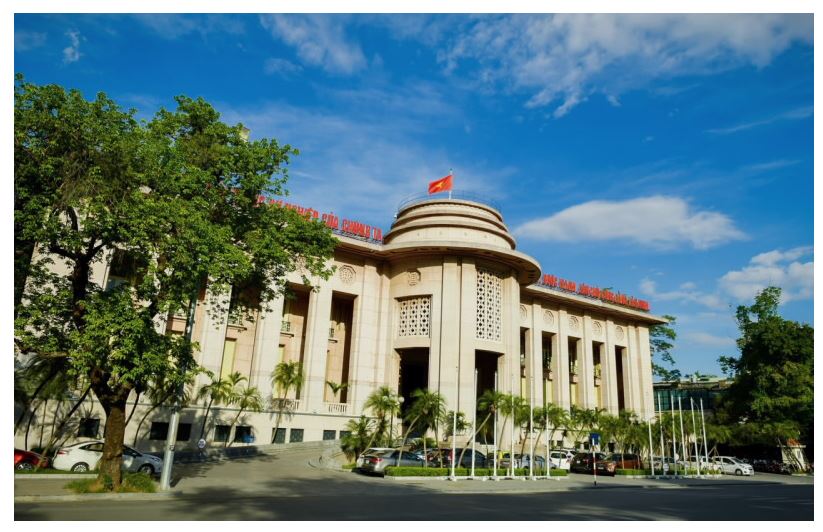
U.S. tariffs, volatile Fed policy, and global market uncertainty complicate Vietnam’s push for double-digit growth in 2026.
Vietnam’s ambition to accelerate economic growth to more than 10% next year is facing mounting external pressure, as global monetary tightening and geopolitical trade risks make policy calibration increasingly difficult, senior officials from the State Bank of Vietnam (SBV) warned this week. The comments underscore the growing challenge for export-driven Southeast Asian economies navigating a fragile global recovery.
Speaking at a quarterly press conference in Hanoi on December 29, Pham Chi Quang, head of the SBV’s Monetary Policy Department, said unpredictable developments in global markets—particularly U.S. tariff policy and the U.S. Federal Reserve’s interest-rate trajectory—are complicating Vietnam’s macroeconomic management. These external shocks, he noted, are already affecting capital flows, the foreign-exchange market, and exchange-rate stability.
Vietnam’s government has reaffirmed confidence that the economy will surpass 8% growth in 2025, one of the strongest performances in Asia, and has set an ambitious 10%+ target for 2026 as part of its long-term development strategy. However, the central bank’s remarks signal that sustaining such momentum will require increasingly delicate policy coordination.
SBV officials emphasized that monetary policy next year will be managed “flexibly,” with closer alignment to fiscal policy to balance growth support against inflation control and financial stability. For Vietnam, this balancing act is critical: the economy remains heavily dependent on bank credit to fuel investment, consumption, and industrial expansion.
Deputy Governor Pham Thanh Ha revealed that as of December 24, credit growth had surged 19.41% year-on-year, highlighting the central role of lending in driving economic output. He said strong credit expansion has been a key contributor to Vietnam’s rapid growth this year and will remain essential if the country is to reach double-digit expansion in 2026.
For global investors, the message is mixed. Vietnam continues to stand out as one of Asia’s fastest-growing economies and a major beneficiary of supply-chain diversification. Yet its growth outlook is increasingly exposed to forces beyond its control—from U.S. interest rates and tariffs to shifting global capital flows.
The bigger question now is whether Vietnam can fine-tune monetary policy tightly enough to shield its economy from global volatility—while still pushing growth into the rare territory of double digits in an uncertain world economy.
Discover more from Vietnam Insider
Subscribe to get the latest posts sent to your email.