

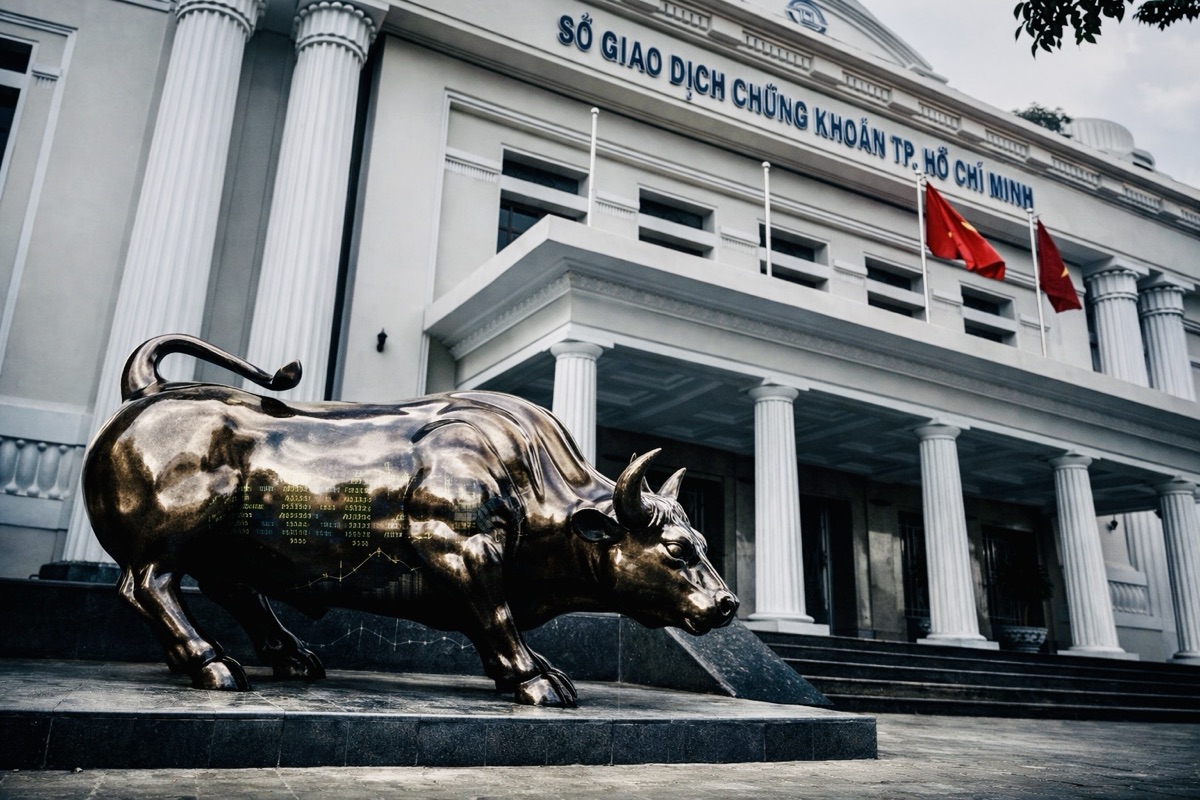
New regulatory reforms clear final barriers as Vietnam enters decisive phase of Emerging Market reclassification
Vietnam’s long-awaited elevation into the global emerging market club is entering its final stretch—and one of the country’s leading brokerage houses believes the outcome is already decided. According to Vietcap Securities, the probability that Vietnam fails the upcoming FTSE Russell mid-term review in March 2026 is effectively zero.
For international investors, this is not a symbolic milestone. A reclassification from Frontier Market to Secondary Emerging Market status would reposition Vietnam within global capital allocation frameworks, potentially unlocking billions in passive fund inflows and reshaping portfolio weightings across Asia.
The process now hinges on two key meetings: the FTSE Equity Country Classification Advisory Committee on March 3, followed by the FTSE Russell Policy Advisory Board on March 19. The official outcome will be announced on April 7. Vietcap maintains that the mid-term review is largely procedural after the Ministry of Finance issued Circular No. 08/2026, which took effect on February 3 and removed the final operational hurdles cited by international investors.
The most consequential reform allows foreign institutional investors to place orders through a global broker without having to open a direct trading account at a local Vietnamese securities firm. Previously, administrative burdens—including local KYC procedures—acted as friction points for large index-tracking funds. Under the new framework, funds such as those managed by Vanguard can rely on internationally approved brokers that have pre-cleared domestic counterparties, dramatically reducing onboarding complexity.
Another technical issue under review is Non-Prefunding (NPF) capacity—the ability of local securities firms to execute trades without full pre-funding. Based on regulatory limits, Vietcap estimates that the five largest Vietnamese brokerages collectively have nearly $5 billion in NPF capacity, comfortably above the roughly $1.5 billion expected to be required by passive index funds. Moreover, inflows are expected to be staggered across multiple tranches rather than deployed in a single wave, reducing liquidity strain.
FTSE projections published in late 2025 suggest Vietnam could carry a weighting of 0.34% in the FTSE Emerging All Cap Index and 0.22% in the FTSE Emerging Index. While these figures may appear modest, inclusion would formally integrate Vietnam into benchmark portfolios used by global pension funds, sovereign wealth funds, and ETFs tracking emerging markets.
A preliminary screening list includes heavyweight names such as Vingroup, Vinhomes, Hoa Phat Group, Masan Group, Vietcombank, and Vinamilk, among others. Final eligibility will depend on updated liquidity, foreign ownership limits, and free float data, with the official list scheduled for release in August 2026.
For global asset managers, Vietnam’s upgrade would represent more than incremental index weight. It would signal regulatory maturity, operational alignment with international standards, and deeper integration into global capital markets at a time when supply chain realignments and Southeast Asia’s growth narrative are drawing renewed attention.
The key question now is not whether Vietnam passes—but how markets will price in the transition before passive capital fully arrives. If history from other market upgrades is any guide, the most significant returns often occur before the official reclassification takes effect.
Discover more from Vietnam Insider
Subscribe to get the latest posts sent to your email.