

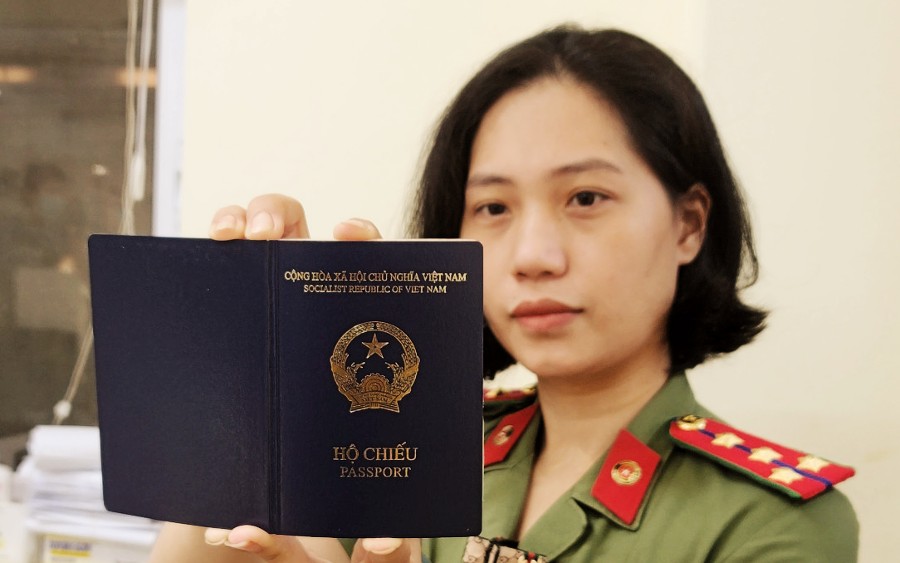
Vietnam rises to 86th in the 2026 Henley Passport Index, signaling deeper global integration despite fewer visa-free destinations.
Vietnam’s passport has just reached its strongest position in five years—an under-the-radar development that matters far beyond tourism. In the newly released 2026 Henley Passport Index, Vietnam climbed to 86th place, a five-rank jump that reflects not only mobility trends but also the country’s growing economic integration at a time when global travel, investment, and talent flows are accelerating.
Updated on January 13, the 2026 index places Vietnam ahead of its 2025 ranking of 91st, marking its highest standing since 2020. While Vietnamese citizens currently enjoy visa-free or simplified entry to 49 destinations—down slightly after Bolivia removed visa-free access—the upward move underscores a broader recalibration of global openness rather than a simple tally of border access.
According to the Henley Passport Index, passport strength increasingly mirrors diplomatic reach, trade connectivity, and a country’s perceived stability. Vietnam now ranks 80th globally for national openness, offering visa-free entry to nearly 40 nationalities—an indicator closely watched by multinational employers, investors, and expatriates assessing long-term mobility risk in Southeast Asia.
Most visa-free and visa-on-arrival destinations for Vietnamese travelers remain concentrated in ASEAN and emerging markets, including Singapore, Thailand, Malaysia, Indonesia, and fast-growing island economies such as the Maldives and Cape Verde. While these routes may seem limited compared with advanced economies, they align closely with Vietnam’s trade corridors, outbound labor flows, and tourism expansion strategy.
Historically, Vietnam’s passport peaked at 78th in 2006–2007, before global security shifts and tighter visa regimes reshaped mobility worldwide. Against that backdrop, the current rebound suggests gradual recovery rather than stagnation—especially as Asia-Pacific resumes its role as the engine of global travel growth.
At the top of the global ranking, Singapore retains its position as the world’s most powerful passport, with access to 192 destinations, followed by Japan, South Korea, and a cluster of EU states. The United States re-enters the top 10 in 2026, reflecting renewed diplomatic momentum and restored travel access post-pandemic.
The index draws on data from the International Air Transport Association, which expects 2026 to mark the highest year for global travel on record. For Vietnam, this momentum matters: rising passport strength supports outbound tourism, cross-border employment, foreign education, and—critically—investor confidence in a more globally connected workforce.
The bigger question now is not how many countries Vietnamese citizens can enter without a visa—but how Vietnam converts rising mobility into economic leverage, talent circulation, and soft power. In a world where passports increasingly function as economic assets, Vietnam’s quiet climb may be more significant than the ranking suggests.
Discover more from Vietnam Insider
Subscribe to get the latest posts sent to your email.