

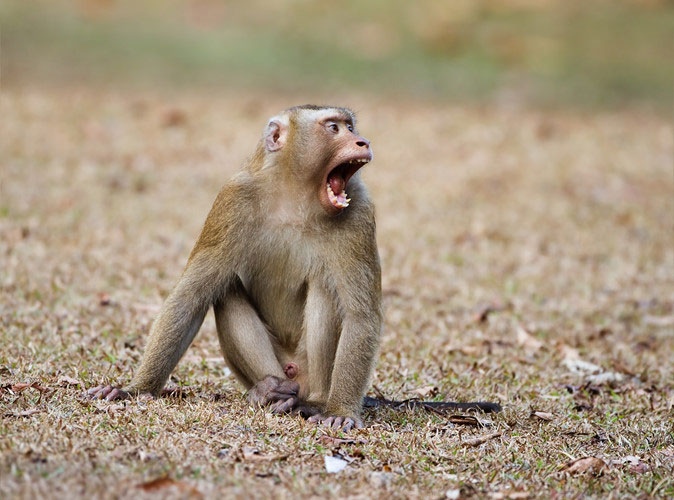
An endangered pig-tailed macaque injured a woman in Thanh Hoa, underscoring rising risks as wildlife ventures into residential areas across Southeast Asia.
A rare but alarming wildlife incident in Vietnam has drawn attention to the growing friction between humans and animals along forest edges. Local authorities in Thanh Hoa Province confirmed that a pig-tailed macaque descended from nearby forestland into a residential area, attacking a woman and causing injuries that required hospital treatment.
According to officials from the Quan Hoa Forest Protection Department, the macaque first entered Kham village in Hoi Xuan commune on the morning of January 4, roaming household gardens in search of food. Residents reported the animal picking fruit, killing a chicken, and eating multiple eggs—early signs of increasingly bold behavior linked to food scarcity in the wild.
The following morning, the monkey returned and attacked a 66-year-old woman at a home near the forest edge, injuring her arm so severely that doctors were forced to administer 15 stitches. The incident prompted immediate intervention by forest rangers, who coordinated with local authorities to monitor the area and drive the animal back toward the forest.
After verification, authorities identified the animal as a pig-tailed macaque (Macaca nemestrina)—a species classified as endangered and protected under Vietnam’s wildlife regulations. The macaque falls under Group IIB, meaning exploitation, captivity, and trade are strictly restricted.
Experts note that such encounters are becoming more frequent across Vietnam and Southeast Asia as deforestation, habitat fragmentation, and seasonal food shortages push wildlife closer to human settlements. While pig-tailed macaques are typically shy, they can become aggressive when stressed or habituated to human food sources.
Local officials said patrols have been intensified in forest-edge communities to prevent further incidents and to protect both residents and wildlife. They also urged people not to approach or feed wild animals, warning that well-intentioned behavior can increase long-term risk.
The incident raises a broader regional question: as development and conservation collide, can Southeast Asia find ways to protect endangered species without putting rural communities in harm’s way?
Discover more from Vietnam Insider
Subscribe to get the latest posts sent to your email.