

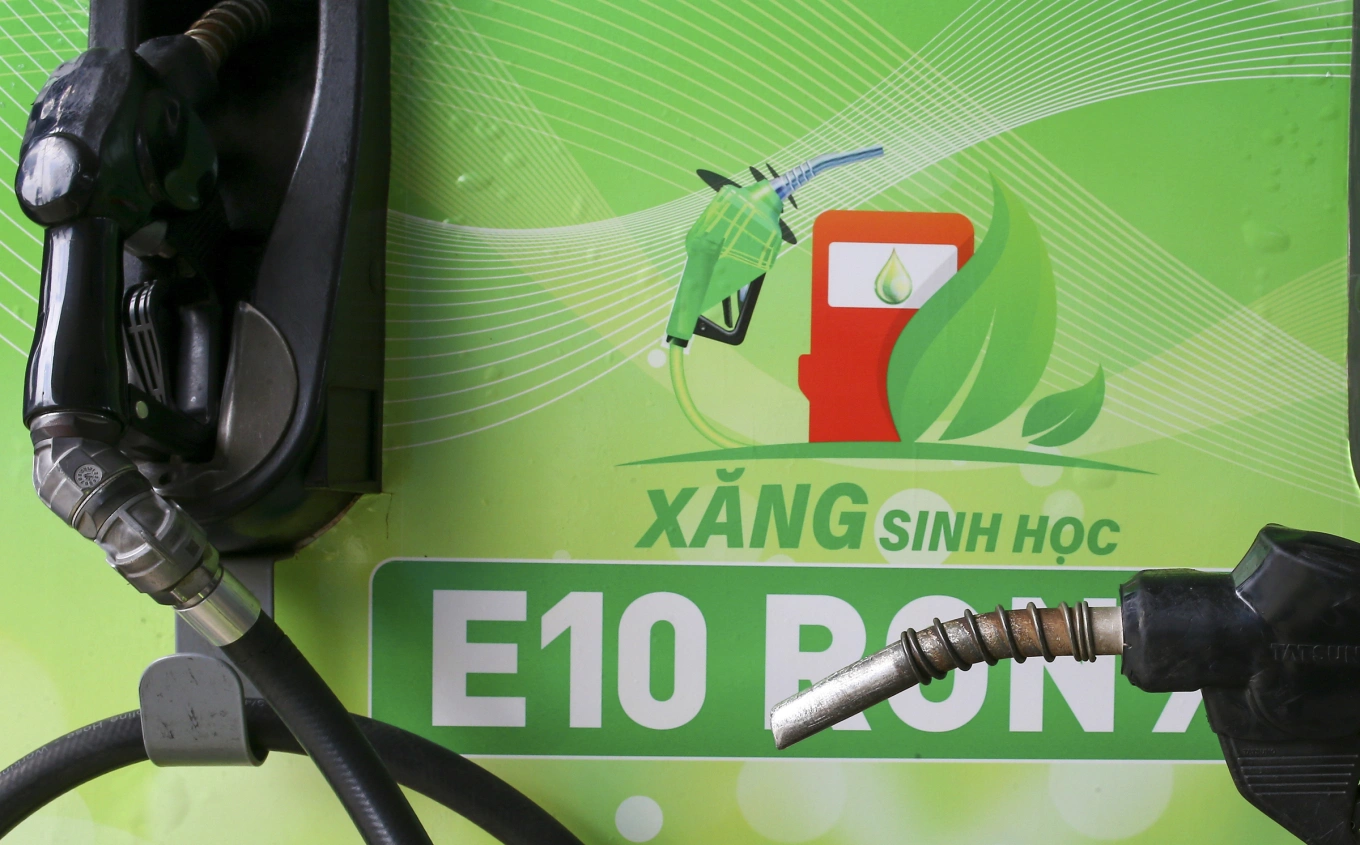
As Vietnam rolls out E10 gasoline nationwide, major automakers say drivers have little reason to worry. From Toyota and Hyundai to Mercedes-Benz and Volkswagen, manufacturers are confirming that most modern vehicles can safely run on the new fuel without affecting performance, reliability, or warranty coverage.
If you’ve filled up your car in Vietnam recently, you’ve probably heard more people talking about E10.
The new fuel, which contains 10% ethanol blended with 90% conventional gasoline, is gradually replacing traditional fuel options as part of Vietnam’s push to reduce emissions and improve energy security.
For many drivers, however, one question has overshadowed everything else:
Can my car actually use it?
According to a growing list of automakers, the answer is yes.
Most Modern Vehicles Are Ready
Over the past week, major manufacturers operating in Vietnam have published compatibility guidance following requests from authorities for clearer information about E10 fuel.
Toyota Vietnam says all Toyota vehicles produced since 1997 can use E10 safely. The company notes that the fuel does not affect engine durability, vehicle safety, maintenance costs, or repair requirements compared with conventional gasoline.
The reassurance isn’t limited to Toyota.
Brands including Kia Vietnam, Mazda Vietnam, Hyundai Thanh Cong, and Ford Vietnam have all confirmed that their current vehicle lineups are compatible with E10 fuel.
For Hyundai owners, the company says vehicles produced from 2005 onward can safely use the new fuel.
What About European Cars?
European brands are largely offering the same message.
Volkswagen Vietnam says E10 should not affect engine performance or long term reliability when sourced from reputable fuel stations and combined with routine maintenance.
Mercedes-Benz Vietnam has also confirmed compatibility for most of its vehicles, although some older models produced in the early 2000s and certain vehicles manufactured before 1990 may require different fuel specifications.
Drivers uncertain about compatibility are advised to check the fuel information label inside the fuel door or consult the owner’s manual.
Could E10 Actually Improve Efficiency?
One of the more surprising findings comes from previous testing conducted by Toyota Vietnam in partnership with researchers in Hanoi.
According to the company, trials on selected hybrid vehicles found that E10 delivered slightly improved fuel efficiency, higher power output, and lower emissions compared with conventional RON 95 gasoline.
While results may vary depending on vehicle type and driving conditions, the findings challenge the common assumption that ethanol blended fuels automatically reduce performance.
Why Vietnam Is Pushing E10
Vietnam’s move toward E10 is part of a broader effort to reduce emissions, strengthen energy security, and support domestic agricultural industries that supply ethanol production.
Government officials argue that wider adoption of biofuels can help lower dependence on fossil fuels while contributing to environmental goals.
At the same time, authorities have acknowledged that public communication around E10 has been inconsistent, leaving many consumers uncertain about whether their vehicles can safely use the fuel.
That uncertainty is exactly why automakers are now racing to publish compatibility lists and technical guidance.
Should Drivers Be Concerned?
For the vast majority of vehicle owners, probably not.
The consensus from manufacturers is that modern cars sold in Vietnam were designed with ethanol blended fuels in mind and can operate normally on E10 when the fuel meets quality standards.
The bigger issue isn’t whether most vehicles can use E10. It’s making sure drivers know which older models may require extra attention before making the switch.
Discover more from Vietnam Insider
Subscribe to get the latest posts sent to your email.