

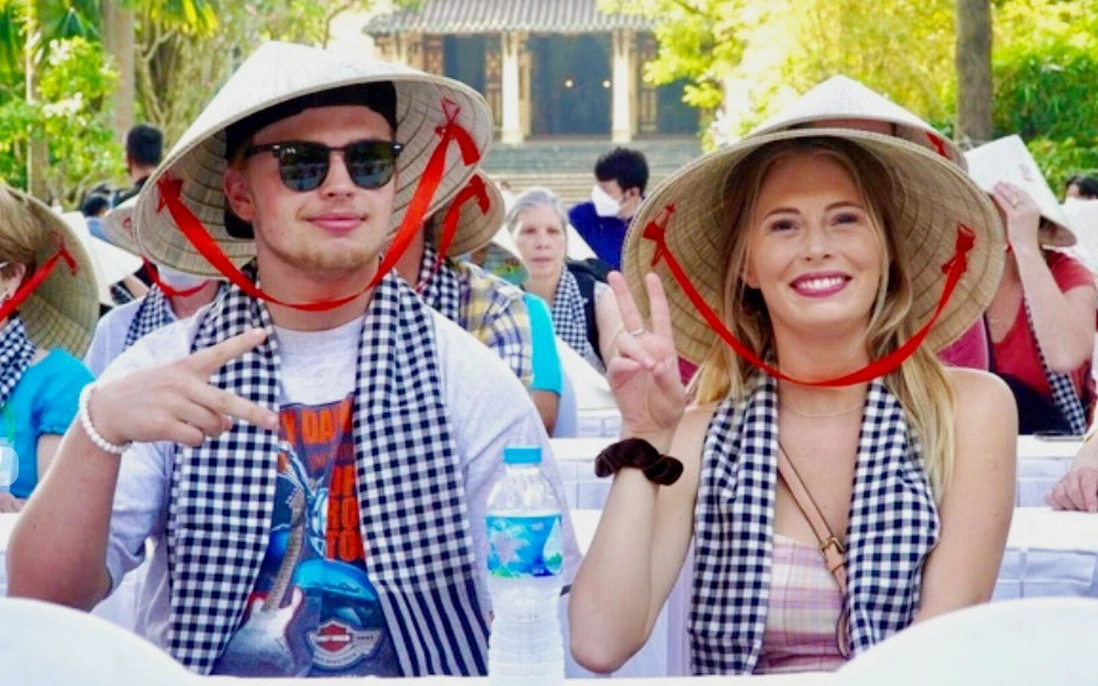
Vietnam’s tourism sector maintains strong growth momentum as international arrivals climb steadily. Consequently, domestic travel destinations and innovative cultural products are commanding growing attention from international media. Citing the General Statistics Office of Vietnam, Xinhua reported that nearly 13.9 million international visitors arrived in the country during the first seven months of 2026, marking a 13.8% increase year-on-year.
Air travel accounted for the majority of these arrivals, drawing roughly 11.5 million passengers—up 10.7% from the same period in 2025. Meanwhile, overland crossings surged by 33.6% to 2.2 million arrivals, and seaborne visits reached 210,900, reflecting a 14.7% rise.
Ambitious Growth Targets and Hanoi’s Leading Role
Setting its sights high, Vietnam aims to welcome 25 million international visitors in 2026. Reaching this milestone requires the industry to diversify offerings and elevate service standards to cater to evolving traveler tastes.
Hanoi stands at the forefront of this surge. During the seven-month period, the capital hosted over 21.16 million visitors, representing a 15% annual increase. Notably, international arrivals alone reached 5.31 million—a 25% jump—generating an estimated 86.47 trillion VND ($3.45 billion USD) in tourism revenue. Moreover, municipal authorities are expanding agritourism, rural tours, and community-based activities to offer visitors deeper glimpses into local life.
Beyond Sightseeing: The Allure of Hands-On Local Life
This shift mirrors a broader national strategy that prioritizes authentic, hands-on discovery over passive sightseeing. Travelers can now immerse themselves in everyday traditions, learn native customs, and sample authentic culinary heritage.
Therefore, Vietnam’s competitive edge relies not only on its scenic landscapes, but also on immersive living culture. In the ancient village of Duong Lam (Son Tay Ward, Hanoi), visitors do far more than admire centuries-old houses. They wrap traditional sticky rice cakes (banh chung), roll crispy spring rolls (nem), and savor regional delicacies such as roasted pork and local sugarcane chicken (ga mia).
American traveler Andrea Baker highlighted this appeal during a culinary workshop hosted by local resident Do Thi Minh Nguyet in Duong Lam. “Whenever we get to participate directly in these activities, we feel a truly meaningful cultural exchange,” Baker told Xinhua.
Baker was particularly struck by the warmth and hospitality of her hosts, noting how effortlessly visitors could chat, ask questions, and share stories across cultures.
Her experience highlights the changing dynamics of Vietnamese tourism. Beyond iconic landmarks, genuine encounters with local people and traditions are defining memorable journeys. By encouraging travelers to actively participate rather than merely observe, Vietnam continues to sharpen its global competitiveness while bringing its rich cultural heritage to audiences worldwide.
Discover more from Vietnam Insider
Subscribe to get the latest posts sent to your email.