

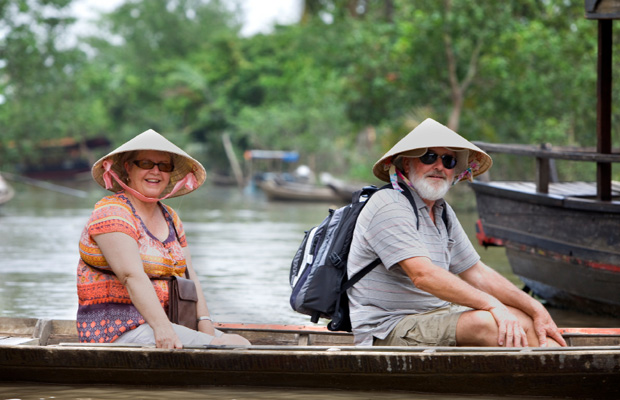
After dedicating decades to careers and family obligations, seniors stepping into retirement find that their travel priorities undergo a profound shift. Fast-paced, rigid group tours that squeeze multiple destinations into tight schedules are giving way to gentler journeys tailored to personal well-being, stamina, and comfort.


Slow travel offers senior adventurers leisurely, rewarding experiences.
Crucially, slow travel does not mean seeing less or lingering idly in one place. Instead, it is an approach that strips away travel fatigue, allowing voyagers to immerse themselves deeply in the rhythm of a place. For mature travelers, this philosophy resonates strongly as health considerations, seamless transit, and genuine rejuvenation take precedence.
Cao Bang’s geography and pace of life make it a natural setting for slow exploration. Winding mountain roads flanked by limestone peaks, crisp highland air, tranquil minority villages, and deep historical milestones form an enriching path. Rather than rushing from one attraction to the next, visitors can pause to take in the vistas, savor regional specialties, converse with local residents, and uncover the folklore woven into each valley.
“Since retiring, I prefer traveling at an easy pace,” said Nguyen Mai Lan, 65, a traveler from Hanoi. “Visiting Cao Bang, instead of trying to cross off as many sites as possible, I spend my days watching the hills, tasting local dishes, and chatting with villagers. The fresh mountain air and quiet rhythm bring me true peace. For older folks, traveling at our own tempo—balancing curiosity with proper rest—matters above all else.”
Beyond changing destination choices, senior explorers are placing higher premiums on service standards. Quiet, spotless lodgings with step-free access, trustworthy dining, and flexible itineraries with minimal transit friction ensure a restful stay.
Nong Minh Nghia, owner of BongHome Homestay in Truong Ha Commune, noted that mature travelers have specific physical and emotional considerations that require attentive planning.
“Before welcoming elderly guests, we make a point to learn about their health, daily routines, and dietary preferences,” Nghia explained. “Schedules must stay unhurried, with generous rest intervals between stops. At the homestay, we emphasize balanced, nutrient-rich meals and arrange ground-floor rooms so guests avoid stairs. For this demographic, feeling safe, respected, and unhurried is everything.”
The rising silver travel sector is encouraging local tour operators to refine product design—from private transport choices to accessible hospitality options. Moderate trip durations, fluid daily programs, and itineraries blending scenic retreats with authentic culinary and village visits are proving most effective. With its karst landscapes, ethnic diversity, and rich heritage, Cao Bang is well positioned to build gentle wellness circuits where travelers can connect deeply with nature and local communities.

Older international visitors savoring the heritage cuisine of the Dao Tien ethnic community.
Alongside tailored circuits, service reliability and guest safety remain central priorities. Accommodations, tour organizers, and transport providers must coordinate closely to offer ergonomic seating, nourishing meal choices, and comfortable touring intervals aligned with senior mobility. Attentive, compassionate hosting ensures older voyagers avoid exhaustion and savor the lasting value of their travels.
Slow travel is quickly becoming the choice of preference for retirees—where the goal is no longer counting conquered landmarks, but embracing a restorative, fulfilling journey within one’s comfort zone. Downshifting to rest, observe, and connect with Cao Bang’s mountains, traditions, and people turns every visit into an uplifting and memorable experience.
Discover more from Vietnam Insider
Subscribe to get the latest posts sent to your email.