

Learning the Craft from Her Father in 7th Grade, Starting Out with a Few Dozen Jars
At age 54, Dang Thi Luan, residing in Hai Ninh Ward (formerly part of Ky Anh Town, Ha Tinh Province), regularly walks through her production facility inspecting each batch of fish sauce.
Her connection to the fish sauce trade began back in middle school. Her father, Dang Van Buu, worked as a technician at the Ky Ninh Fish Sauce Station. Starting in seventh grade, she accompanied him to work on her days off, observing how he selected fish, blended salt, and fermented the mash (u chuop).
Those early lessons became the bedrock that kept the Ha Tinh native anchored to the craft for decades.

Hundreds of clay fish sauce jars at Ms. Luan’s processing facility. Photo: H.Th
In 1993, after getting married, Luan began buying and trading seafood. The job kept her closely connected to raw material supplies while deepening her hands-on experience in seafood processing.
By 1996, the young entrepreneur started producing fish sauce on her family’s coastal plot in Ky Ninh with around 30 to 50 earthenware jars. Lacking substantial capital and formal distribution channels, she followed the traditional methods passed down by her father and personally carried her finished product to sell at local markets. Early customers were mostly neighbors, output remained modest, and income fluctuated.
To retain buyers, Luan actively listened to feedback on flavor profiles, adjusting her raw ingredient selection and fermentation techniques accordingly. However, the very nature of traditional fish sauce production meant scaling up could never happen overnight.
According to the veteran artisan, crafting great fish sauce requires fresh fish, precise salt ratios, and—above all—patience without shortcuts.
Once mixed with salt, the fish must ferment inside earthenware jars for at least 15 months, with some batches requiring nearly two years to mature properly. That meant working capital stayed tied up in raw materials for extended periods while production and household expenses continued unabated.
With limited funds, Luan reinvested profits gradually, adding more clay jars whenever she saved enough. Once her family plot ran out of space, the dedicated maker petitioned local authorities to lease additional land to expand her workshop.

Ms. Dang Thi Luan, owner of the renowned fish sauce facility.
By the 2000s, operations steadily stabilized. Each year, the workshop produced around 200 to 300 jars of fish sauce. Expanding sales channels brought stronger cash flow, allowing the business owner to reinvest in raw materials, equipment, and larger capacity.
Market Crisis and a Strategic Production Pivot
In 2016, Luan joined seven fellow members to establish the Chien Thang Seafood Purchasing and Processing Cooperative, aiming to buy catches directly from local fishermen, secure raw inputs, and expand processing operations.
That very same year, however, the central coast marine environmental incident struck, severely disrupting fishing, seafood consumption, and processed marine goods across Ha Tinh.
According to the cooperative chairwoman, fish sauce became nearly impossible to sell at the time due to widespread consumer apprehension. Meanwhile, previously purchased seafood still had to be processed, causing unsold inventory to pile up. Numerous batches had to be destroyed, wiping out years of accumulated savings and inflicting losses totaling billions of dong.
To keep the cooperative afloat, Luan combined part of her compensation payout with bank loans to replenish working capital. After navigating those turbulent years, by 2018 the cooperative gradually resumed production, rebuilt its customer base, and refined its processing approach.

Fish sauce fermenting inside earthenware jars.
One pivotal shift involved focusing squarely on anchovy fish sauce rather than blending multiple fish varieties as before. The cooperative also adopted modern techniques and machinery to ease manual labor and trim costs while preserving traditional fermentation methods.
Ms. Luan was among 96 individuals honored by the Central Committee of the Vietnam Farmers’ Union as an “Outstanding Vietnamese Farmer of 40 Years of Doi Moi (Renovation).”
Fresh anchovies are sourced directly from local fishermen. After sorting, the fish are mixed with salt at a standard ratio of one part salt to five or six parts fish, then transferred into earthenware jars or fermentation tanks for long-term aging.
The 54-year-old producer typically selects February, March, and April to begin salting anchovies—months when catches are abundant and sunny weather creates ideal conditions for sun-drying and fermentation.
For specialty reserves boasting 34 degrees of nitrogen (do dam), maturation can stretch past two years. To maintain strict quality control, every jar is labeled with its production date and the registration number of the fishing vessel that supplied the catch, ensuring full raw material traceability.
In 2022, the cooperative invested over one billion VND to construct a new one-hectare production facility in Tam Hai 2 Village. Alongside traditional rows of clay jars, the facility introduced solar-assisted fermentation tanks, cutting labor demands and operating expenses.

Ms. Luan’s fish sauce facility provides steady employment for dozens of local workers.
Market expansion efforts soon began paying off. In 2023, roughly 50,000 liters of the cooperative’s fish sauce were exported to Russia and Angola. By late 2025, the enterprise invested several billion more dong in an automated bottling line to boost output and guarantee uniform quality across every bottle.
According to the Top 17 Highest-Rated Fish Sauces in the World ranking updated by TasteAtlas on November 18, Luan Nghiep fish sauce placed 15th with a score of 4.7 out of 5. “I never imagined our product could travel this far,” Luan shared.
Today, Luan Nghiep fish sauce retails for 45,000 to 200,000 VND per bottle depending on volume, and sales no longer rely solely on traditional wet markets as they did in the early years.
Her son manages digital marketing across social media and e-commerce platforms, extending the brand’s reach far beyond local provinces.

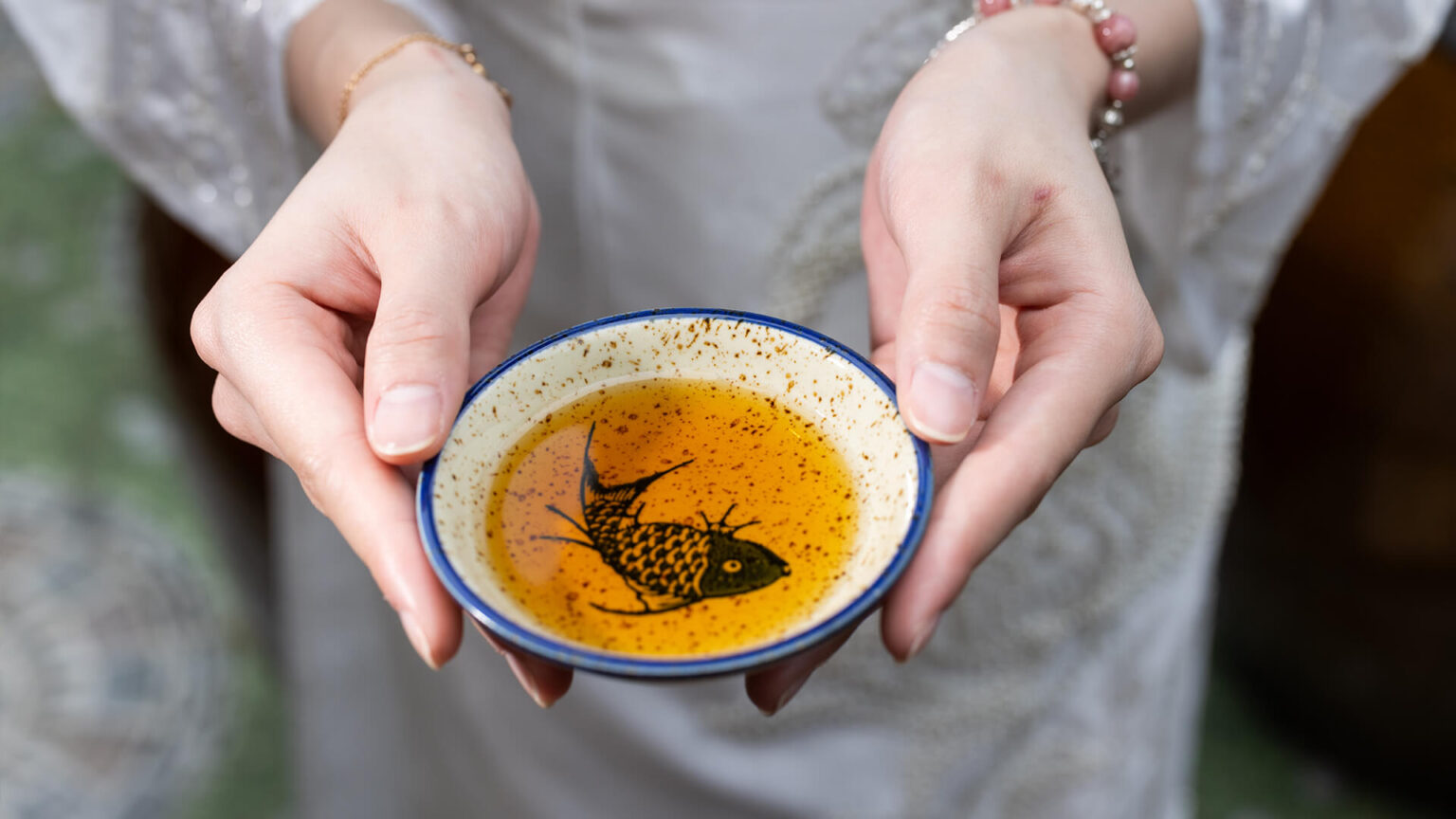
Ms. Luan’s fish sauce ranked among the top 17 best fish sauces in the world.
According to the founder, many first-time buyers become loyal regulars, ordering shipments via intercity buses or postal delivery. Several customers have even called to say that once accustomed to Luan Nghiep’s flavor, they find it hard to switch to any other brand.
In April 2026, Luan Nghiep fish sauce earned national 5-star OCOP certification. Today, the cooperative operates more than 3,000 clay jars and around 100 fermentation tanks, yielding 400,000 to 500,000 liters annually and generating approximately 15 billion VND in yearly revenue.
Beyond fish sauce, the cooperative produces fermented shrimp paste (ruoc man), salted jellyfish, and caramelized anchovies with peanuts (ca mom rim lac), while continuing to purchase catches from local fishermen. The facility provides jobs for roughly 30 workers—including 9 to 10 full-time staff earning 7 to 10 million VND per month.
Speaking with VietNamNet, a representative of the Hai Ninh Ward People’s Committee noted that Dang Thi Luan’s facility is one of the largest heirloom fish sauce producers in the area, helping absorb local fishermen’s catches and sustain livelihoods for coastal residents.
Source: baomoi.com
Discover more from Vietnam Insider
Subscribe to get the latest posts sent to your email.