

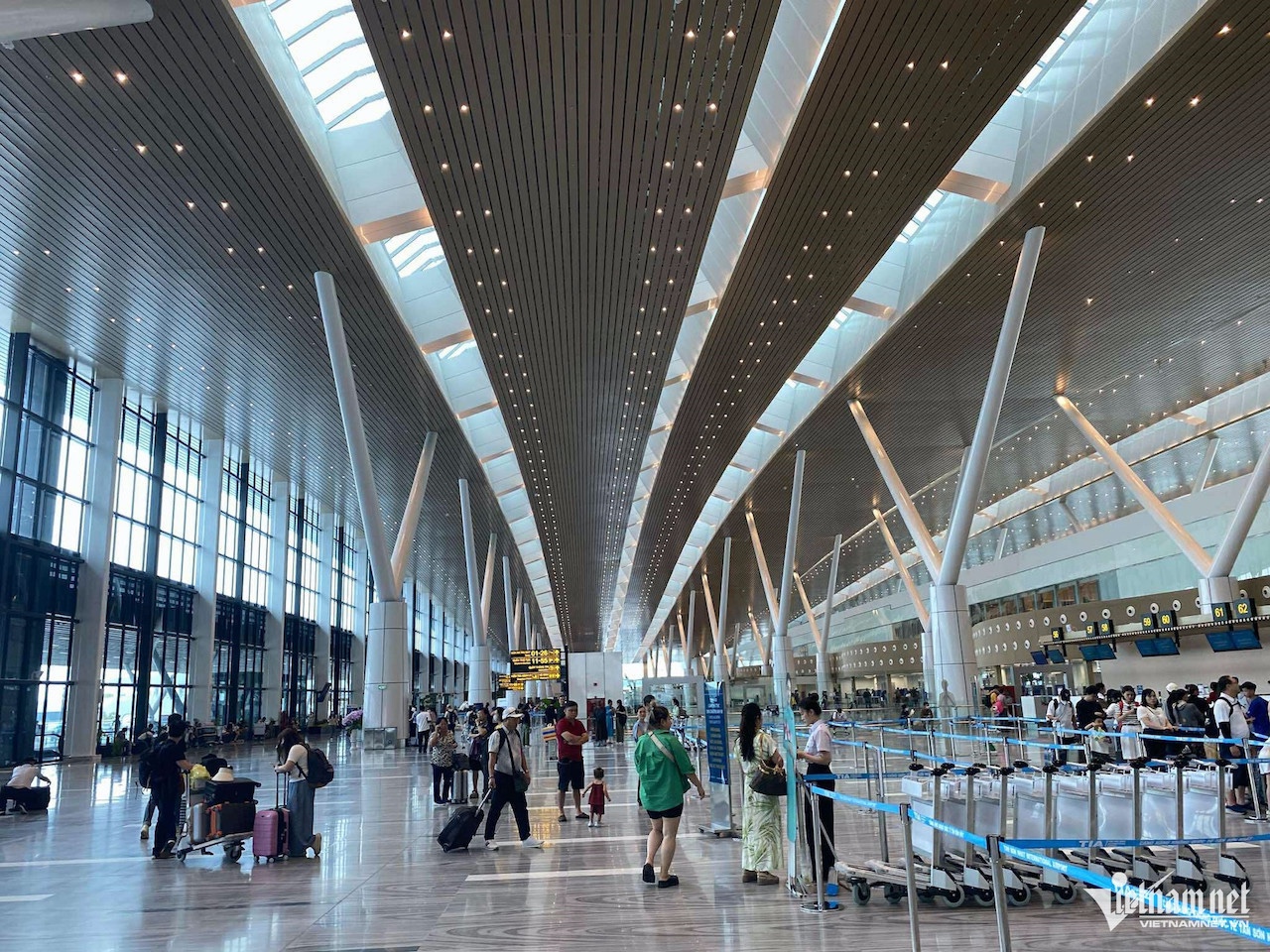
As Vietnam’s tourism and business travel boom accelerates, a growing debate is emerging over whether Tan Son Nhat Airport can evolve from a congested gateway into one of Asia’s premier aviation hubs.
For international travelers, an airport is often more than a transportation facility—it is the first and last impression of an entire country. As Vietnam positions itself as one of Asia’s fastest-growing tourism and investment destinations, attention is increasingly turning to whether Ho Chi Minh City’s Tan Son Nhat International Airport can eventually compete with regional benchmarks such as Singapore’s Changi Airport.
The discussion was sparked by a Vietnamese entrepreneur living in Singapore who regularly travels through Changi, widely regarded as one of the world’s best airports. While acknowledging that Tan Son Nhat remains far from matching Changi’s standards, he argued that simply asking whether Vietnam’s busiest airport could one day join Asia’s top tier reflects a significant shift in national ambition.
Singapore Changi has built its reputation on seamless passenger experiences. Facial recognition technology, highly automated immigration procedures, efficient passenger flows, and consistent customer service allow many travelers to move through checkpoints in seconds. The airport is designed to minimize stress and waiting time, creating an experience that feels almost invisible.
By contrast, Tan Son Nhat continues to face challenges familiar to many travelers in emerging aviation markets. Long queues during peak periods, inconsistent service quality, limited support infrastructure for families and elderly passengers, and underutilized automation systems remain common complaints. Perhaps more importantly, some travelers perceive uneven treatment and unclear priority systems, undermining confidence in the overall passenger experience.
These issues matter beyond convenience. Vietnam welcomed record numbers of international visitors in recent years and continues to attract growing foreign direct investment as global companies diversify supply chains across Southeast Asia. As business travel, tourism, and international connectivity become increasingly important to economic growth, airports are no longer merely transportation assets—they are strategic national infrastructure.
Industry observers note that many improvements do not necessarily require billion-dollar investments. Enhanced customer service training, clearly designated priority lanes for pregnant women, families, and elderly travelers, wider deployment of automated immigration systems, and more comfortable waiting areas could significantly improve passenger satisfaction. At the same time, airports have an opportunity to showcase national identity rather than simply replicate international models.
One particularly compelling idea is the development of a distinctly Vietnamese airport experience. Instead of generic food courts and lounges, travelers could encounter authentic Vietnamese cuisine, premium local coffee, regional spirits, and modern interpretations of traditional culture. Such initiatives would transform airport terminals into cultural ambassadors, offering visitors a memorable introduction to Vietnam before they even leave the airport.
The timing of the debate is significant. With the opening of Long Thanh International Airport expected to reshape Vietnam’s aviation landscape over the coming years, the country faces a broader question: should its airports focus solely on handling rising passenger volumes, or should they aspire to become destinations in their own right?
For a country increasingly viewed as one of Asia’s most dynamic economic stories, the answer could have implications far beyond aviation. The airports that win the future may not simply move people efficiently—they may shape how nations are perceived. If Vietnam wants to compete for global talent, investment, and tourism, the journey may begin not in a boardroom or a tourist attraction, but at the immigration gate.
Discover more from Vietnam Insider
Subscribe to get the latest posts sent to your email.