

According to Travel and Tour World, the global tourism landscape is undergoing a major shift. Consequently, instead of choosing mass-market package tours, a growing number of international travelers seek experiential journeys. Thus, these trips connect directly with local lifestyles. Blessed with rich heritage, stunning nature, and unique cultural assets, Vietnam stands out as a destination. Therefore, it perfectly fulfills this trend through its quintessential north-to-south cross-country route.
International travel experts note that exploring Vietnam from north to south is much more than a standard sightseeing trip. Instead, it functions as an immersive masterclass in sustainable tourism. Rather than merely stopping at famous landmarks, the itinerary invites travelers to blend into daily local life. Specifically, they join engaging activities such as making lanterns, tending organic gardens, learning traditional culinary arts, and exploring floating markets in the Mekong Delta.
This model not only extends average lengths of stay and boosts tourist spending, but it also delivers direct livelihoods to host communities. Simultaneously, it eases infrastructural pressures on major urban hubs.
Starting in Hanoi: Preserving a Thousand-Year Legacy
Wandering through the charming alleys of Hanoi, visitors get the chance to uncover the capital’s millennial heritage. Specifically, they explore historic monuments and iconic local delicacies.
 The first major stop is Hanoi, a land steeped in a thousand years of culture. Here, visitors delve into the capital’s rich history and nostalgic atmosphere. The journey typically begins with a historical exploration of Ba Dinh Square and the Ho Chi Minh Mausoleum complex. Afterward, guests visit the Temple of Literature—Vietnam’s very first national university.
To truly absorb the rhythm of the Old Quarter, many tours utilize traditional rickshaws. Consequently, these vehicles weave through narrow streets that preserve typical Hanoian lifestyles. The first evening often concludes with a mesmerizing water puppet performance. Moreover, this folk art remains deeply rooted in the culture of the Red River Delta.
Ninh Binh: A Masterpiece of Rivers and Karst Mountains
 Leaving the capital, travelers journey roughly 100 kilometers south to Ninh Binh. Here, guests board wooden sampans to glide gently down the Ngo Dong River. Thus, they explore Tam Coc amidst towering limestone mountains and vibrant green rice paddies. This breathtaking landscape is frequently celebrated as “Ha Long Bay on land.”
The adventure then steps backward in time to the 10th century. Specifically, travelers visit Hoa Lu, the ancient capital of Vietnam’s first centralized feudal state. Walking among the temples dedicated to the Dinh and Le dynasties provides profound insight. Furthermore, listening to tales of the nation’s earliest imperial eras illuminates the founding of the ancient state of Dai Co Viet.
Overnight Among the Wonders of Ha Long Bay

Another major highlight is a cruise across Ha Long Bay in Quang Ninh province. Notably, this zone stands as a UNESCO World Heritage Natural Wonder. Departing from Tuan Chau Marina, guests embark on a two-day, one-night voyage aboard traditional wooden luxury junks. While savoring a lunch of freshly caught seafood on the sun deck, travelers gaze out at thousands of bizarrely shaped limestone karsts rising majestically from emerald waters.
As afternoon descends, visitors can paddle kayaks through mysterious sea caves. Alternatively, they can refresh themselves with a swim at secluded beaches or visit a floating fishing village. Thus, they witness the daily routines of local fishermen.
Following a peaceful night cradled within the natural wonder, the next morning begins at dawn. Specifically, guests join a rejuvenating Tai Chi session on the deck. This overnight cruise experience is widely regarded as a strategic tourism product. Consequently, it helps Vietnam diversify its offerings and encourage longer stays.
Mastering Lantern Crafting, Farming, and Cooking in Hoi An


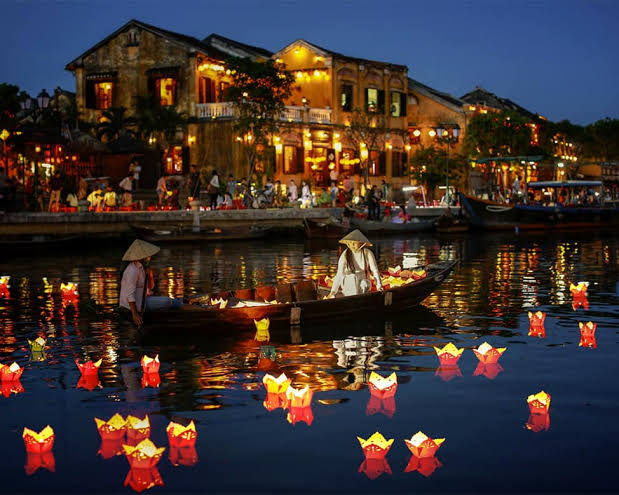
Departing Ha Long Bay, travelers catch a flight to central Vietnam. There, they explore the ancient town of Hoi An, a UNESCO World Heritage Cultural Site. Beyond admiring historic architecture, visitors engage directly with residents through interactive community workshops.
One of the most beloved activities is handcrafting a traditional lantern. Guided by local artisans, visitors bend bamboo frames, stretch silk fabrics, and complete their own custom lanterns as cherished souvenirs.
As twilight falls, travelers stroll leisurely through narrow lantern-lit streets. Specifically, they visit the Japanese Covered Bridge, Tan Ky Old House, the Cantonese Assembly Hall, and the Trade Ceramics Museum. Hence, they understand the history of Hoi An as one of Southeast Asia’s most bustling historical ports.
The crown jewel of the stop is a bicycle ride to the Tra Que Vegetable Village. Here, international guests eagerly roll up their pants and wade into the muddy soil. Moreover, they grab hoes to till the earth, plant seeds, harvest organic produce, make seaweed-based fertilizers, and carry watering cans.
The freshly harvested greens are immediately brought indoors for a cooking class. During this session, guests learn to prepare authentic central Vietnamese specialties. The afternoon concludes with a delightful lunch featuring dishes they crafted themselves using agricultural produce fresh from the earth.
Ho Chi Minh City: Where History Meets Modernity

The next destination brings travelers to Ho Chi Minh City, the country’s largest metropolis. Here, visitors spend meaningful time at the War Remnants Museum and the Independence Palace. The raw artifacts and vivid historical imagery documenting Vietnam’s pursuit of peace evoke moments of quiet reflection for international guests.
The journey then continues to Ben Thanh Market, a long-standing city landmark packed with regional specialties, souvenirs, and vibrant street food. Another favorite activity is joining a local culinary workshop. Before stepping into the kitchen, visitors accompany local chefs to a traditional market. There, they select ingredients ranging from fresh herbs and tropical fruits to iconic Vietnamese spices. Under professional guidance, participants prepare classic dishes and enjoy their culinary creations together.
In the afternoon, travelers visit Notre Dame Cathedral and the Central Post Office. Additionally, they stop at Jade Emperor Pagoda and Cho Lon. Consequently, they explore architectural traces of French colonial influence blended with Chinese heritage, shaping the city’s unique identity.
The Mekong Delta: A Rhythm Tied to the Rivers
Visiting the Mekong Delta offers travelers a chance to explore lush orchard cultures and indulge in abundant regional cuisine.

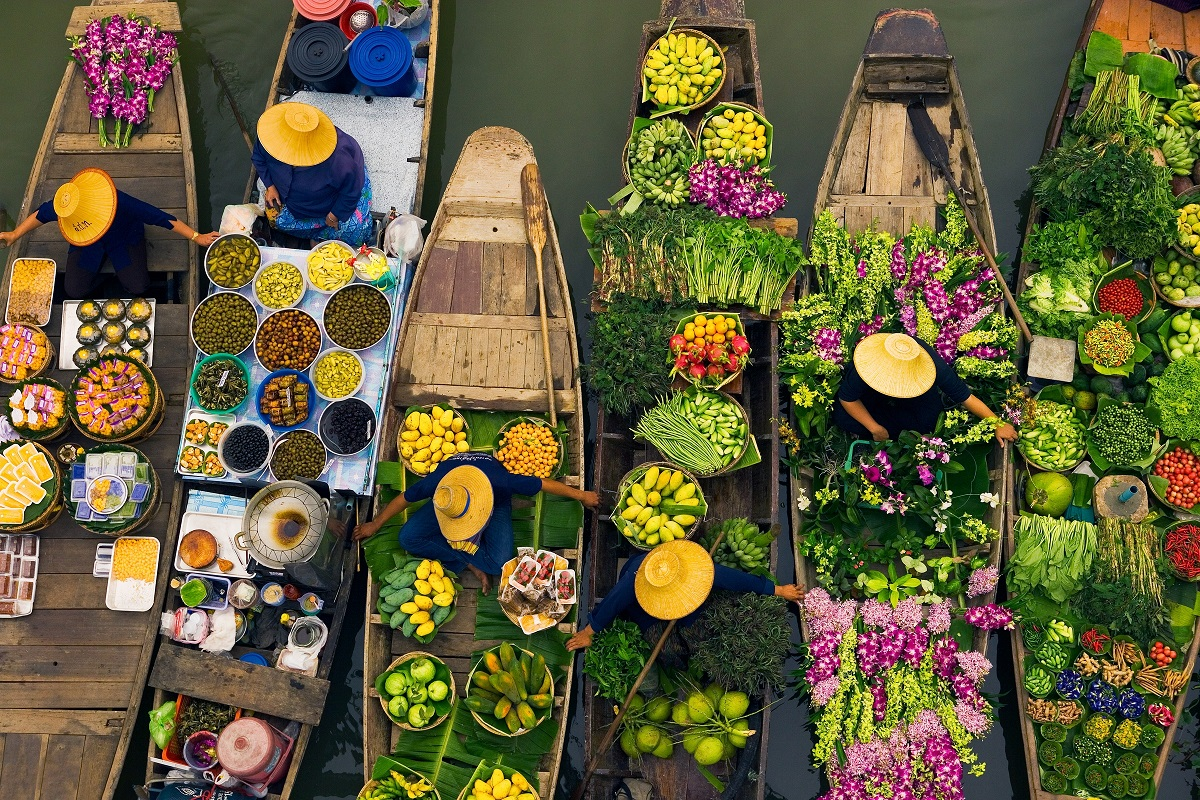
The final leg of the journey leads travelers to the Mekong Delta. Specifically, this region is renowned for its intricate network of waterways and flourishing orchard culture. Departing from Ho Chi Minh City, guests travel to Vinh Long. There, they board boats that weave through shaded, palm-fringed canals to reach Binh Hoa Phuoc Islet. Inside local homes, international guests delight in observing traditional brick-making, rice paper stretching, and artisanal coconut candy production.
The absolute highlight of the southern waterways is exploring the Cai Rang Floating Market in Can Tho at dawn. Amidst the bustling riverine atmosphere, hundreds of trading boats laden with tropical fruits and agricultural goods anchor close together. Vendors advertise their wares by hoisting samples high on bamboo poles. Thus, they create a trading culture entirely unique to the Mekong Delta.
After touring the floating market, the group glides deeper down narrow creeks. Specifically, they observe how southern communities build their lives in harmony with the flowing tides. Afterward, they return to Ho Chi Minh City to conclude the 12-day nationwide expedition.
Amidst a travel climate where visitors increasingly crave genuine authenticity, this cross-country journey is poised to remain a cornerstone product. Ultimately, it continually reinforces Vietnam’s magnetic appeal on the global tourism stage.
Photo source: Collected
Discover more from Vietnam Insider
Subscribe to get the latest posts sent to your email.