

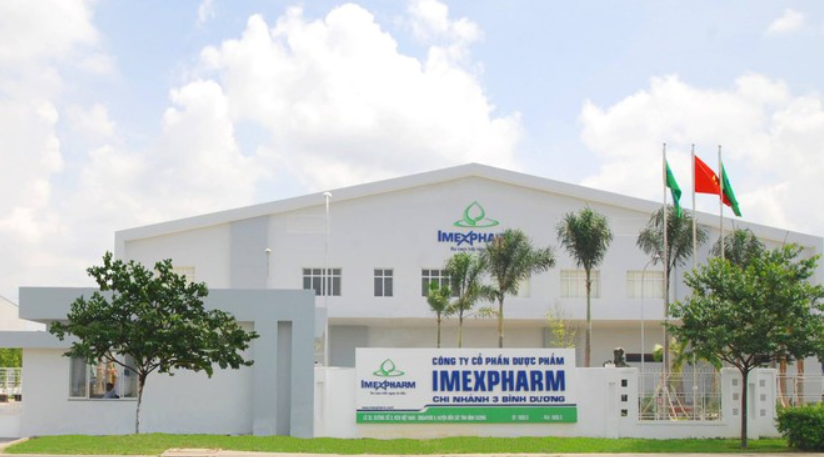
$338 million Imexpharm deal signals rising Chinese investment in Vietnam’s fast-growing healthcare sector
As global pharmaceutical supply chains shift deeper into Southeast Asia, a major Chinese drugmaker has quietly secured control of one of Vietnam’s most strategically important pharmaceutical companies — a move that could reshape the country’s antibiotics market and accelerate regional healthcare consolidation.
China’s Livzon Pharmaceutical Group, through its subsidiary Lian SGP Holding, has acquired nearly 68% of Imexpharm, Vietnam’s leading antibiotics manufacturer, in a deal valued at roughly VND6 trillion ($338 million). The transaction makes Livzon the dominant shareholder of a company that controls around 10% of Vietnam’s antibiotic market and supplies both domestic and international pharmaceutical partners.
The acquisition comes at a pivotal moment for Vietnam’s healthcare industry. With rising incomes, rapid urbanization, and an aging population, Vietnam’s pharmaceutical market is projected to become one of Southeast Asia’s fastest-growing healthcare economies. At the same time, multinational drugmakers are increasingly looking beyond China and India for manufacturing diversification, turning Vietnam into an emerging pharmaceutical production hub.
Livzon initially sought to purchase nearly 78% of Imexpharm through a public tender offer announced earlier this year, but ultimately secured 67.87% ownership after acquiring more than 104.5 million IMP shares. The offer price of VND57,400 per share represented a 22.5% premium over market price, valuing Imexpharm at approximately VND8.84 trillion.
Founded nearly five decades ago as a state-owned enterprise under Vietnam’s national pharmaceutical system, Imexpharm has evolved into one of the country’s most respected drug manufacturers following privatization in the early 2000s. Over the years, the company attracted prominent institutional investors including Dragon Capital, VinaCapital, and South Korea’s SK Group.
Today, Imexpharm manufactures products for global pharmaceutical brands including Sandoz Group AG, Pharmascience Inc, and Sanofi SA. Its antibiotic production facilities are among Vietnam’s most advanced, positioning the company as a critical player in the country’s push toward higher-value pharmaceutical manufacturing.
Imexpharm CEO Trần Thị Đào recently described Livzon as a highly capable R&D-focused pharmaceutical group with manufacturing systems that meet strict international quality standards. Some of Livzon’s injectable products have already received approval from the U.S. Food and Drug Administration, giving the Chinese firm stronger credibility in regulated global markets.
The strategic logic behind the deal extends well beyond Vietnam’s domestic market. Analysts at FPT Securities say Livzon’s scale, API manufacturing expertise, and advanced pharmaceutical technologies could help Imexpharm reduce production costs, expand high-margin product lines, and increase exports across Asia and beyond.
The transaction also reflects a broader trend unfolding across Southeast Asia: Chinese corporations are no longer investing only in factories, infrastructure, or electronics manufacturing. Increasingly, they are targeting healthcare, biotech, and consumer sectors tied to long-term demographic growth and supply-chain resilience.
For Vietnam, the acquisition raises a bigger question now facing many emerging economies: can foreign strategic investment accelerate technological upgrading without weakening domestic control over critical healthcare assets? Investors may view the Livzon-Imexpharm deal as a vote of confidence in Vietnam’s pharmaceutical future — but it may also mark the beginning of a new competitive era where regional healthcare champions are built through cross-border consolidation rather than purely local growth.
Discover more from Vietnam Insider
Subscribe to get the latest posts sent to your email.