

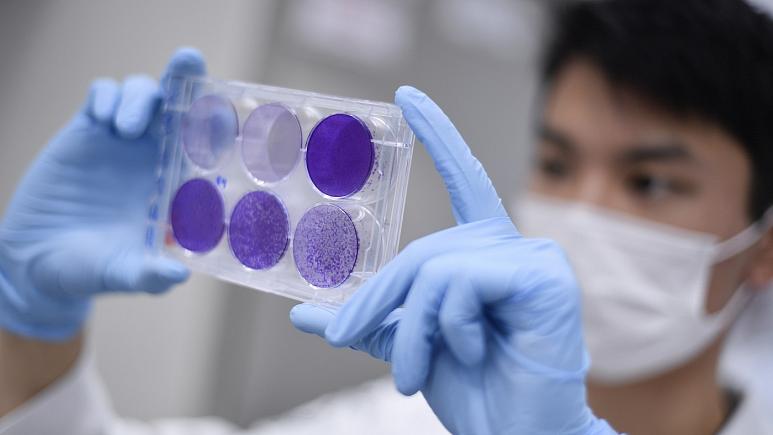
A potential coronavirus vaccine developed in China appeared to cause the body to produce neutralizing antibodies in dozens of patients in an early-stage clinical trial, an important step in developing a vaccine that might provide immunity to Covid-19.
The vaccine candidate also induced binding antibodies in most of the patients within 28 days and appeared to be safe and well-tolerated, according to the findings of the phase one trial, which were published Friday in the peer-reviewed journal The Lancet.
“These results represent an important milestone,” Wei Chen, a professor at the Beijing Institute of Biotechnology in Beijing and who is responsible for the study, said in a press release. “However, these results should be interpreted cautiously. The challenges in the development of a Covid-19 vaccine are unprecedented, and the ability to trigger these immune responses does not necessarily indicate that the vaccine will protect humans from Covid-19.”
The potential vaccine from CanSino Biologic, called Ad5-nCoV, was approved for human trials in March. The participants were between the ages of 18 and 60 and received a low, medium or high dose of the vaccine. There were 36 people in each dose group, according to the researchers.
The concentration of neutralizing antibodies, which researchers believe is important in acquiring protection against the virus, appeared to increase with dose strength, they said. By day 28, half of the patients in the low and middle dose groups showed neutralizing antibodies compared to three-quarter of patients in the high dose group.
The researchers noted the small sample size and said further research will be needed before this vaccine can become available.
The findings come days after biotech firm Moderna released early findings for its potential vaccine.
The Moderna vaccine produced neutralizing antibodies for eight of the patients whose data was available so far, according to Moderna. Additionally, all 45 patients enrolled in the study produced binding antibodies seen at similar levels of people who have recovered from the virus, the company said.
There are no proven treatments for Covid019. Scientists are optimistic a vaccine to prevent the disease will be ready in the first half of 2021 — 12 to 18 months since Chinese scientists first identified the coronavirus and mapped its genetic sequence.
There are more than 100 vaccines are under development globally, according to the World Health Organization. At least eight vaccines are in human trials.
Scientists hope the antibodies provide some degree of protection against getting Covid-19, but they can’t say that definitively yet since it hasn’t been studied and some patients appear to have been reinfected after recovering from the virus.
In the CanSino Biologic vaccine trial, most patients typically reported pain at the injection site with others reporting of fever, fatigue or a headache, the Chinese researchers said. One participant who received the higher dose vaccine reported severe fever along with severe symptoms of fatigue, shortness of breath and muscle pain, they said, however the reactions persisted for less than 48 hours.
The researchers are now conducting phase two trial with 500 patients.
@ CNBC
Discover more from Vietnam Insider
Subscribe to get the latest posts sent to your email.