

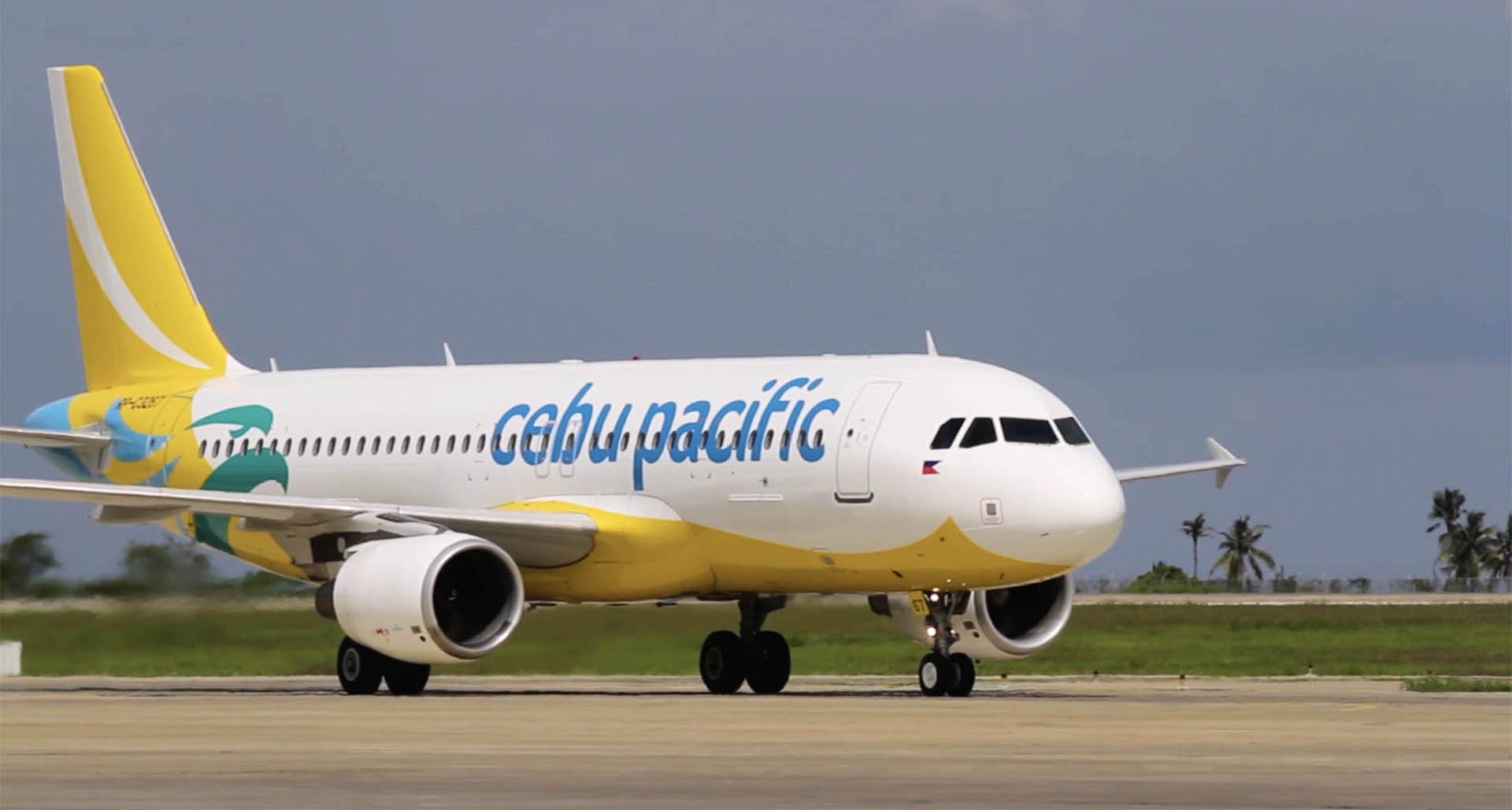
Travelers moving through major Vietnamese airports this summer may encounter an unexpected sight. Between mid-July and early September 2026, an Airbus A320neo belonging to the Philippine low-cost carrier Cebu Pacific will be actively flying several domestic routes across Vietnam.
According to a disclosure filed by Cebu Air Inc. with the Philippine Stock Exchange, Cebu Pacific has signed a short-term wet-lease agreement with Vietnam Airlines. Under this partnership, running from July 15 through September 7, 2026, the aircraft will be stationed in Ho Chi Minh City and operated directly by Cebu Pacific pilots and cabin crew.
The jet is assigned to handle round-trip flights linking Tan Son Nhat International Airport with popular coastal and regional destinations, including Cam Ranh, Phu Quoc, Vinh, and Da Nang. As a result, passengers at these busy terminals will spot an aircraft displaying Cebu Pacific’s distinctive foreign livery instead of the familiar golden lotus fleet of Vietnam Airlines.

Why Is a Foreign Airline Operating Vietnam Airlines Flights?
This operational strategy relies on an industry mechanism known as a “wet lease.” Under a wet lease, the lessor provides the physical aircraft alongside its own flight crew, maintenance team, and insurance coverage. Meanwhile, Vietnam Airlines retains full commercial control by marketing the routes, selling the tickets, managing the flight schedules, and assigning its standard “VN” flight numbers.
In practical terms, passengers purchase a ticket directly from Vietnam Airlines, but the physical aircraft waiting at the gate and the crew welcoming them onboard belong to Cebu Pacific. This arrangement allows Vietnam Airlines to rapidly expand its seat capacity during the intense summer travel rush without waiting months to acquire new aircraft or train additional flight personnel. At the same time, it allows Cebu Pacific to productively deploy spare aircraft capacity during a traditionally softer travel period in the Philippines.


Will Passengers Need to Adjust Their Airport Check-in Routine?
The fundamental check-in process for domestic travel remains unchanged. Travelers should continue to use their Vietnam Airlines tickets, proceed to the designated airport counters indicated on terminal monitors, and verify their flight number, gate, and departure time on their boarding passes.
Passengers are advised not to search for a Cebu Pacific counter simply because they notice the Philippine carrier’s name painted across the fuselage. As long as the ticket displays a “VN” flight number and matches the destination listed on airport display screens, the flight is legitimate and correctly booked.
Vietnam Airlines permits online check-in between 24 hours and one hour prior to departure for eligible flights. However, because specialized digital procedures have not been published for this specific leased jet, passengers who encounter issues checking in online should report directly to the Vietnam Airlines airport counter rather than attempting to use the Cebu Pacific mobile application.

Airport check-in desks for domestic flights open two hours before flight time and strictly close 40 minutes prior to scheduled departure. Given peak summer passenger volumes, arriving at the terminal 90 to 120 minutes before departure is strongly recommended to ensure smooth baggage drop and handle any unexpected delays.
Baggage policy requires careful attention. Cebu Pacific enforces a standard carry-on limit capped at 7 kilograms, which includes one overhead bag and one small personal item. Travelers carrying heavy bags, sports gear, baby strollers, or requesting special assistance should consult their ticket confirmation details or contact Vietnam Airlines directly for clarification.
Passengers should also expect slight variations inside the cabin. The seating configuration on Cebu Pacific’s A320neo may differ from standard Vietnam Airlines aircraft, which means pre-selected seats, legroom dimensions, or specific on-board service amenities could be adjusted to match operational requirements.
Cebu Pacific’s Longstanding Connection to Vietnam
The appearance of Cebu Pacific aircraft in Vietnamese airspace is not a new development. The Philippine carrier established its footprint in Vietnam as early as April 2008 when it launched direct international services connecting Manila with Hanoi and Ho Chi Minh City.
The airline further expanded its regional presence in December 2023 by adding a direct Manila to Da Nang route.
The key distinction this summer lies in the nature of the flights. Rather than operating strictly as an international link between the Philippines and Vietnam, Cebu Pacific aircraft and crews are taking over select internal routes within Vietnam, serving domestic travelers flying under Vietnam Airlines flight numbers.

(Photo: Collected )
Discover more from Vietnam Insider
Subscribe to get the latest posts sent to your email.