

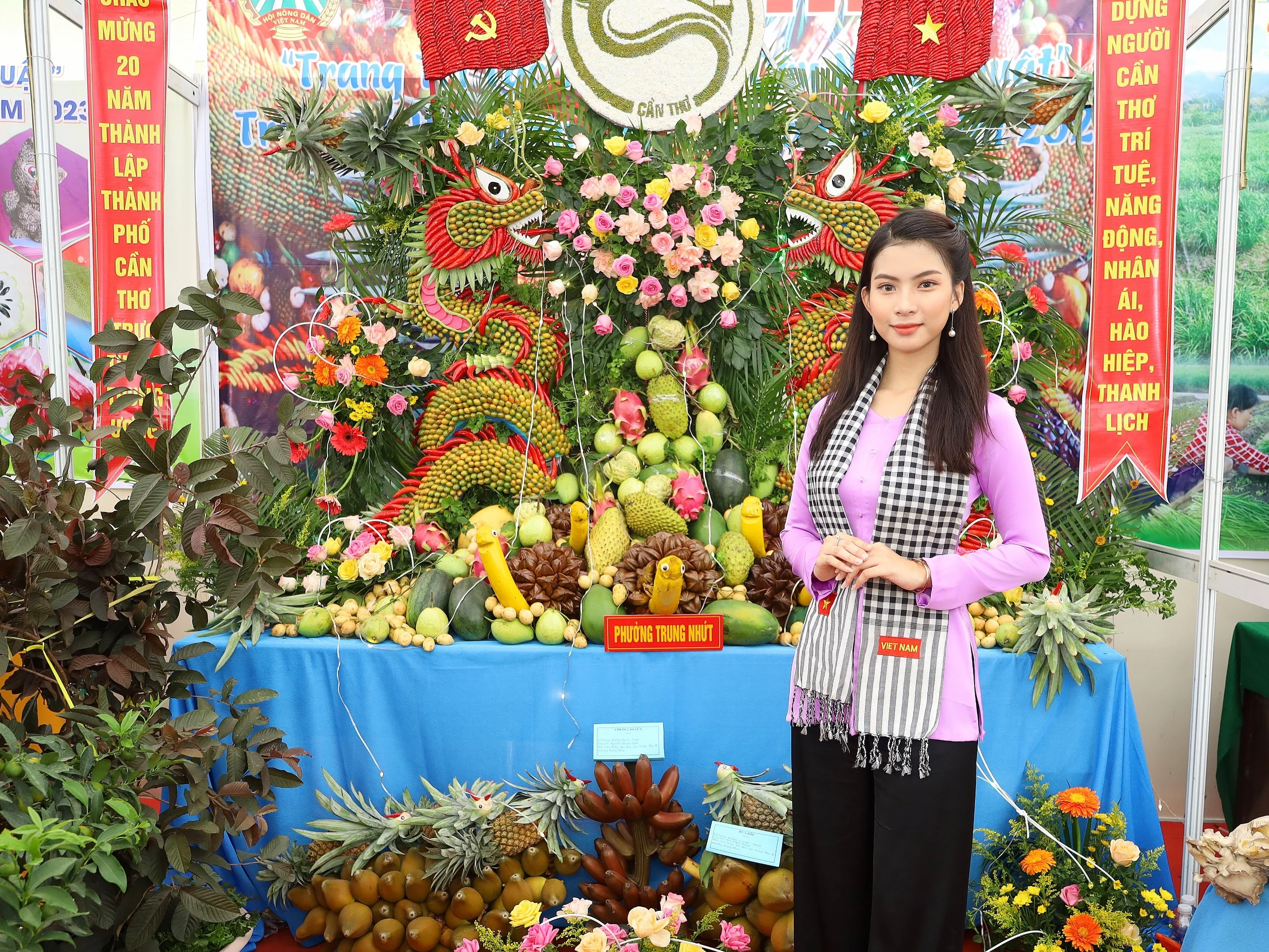
CẦN THƠ — As the summer sun reaches its peak, an alluring, mouth-watering aroma drifts across the waters of the Hậu River. It is the unmistakable, fragrant breeze of honey-sweet mangosteens, vibrant crimson rambutans, and plump, succulent plums. For the residents of Tân Lộc Islet in Cần Thơ’s Thốt Nốt District, this sweet-scented air signals the arrival of their most cherished and bountiful time of year: the peak fruit harvest. For generations, the lives of Tân Lộc’s residents have been shaped by the rise and fall of the river’s tides, creating a fertile relationship that is not just sustaining families today but actively preserving a traditional way of life.
A Rich Harvest Born of the River
Thanks to the rich alluvial soils carried by the Mekong River, Tân Lộc Islet has earned a well-deserved reputation as one of Cần Thơ’s most overflowing fruit baskets, teeming with an extraordinary variety of tropical treasures. When the mid-year season arrives, the island’s lush orchards are heavily laden with branches of glistening, sugar-sweet fruits—a tantalizing showcase of nature’s generosity and the farmers’ meticulous, year-round labor. For local families, this peak season represents far more than just a successful agricultural yield. It acts as a powerful cultural homecoming where relatives return from distant cities and neighbors gather to help one another hand-pick, sort, and share the very best of their delectable orchards.

Source: doanhnghieptiepthi


Source: Msquare.vn
The Peak Celebration: The Case of Đoan Ngọ
To witness this deep cultural connection at its absolute peak, one needs only to look at how the community celebrates Đoan Ngọ, the historic mid-summer festival. This year, the festival falls on June 19, 2026, corresponding to the fifth day of the fifth lunar month. Historically a time when ancient farmers prayed for good health, sought protection against diseases, and offered the first sweet, ripe fruits of summer to their ancestors, this specific day serves as a perfect case study of how agricultural rhythms define local heritage.
On this day, the quiet, green sanctuary of the islet bursts into an incredibly vibrant and appetizing celebration of color, sound, and flavor. Local artisans showcase their creativity by sculpting elaborate figures like traditional dragons entirely out of a colorful cornucopia of freshly plucked, luscious fruits. Nearby, the air is filled with the savory sizzle of bánh xèo and the sweet, inviting steam of traditional folk cakes, prepared by local cooks using closely guarded ancestral recipes. Adding to the sensory richness, the gentle, melodic notes of Đờn ca tài tử float over the water, keeping this UNESCO-recognized intangible cultural heritage alive for the younger generation.


Source: Báo Cần Thơ
Preserving a Green Legacy for the Future
Beyond the bustling celebrations of the peak harvest days, the true heart of the islet lies in the orchards and the stories of the people who tend them. In recent years, many farmers on Tân Lộc Islet have transitioned from traditional wholesale farming to sustainable eco-tourism, opening their garden gates to travelers who wish to experience this tropical wonderland firsthand. Visitors can wander under the cool canopy of century-old mangosteen trees, pluck nectar-sweet rambutans straight from the branch, and savor the irresistible flavors of freshly harvested delicacies while sharing a cup of tea with their warm, hospitable hosts.
This shift has not only boosted the local economy but has also fostered a deep sense of community pride. By sharing their daily lives with tourists, the people of Tân Lộc are actively preserving their agrarian identity, proving that modern progress does not have to come at the cost of heritage. As the sun sets over the Hậu River, casting a golden glow on the loaded boats heading back to the mainland, it becomes clear that the sweet fruit season of Tân Lộc is about much more than agriculture. It remains the lifeblood of a community, a sweet reminder of a rich past, and a sustainable, mouth-watering path forward into the future.

Source: Báo Lao Động

Source: Du Lịch Miền Tây
Discover more from Vietnam Insider
Subscribe to get the latest posts sent to your email.