

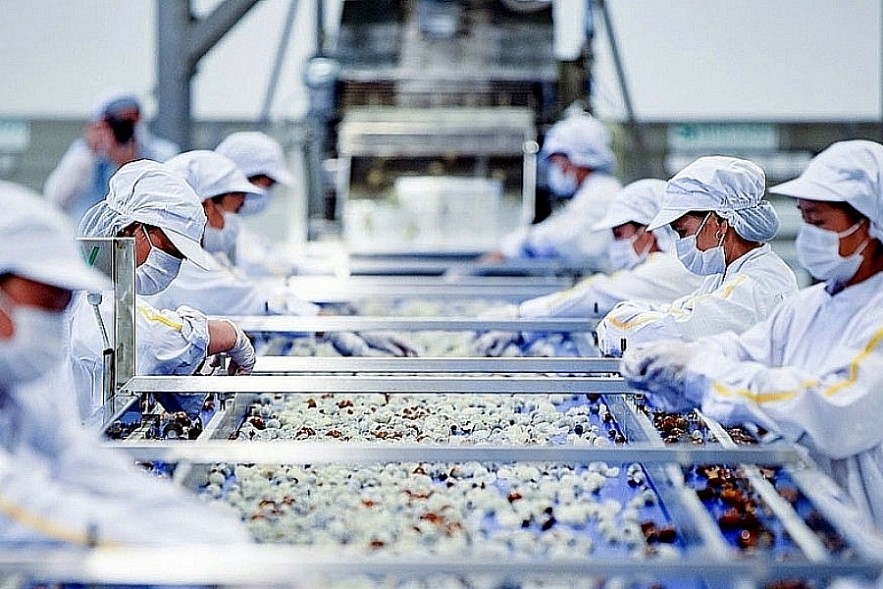
The United States food regulatory landscape is experiencing an unprecedented shift toward aggressive state-level additive scrutiny. Alongside federal standards, individual states are enacting distinct statutes. Consequently, foreign suppliers face a fragmented compliance environment across regional markets.
Divergent State Regulations Create Compliance Hurdles
In California, the Food Safety Act (AB 418) bans the manufacture, distribution, and sale of foods containing four specific substances. These include brominated vegetable oil (BVO), potassium bromate, propylparaben, and Red Dye No. 3. This prohibition takes effect on January 1, 2027. Violating entities face civil penalties of 5,000 USD for initial offenses and up to 10,000 USD for subsequent infractions.

Seafood Exports to US Face Stricter Food Additive Barriers
Texas pursues a contrasting mechanism centered on mandatory warning labels. Under Senate Bill 25 (SB 25), goods containing any of 44 designated additives must display conspicuous package warnings. This watch list features synthetic colorings such as Red 40, Yellow 5, and Yellow 6, alongside preservatives like BHA, BHT, titanium dioxide, and azodicarbonamide. These labeling mandates target packaging manufactured from January 1, 2027. However, the requirement currently faces federal court challenges, necessitating close monitoring before companies finalize costly redesigns.
Meanwhile, Louisiana focuses on mandatory digital transparency through QR codes. Regulated food items will require on-package QR codes directing shoppers to detailed ingredient listings and food safety dossiers. Regulators plan to roll out this system by late 2028. Additionally, the state will ban specific additives from public school meal programs starting in the 2028–2029 academic year.
These varying state initiatives create significant operational hurdles for overseas exporters. One state imposes complete chemical bans, another mandates explicit package warnings, and a third requires electronic disclosures. Therefore, manufacturers must devise tailored compliance roadmaps for each distribution destination.
Potential Impact on Vietnamese Value-Added Seafood
According to the Vietnam Association of Seafood Exporters and Producers (VASEP), the practical fallout depends on processing depth and ingredient composition. Raw and minimally processed frozen products, such as headless shrimp, pangasius fillets, and tuna loins, generally utilize minimal additives and face minimal direct disruption.
Conversely, deep-processed seafood and value-added ready meals face intensive scrutiny. Key items at risk include breaded shrimp, battered fish portions, pre-cooked frozen meal kits, canned seafood packed in sauces, premixed chowders, dipping sauces, and composite foods. The presence of synthetic food colorings, specific preservatives, or compounded seasoning blends could trigger mandatory formula revisions or costly label alterations.

Key export items requiring close scrutiny include breaded seafood, processed frozen meal kits, canned products with rich sauces, seafood chowders, and composite ingredient blends.
VASEP stresses that compliance burdens extend far beyond finding chemical substitutes. When multiple states enforce conflicting mandates, processors must shoulder substantial expenses for laboratory testing, raw material segregation, packaging variations, supply chain traceability, and regionalized logistics.
Operating multiple production runs and distinct inventory codes across different states severely compounds supply chain friction. Furthermore, if additional states pass comparable statutes, maintaining uniform export standards across the American market will become increasingly impractical.
Strategic Recommendations for Exporters
In response, VASEP urges Vietnamese seafood processors shipping to the United States to conduct immediate, comprehensive audits of their recipe portfolios, additive databases, and input materials. Processors must quickly flag ingredients regulated under California, Texas, and Louisiana statutes.
Exporters should coordinate closely with US importers to determine the ultimate destination of every shipment and verify local retail requirements. Industry analysts recommend transitioning toward “clean label” formulations. This approach prioritizes recognizable ingredients, natural food colorings, and widely accepted food additives across major global markets.
Nevertheless, any reformulations must continue to guarantee commercial sterility, taste profiles, and required shelf life. Finally, businesses must monitor the ongoing legal disputes surrounding Texas SB 25 alongside emerging state-level proposals across the nation.
Source: thanhnien.vn
Discover more from Vietnam Insider
Subscribe to get the latest posts sent to your email.