

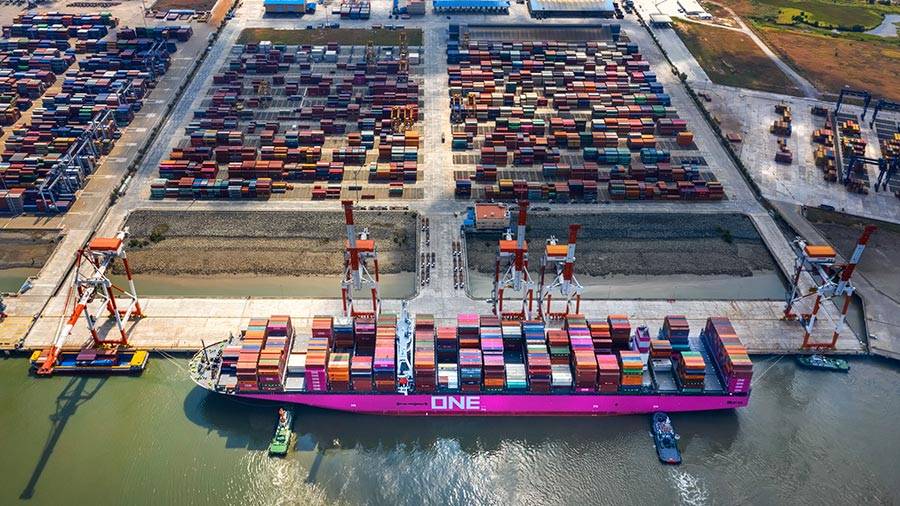
Vietnam’s export sector continued its positive trend, exhibiting a growth of 6.7% in November compared to the same period last year, according to a report by HSBC Bank’s Global Research Department.
The electronics industry emerged as the primary driver of this growth, positioning itself as a bright spot in the country’s economy during the fourth quarter.
Specifically, key contributors to the export surge include computer-related components (up 20.2%) and machinery (up 5%), showing stability and promise. Despite textiles and footwear experiencing stagnation, these gains indicate a positive trajectory, albeit influenced in part by a favorable base effect.
The report highlights the emergence of new export growth potentials in sectors like agriculture, which are displaying robust signs of expansion, contributing to a modest overall improvement by year-end.
However, HSBC advises caution in interpreting the trade outlook due to the persisting challenges in demand from major trading partners. The PMI manufacturing index continued its decline to 47.3 in November, with both output and new orders contracting.
On a positive note, domestic activities serve as a resilient pillar for the economy, with international tourism experiencing a steady recovery. The easing of visa policies since August has played a crucial role in this, leading to a consistent increase in international visitors. November alone saw over 1 million tourists, marking the fifth consecutive month achieving this milestone. With a total of 11.2 million visitors so far, the annual target of 12-13 million visitors for 2023 seems attainable.

Despite the overall positive outlook, challenges persist, especially in the recovery of the Chinese tourist group, which has only reached 30% of 2019 levels. Additionally, competition within ASEAN countries for tourism has intensified, with Malaysia following Thailand in waiving visas for Chinese and Indian tourists.
Addressing inflation, HSBC notes that it remains generally under control. Headline inflation increased by a marginal 0.2% from the previous month, resulting in a softened inflation rate of 3.4% in November compared to the same period last year.
Although domestic rice prices face pressure from rising international prices, declining pork prices have offset this increase. Lower oil prices also contribute to curbing inflation. Notably, medical costs experienced their first increase in four years in November due to changes in national medical service pricing, marking a resurgence of efforts to reform healthcare that were disrupted by the pandemic.
The State Bank of Vietnam observes positive signs, with inflation under control and some stability in the external economic outlook. However, HSBC emphasizes that this doesn’t eliminate the risk of future price increases. Vietnam Electricity raised electricity prices by 4.5% in November, addressing a decline in hydropower output linked to the El Niño phenomenon. Despite potential upside risks, such as food and energy prices, HSBC anticipates the monetary authority to maintain the policy rate at 4.5% throughout 2024.
Discover more from Vietnam Insider
Subscribe to get the latest posts sent to your email.