

Mr. Tran Van Duc is a 41-year-old father in Hanoi. He manages three children aged 6, 12, and 14. Every summer, screen time creates a major headache for his family. While parents work, his eldest daughter spends all day on her phone. She posts TikTok videos and obsessively tracks likes. Conversely, studies show social media also offers real benefits. It helps isolated children maintain friendships and stay connected with relatives.
Expert Perspectives on Child Safety
Dr. Tran Thi Hong Thu is a former psychiatric hospital director in Hanoi. She believes restricting public posting and commenting offers clear benefits. Specifically, it reduces impulsive behavior and protects personal data. It also eases the pressure to chase likes. Furthermore, it prevents the spread of harmful user-generated content.

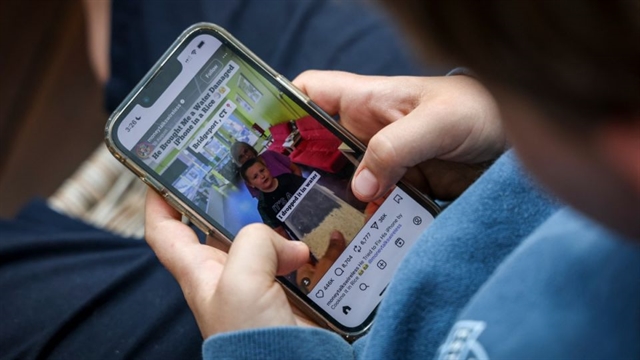
A young user interacts with content on a social media platform. Photo: Trong Dat/VnExpress
However, Dr. Thu emphasizes that restricting interaction does not guarantee total safety. A 7-year-old child and a 15-year-old teenager require different management frameworks. Their cognitive abilities and developmental needs vary greatly.
In addition, algorithms can still expose children to violent or toxic content. A strict ban might drive minors to fake their age. Alternatively, they might borrow adult accounts or move to unmonitored platforms. Completely blocking interactions also destroys positive social connections. For bullied youth, online support channels often act as a crucial lifeline.
Legal and Children’s Rights Concerns
Ms. Nguyen Thi Le Thuy is a child psychology expert. She urges authorities to reconsider the proposed ban carefully. She warns that it may conflict with international standards and domestic laws. Specifically, it touches upon the UN Convention on the Rights of the Child and Vietnam’s 2016 Law on Children.
Both legal frameworks guarantee children the right to access information. They also protect the right to express opinions and join social life. Today, online communication forms an integral part of modern education. Therefore, a complete restriction on interactions remains highly impractical. Society should focus on teaching digital literacy instead of enforcing outright bans. Children need practical skills to identify risks and combat cyberbullying.
A Youth Perspective from a Student Leader
Bui Nguyen Gia Bao is a 13-year-old student in Hanoi. He regularly posts content on his Facebook page. As a child actor, he uses social media to connect with fans. He also spreads a positive learning mindset. His mother approves every post before he publishes it.
Gia Bao also serves as a youth student leader. Consequently, he manages many personal connections independently. When issues arise online, his parents guide him to resolve them responsibly.

Bui Nguyen Gia Bao performs in a program at the Hanoi College of Art on July 25. Photo provided by family
Gia Bao views social media as a essential second world for youth. It helps young people learn and build meaningful connections. He warns that strict interaction limits will trigger rebellious behavior. Children will simply falsify their age or create fake accounts. As a result, monitoring will become harder for parents and schools.
Furthermore, he feels the proposal limits young people’s right to express views and showcase creativity. Instead of strict bans, he suggests creating engaging educational programs. These activities help children learn self-protection skills while enjoying their digital experience.
Discover more from Vietnam Insider
Subscribe to get the latest posts sent to your email.