

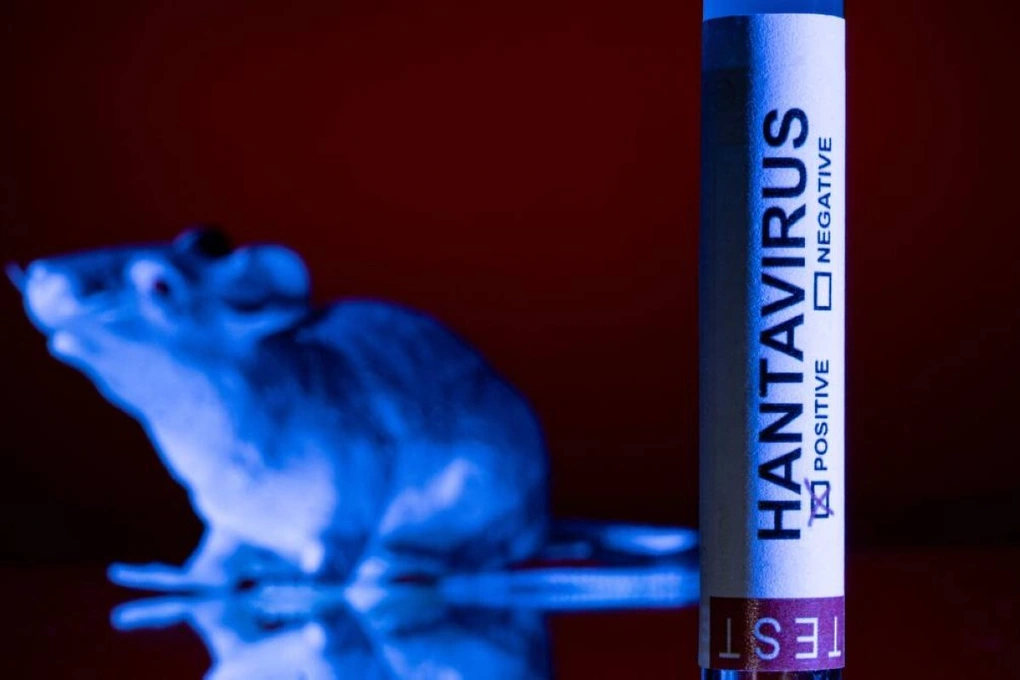
WHO confirms three deaths linked to Andes hantavirus cluster aboard expedition vessel as Vietnam steps up monitoring.
MARKET INSIDER – A deadly outbreak linked to the rare Andes hantavirus aboard an international cruise ship is drawing fresh global attention to zoonotic diseases, maritime health security, and the risks of virus transmission in confined travel environments — even as experts stress the situation is far from another Covid-19 scenario.
According to the World Health Organization, 11 suspected and confirmed hantavirus cases have now been identified aboard the expedition cruise vessel MV Hondius, including three fatalities. At least nine infections have been linked to the Andes virus strain (ANDV), a rare subtype primarily associated with South America and one of the few hantaviruses known to spread between humans under limited conditions.
The outbreak has triggered heightened epidemiological monitoring across multiple countries, including Vietnam, where health authorities say no related cases have been detected so far. Vietnam’s Ministry of Health emphasized that while hantavirus surveillance is not new to the country, no Andes strain infections have ever been recorded domestically.
Unlike Covid-19, which spreads efficiently through airborne transmission, WHO says hantavirus transmission requires prolonged close contact or exposure to infected rodents and their waste. Investigators currently believe the first infected passenger may have contracted the virus during outdoor tourism activities involving rodent exposure before boarding the ship. Limited person-to-person transmission may then have occurred during the voyage through extended close contact among passengers or crew.
The incident highlights a growing challenge facing the global tourism and cruise industries: how to manage emerging infectious disease risks in highly mobile international travel networks. Expedition cruises, eco-tourism, and remote adventure travel have surged in popularity since the pandemic, bringing more travelers into direct contact with wildlife habitats and disease vectors previously considered geographically isolated.
Vietnamese authorities have moved quickly to tighten surveillance at border checkpoints, hospitals, and transport hubs while increasing rodent control and sanitation measures. Officials have also urged the public not to panic or spread speculation about food, water, or shipborne contamination before WHO completes its investigation. Previous studies in Vietnam detected other hantavirus strains such as Seoul virus in rodents, but no evidence suggests widespread human transmission risk inside the country.
WHO currently classifies the outbreak’s global public health risk as “low,” though passengers and crew linked to the vessel are being advised to monitor symptoms for up to 42 days. Early warning signs include fever, muscle pain, dizziness, nausea, abdominal pain, coughing, and breathing difficulties.
The broader question for governments and investors may no longer be whether another pandemic-scale event is imminent, but whether global tourism systems are adequately prepared for a future defined by localized but high-impact zoonotic outbreaks. In an era of climate change, ecological disruption, and booming adventure tourism, even remote pathogens can suddenly become international headlines.
Discover more from Vietnam Insider
Subscribe to get the latest posts sent to your email.