

Hanoi set to turn sharply colder from December 3 as a powerful northeast monsoon hits, bringing heavy rain, mountain frost risk, and dangerous marine conditions across the region.
Northern Vietnam is preparing for one of the season’s strongest cold-air outbreaks, a weather shift that will send temperatures plunging, intensify monsoon winds, and trigger several days of widespread rainfall. The event underscores how increasingly volatile winter patterns are reshaping climate risks across Southeast Asia — from urban cold stress to agricultural damage and maritime hazards.
According to the National Center for Hydro-Meteorological Forecasting (NCHMF), a major cold front is moving rapidly southward from China and is expected to reach Vietnam early December 3. By dawn, the surge will sweep into the Northeast, North Central, and parts of the Northwest, before spreading across the entire northern highlands and parts of Central Vietnam.
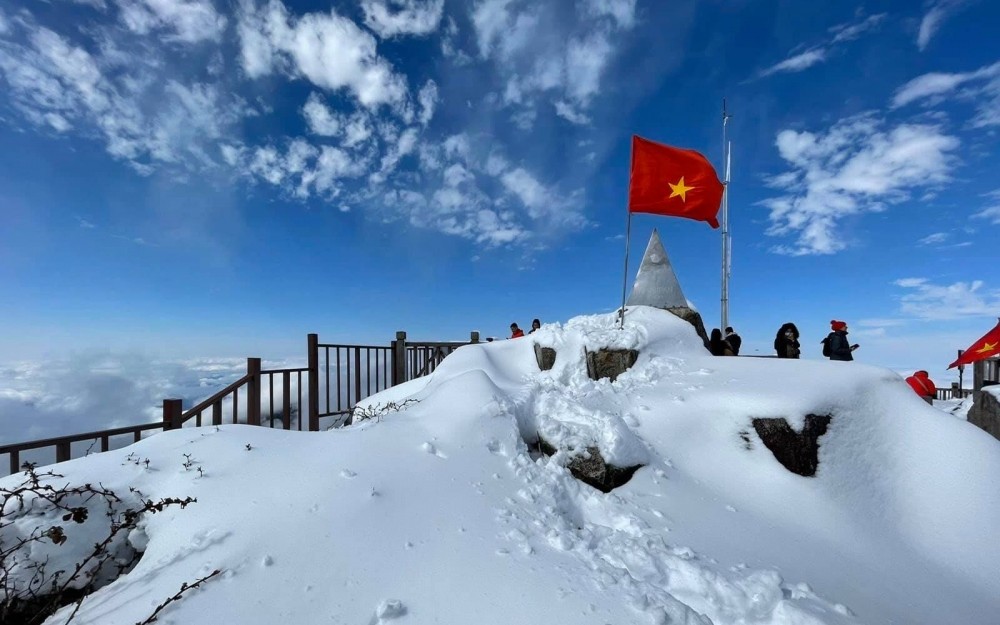
From the night of December 3, the North and North Central Coast will turn cold throughout the day, with low temperatures of 15–18°C in lowland areas. Mountain zones will fall to 13–15°C, and high-elevation regions — such as Sa Pa, Mau Son, and Ha Giang’s peaks — may dip below 11°C, marking some of the coldest readings so far this winter. Hanoi will feel a clear temperature drop on the night of December 3, with lows hovering between 15–18°C.
At sea, the northeast monsoon will strengthen significantly. In the Gulf of Tonkin, winds will reach Force 6–7, with gusts up to Force 8, generating waves of 2–4 meters and hazardous conditions for fishing vessels. Northern areas of the East Sea (South China Sea) will see even stronger winds of Force 6–7, gusting 8–9, and waves up to 5 meters. By afternoon, rough seas will extend southward toward waters off Quang Tri–Thua Thien Hue and northern sections of the central East Sea.
The cold surge will also coincide with remnants of Typhoon 15, whose weakened low-pressure system and upper-level easterly disturbances will produce moderate to heavy rainfall from December 2 to 5. Areas most affected include Quang Tri to Da Nang, the eastern districts from Quang Ngai to Dak Lak, and parts of Khanh Hoa.
Forecasters warn that the combination of cold, rain, and strong winds could impact livestock, crops, and transportation, while increasing the risks of flash floods, landslides, and urban inundation in vulnerable mountain and low-lying regions. At sea, large waves and high winds pose significant dangers to nearshore and offshore vessels.
As Vietnam heads deeper into winter, the approaching cold surge is a reminder of the shifting monsoon dynamics affecting the region — and the growing need for climate preparedness across agriculture, infrastructure, and coastal communities.
Discover more from Vietnam Insider
Subscribe to get the latest posts sent to your email.